6 Benefits of Aeration and Overseeding for Your Indiana Lawn
~6 mins
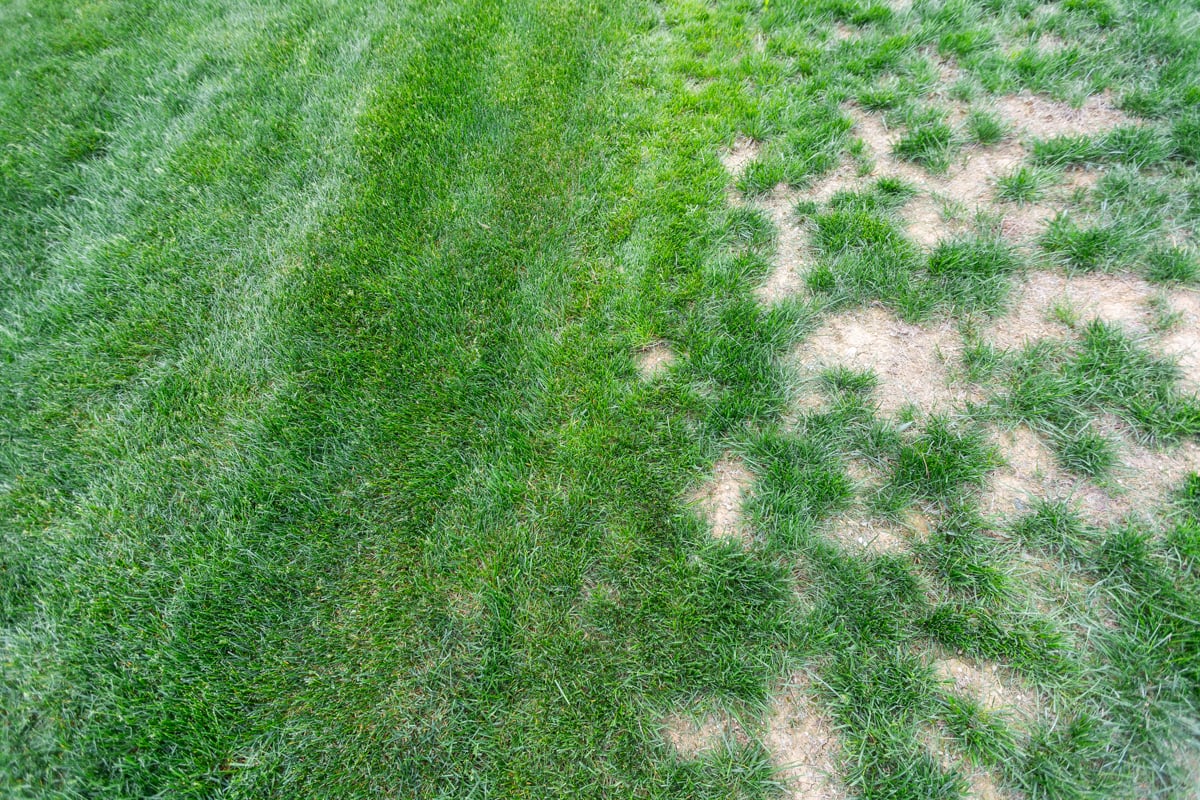
Do bare spots, thin areas, and weeds creeping in have you frustrated? Unfortunately, the heavy clay soil here in Indiana is highly prone to compaction. And compacted lawn soil leads to bare spots, thin areas, and opportunistic weeds taking advantage of the situation.
You might be doing all the right things for your lawn like fertilizing, treating weeds, watering, and mowing. But if you aren’t investing in core aeration, then your compacted clay soil isn’t going to budge. In fact, your fertilizer, weed control products, and even water might not be reaching the root zone like it should be if the soil remains compacted.
In this guide, we’ll share everything that there is to know about lawn aeration and overseeding in Indiana. If you’re going to invest in a service like this, you want to make sure that you’re maximizing the potential.
Jump To:
What Is Core Aeration and Why Does Your Lawn Need It?
What Is Overseeding and How Does It Help Thin Grass?
Why Aeration and Overseeding Work Better Together
When Is the Best Time to Aerate and Overseed in Indiana
Core Aeration vs. Liquid Aeration: Which Is Better for Your Lawn?
How to Prepare for Aeration and Overseeding and What to Do Afterward
DIY vs. Professional Aeration and Overseeding: What Homeowners Should Know
Lawn Aeration and Overseeding FAQs
How Shades of Green Helps Lafayette, IN Lawns Grow Thicker and Healthier
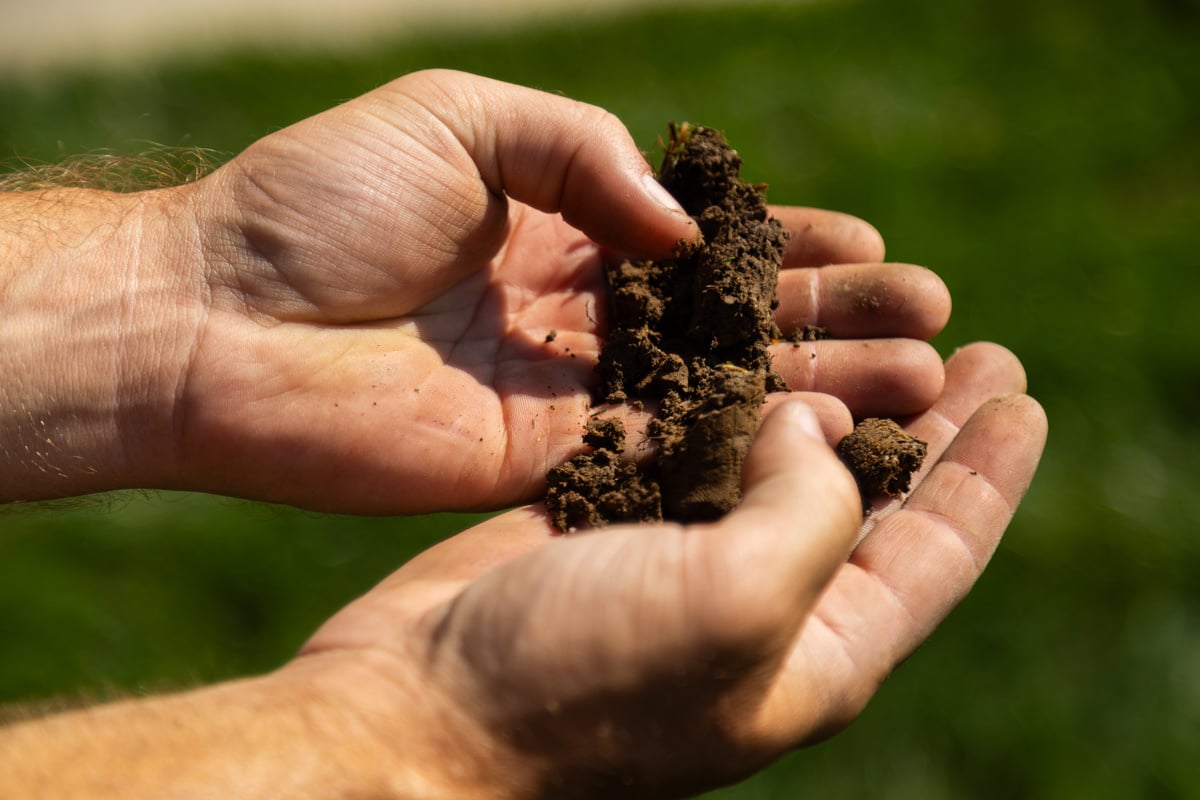
Soil compaction is at the heart of a lot of lawn problems. And as we mentioned, the heavy clay soils found here in Indiana are naturally prone to become compacted. That’s because clay particles are already extremely small and packed close together.
It doesn’t take long for everyday use to push those particles even closer together, which makes for poor growing conditions for your grass.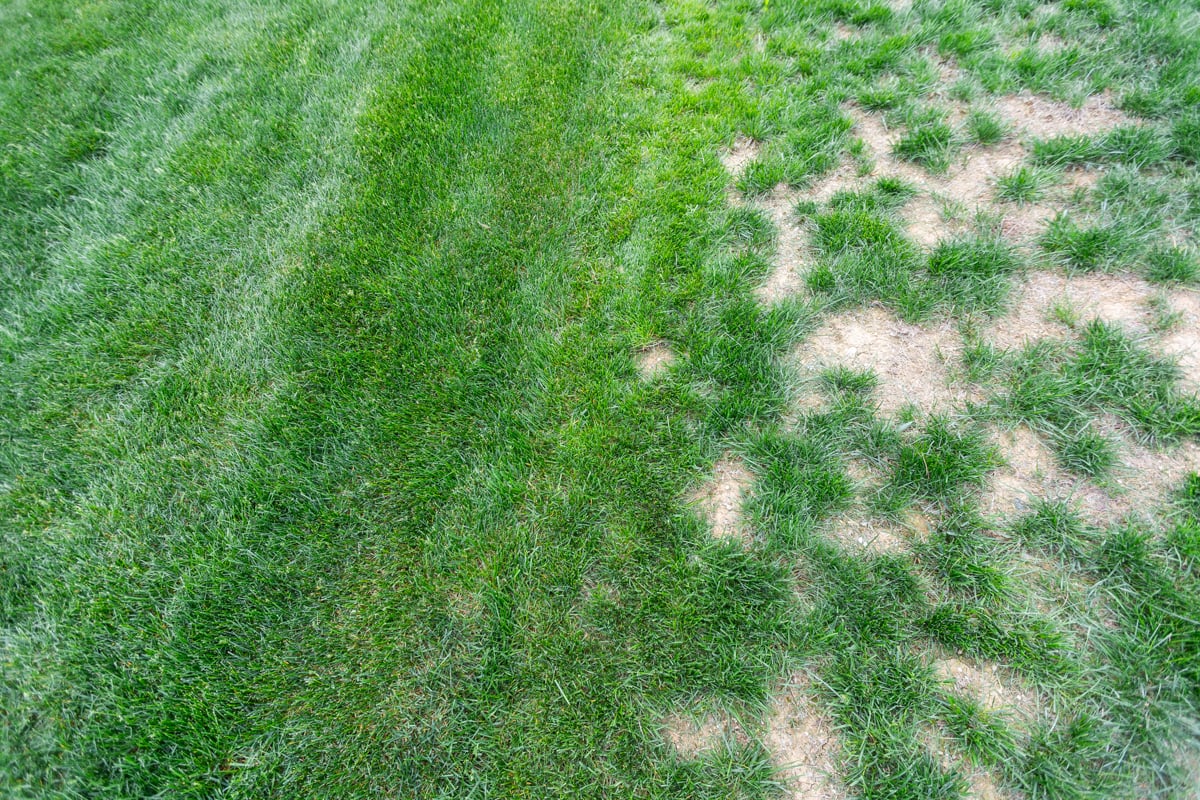
When soil is loose and full of air pockets, water, nutrients, and oxygen can reach the grass roots where they’re needed most. But when the soil becomes densely packed, squeezing out those critical air pockets and making it difficult for your lawn to breathe, take in water, and grow.
This can lead to a number of problems, including:
The answer to all of these issues is mechanical core aeration.
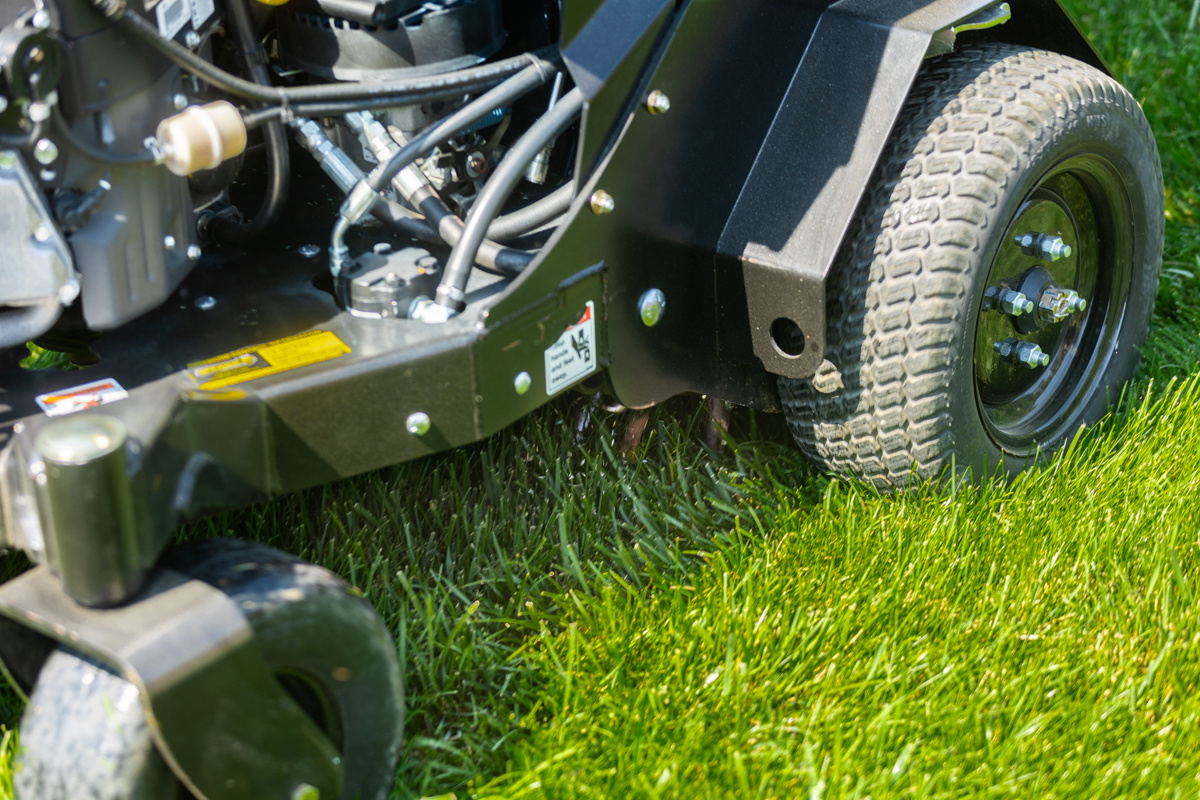
During core aeration, small holes are punched into your lawn, creating what we call aeration plugs. These are tiny soil cores that are pulled up and left on the surface to naturally break down.
These little plugs might look a bit funny at first, but they are doing big work. By loosening the soil, aeration helps roots grow deeper, improves water absorption, and gives your grass the nutrients it needs to thrive. It’s one of the easiest ways to give your lawn a serious health boost. Core lawn aeration also sets the stage for successful overseeding, which means a thicker and greener yard.
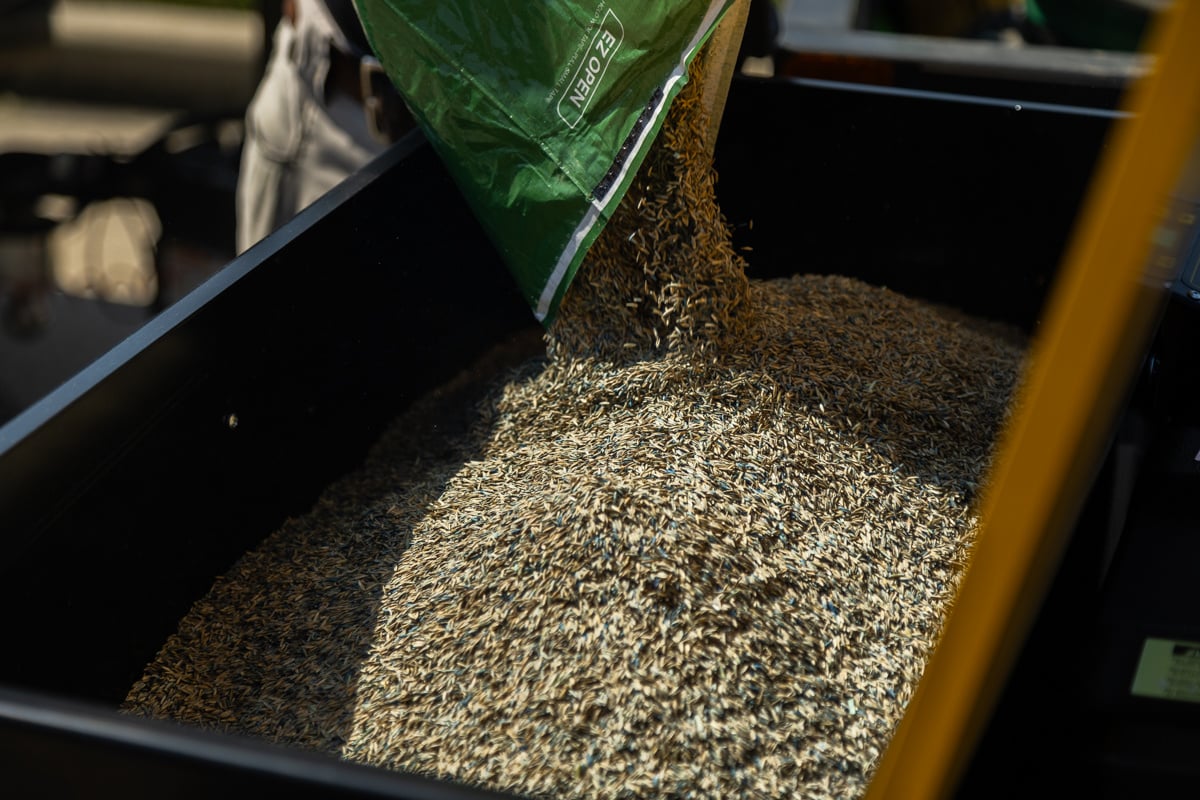
Lawn overseeding is simply the process of spreading new grass seed directly over your existing lawn. It is a straightforward, science-backed method to help fill in thin areas, improve the overall thickness of your turf, and introduce new, more resilient grass varieties into your lawn.
The idea behind lawn overseeding is simple: even a healthy lawn gets tired. Grass doesn’t stay a young, healthy plant forever, and over time, all lawns can become thin, patchy, and prone to diseases and weeds. While grasses have their own way of spreading and growing new versions of themselves, it can’t always keep up with the speed of other struggles your lawn faces. Overseeding helps to fill in during these stretches.
In addition, it also presents an opportunity to introduce new-and-improved grass species into the lawn. Science has allowed grass seed to frequently evolve and improve and today’s seed is more disease-resistant and resilient than grass types before it. By overseeding the turf with these improved species, you build the overall resilience of your lawn as a whole.
Not sure if your lawn needs overseeding? Here are a few signs to look for:
Overseeding is commonly paired with core aeration for good reason. Aeration removes small plugs of soil from the lawn, creating pockets where seeds can settle in and make direct contact with the soil, which is crucial for seed germination.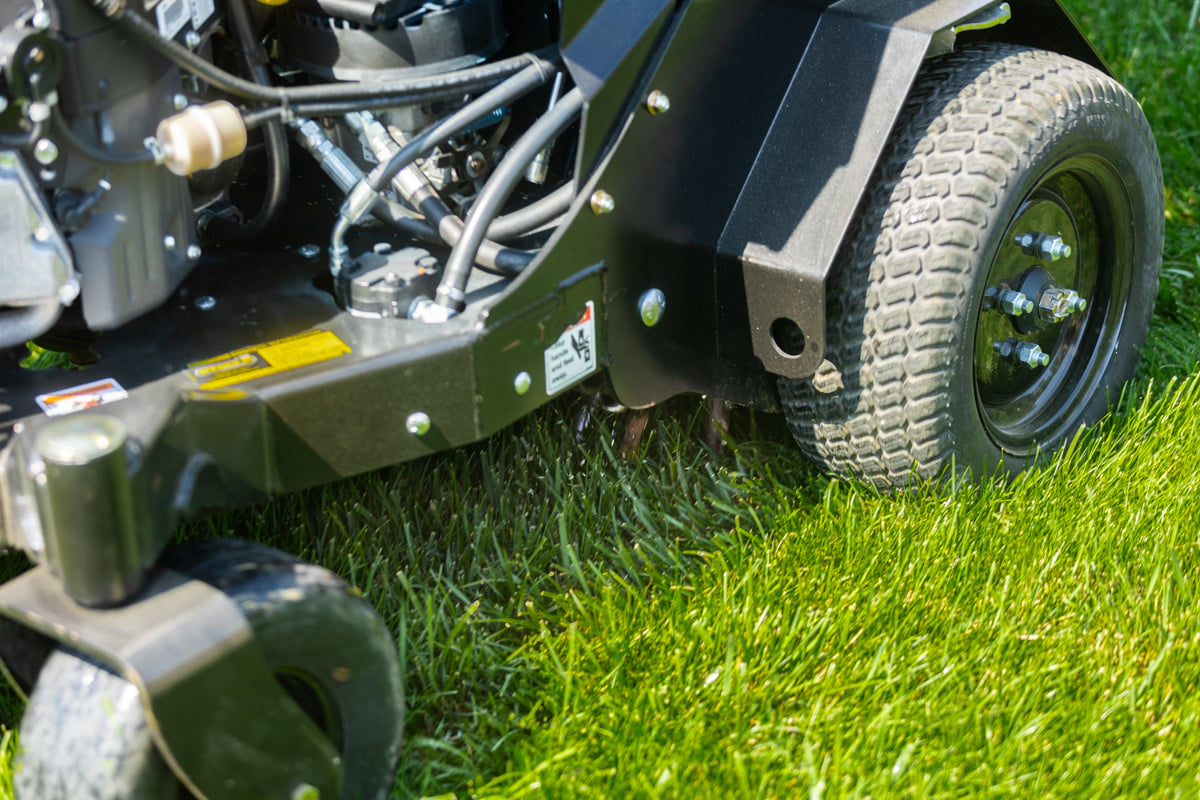
Because aeration also reduces soil compaction, it makes it easier for roots to grow deeper and stronger. Overseeding in Indiana clay soil without aerating could mean that the seeds just sit atop the hard soil and dry out…or become expensive bird food! You want to make sure that those seeds are finding their way down deeper into the soil so that they can actually start to grow.
All of this can mean better results. A thick lawn not only looks better, but it also naturally crowds out weeds, holds moisture better, and resists disease more effectively.

Understanding the best time to aerate and overseed in Indiana can help you to get optimal results.
Because of how common it is for lawns to become compacted, we actually like to aerate twice a year, in the spring and the fall. If you’re someone who is looking for the best-possible results and want to do everything you can for your lawn, then we’d recommend bi-annual lawn aeration.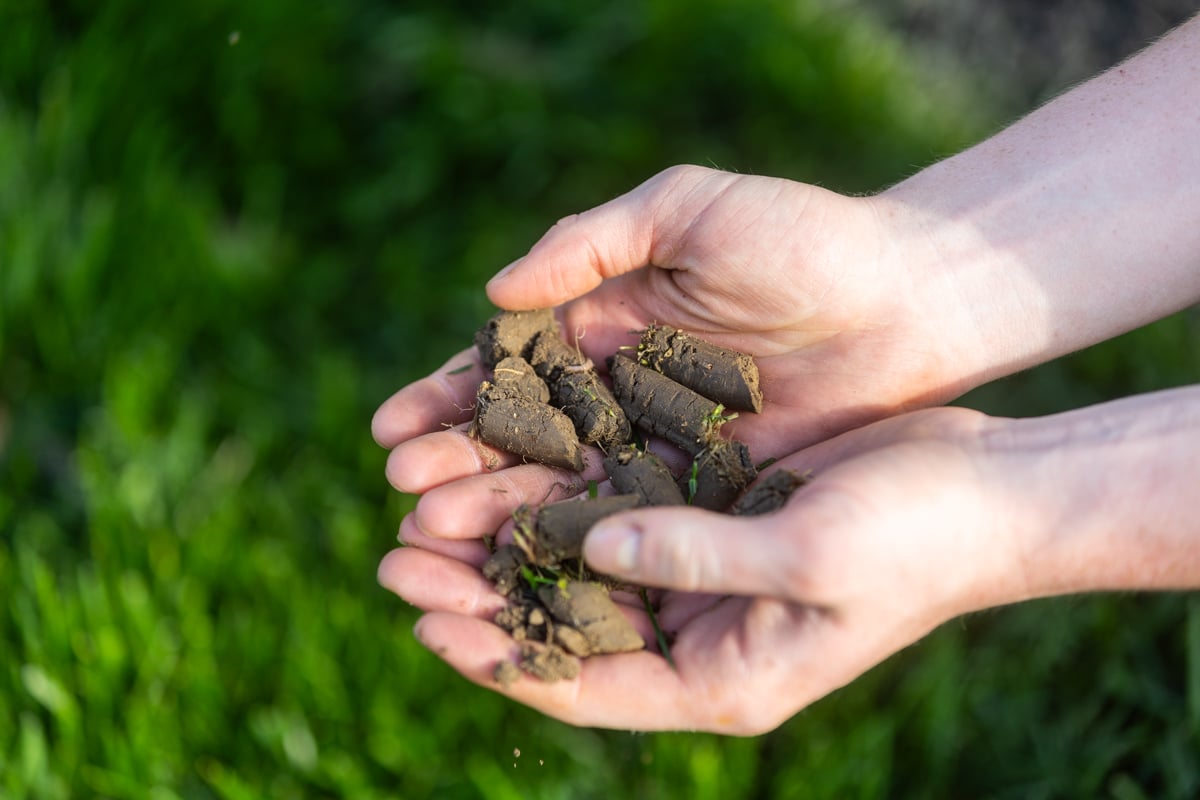
However, if you choose to only aerate once per year, then the best time to aerate a lawn in Indiana would be the fall.
When you aerate in the fall, you can also pair the service with lawn overseeding.
The fall is by far the best time for seeding as it has optimal weather conditions. The soil is still warm but the air is cooling down a bit. It’s also not on the cusp of summer, which is the hardest time of the year for lawns.
When homeowners seed in the spring, their new grass hardly has any time to grow and establish itself before having to face the brutal conditions that accompany summer. The intense heat coupled with decreased rainfall can take a toll on even the most established lawns, let alone brand-new grass sprouts.
While there are sometimes special circumstances for spring overseeding in Indiana, it’s something that we almost always advise against. It’s simply not going to deliver the results that you desire. It also makes it tricky to apply products for crabgrass control as this could also prevent your new grass from germinating.
There are two ways to aerate your lawn: Mechanical core aeration (which is what we’ve talked about so far) and liquid aeration, which involves the use of liquid products applied to the lawn to improve soil health.
While we know a lot of people think they should use one or the other, this is not an “either-or situation.” We highly recommend that homeowners invest in BOTH core aeration and liquid aeration if they truly care about getting the best results. That’s because these two services actually work hand-in-hand to deliver superior soil health.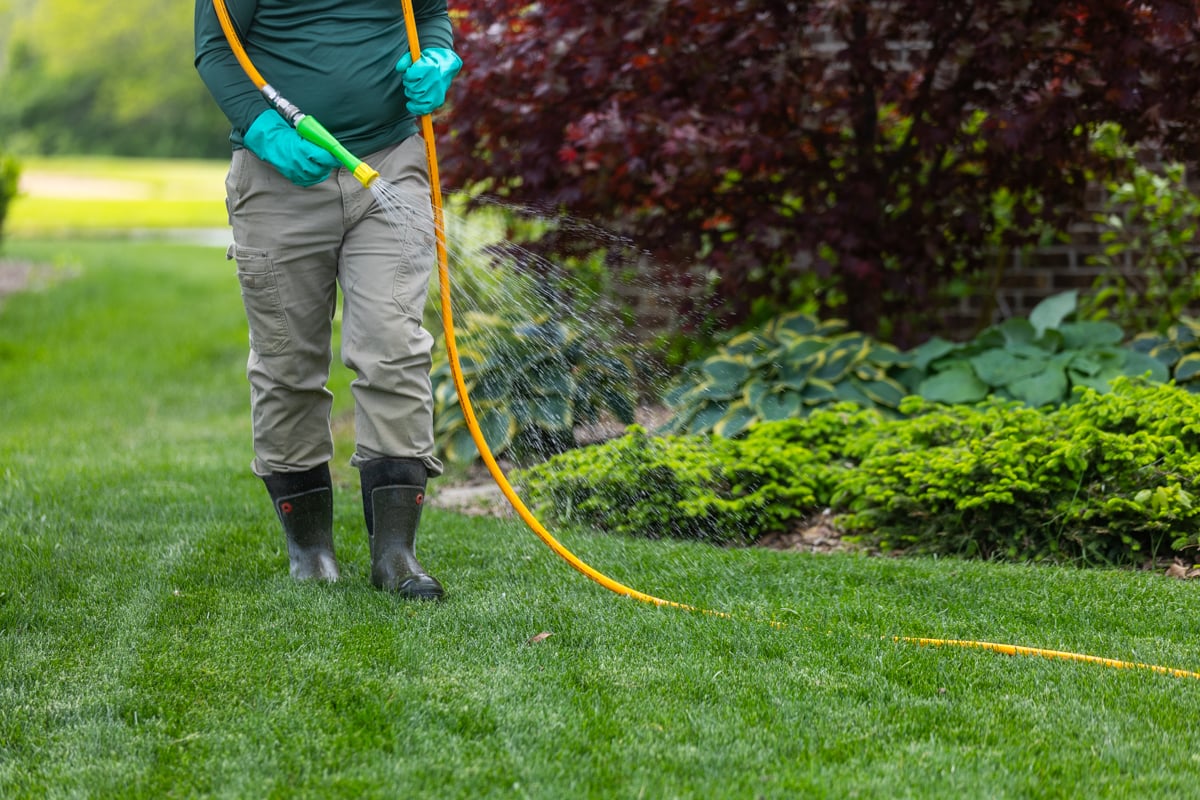
At Shades of Green, we call our liquid aeration service “Soil Builder,” because that’s exactly what this service does: it builds soil health.
Think of this as a probiotic smoothie for your lawn. Just like your body thrives when your gut is full of good stuff (shoutout to kombucha and Greek yogurt), your lawn needs beneficial bacteria and fungi to stay healthy and strong.
And that’s exactly what we’re delivering during liquid aeration applications.
We mix up a proprietary cocktail designed to rehab tired, compacted, sad-soil lawns and turn them into thriving green machines. This blend then immediately gets to work. It boosts microbial activity, which helps break down thatch layers and old clippings over time, warms up the soil, and even releases nitrogen naturally as things decompose. That means greener grass, stronger roots, and less buildup of that annoying layer that makes your lawn feel like a sponge.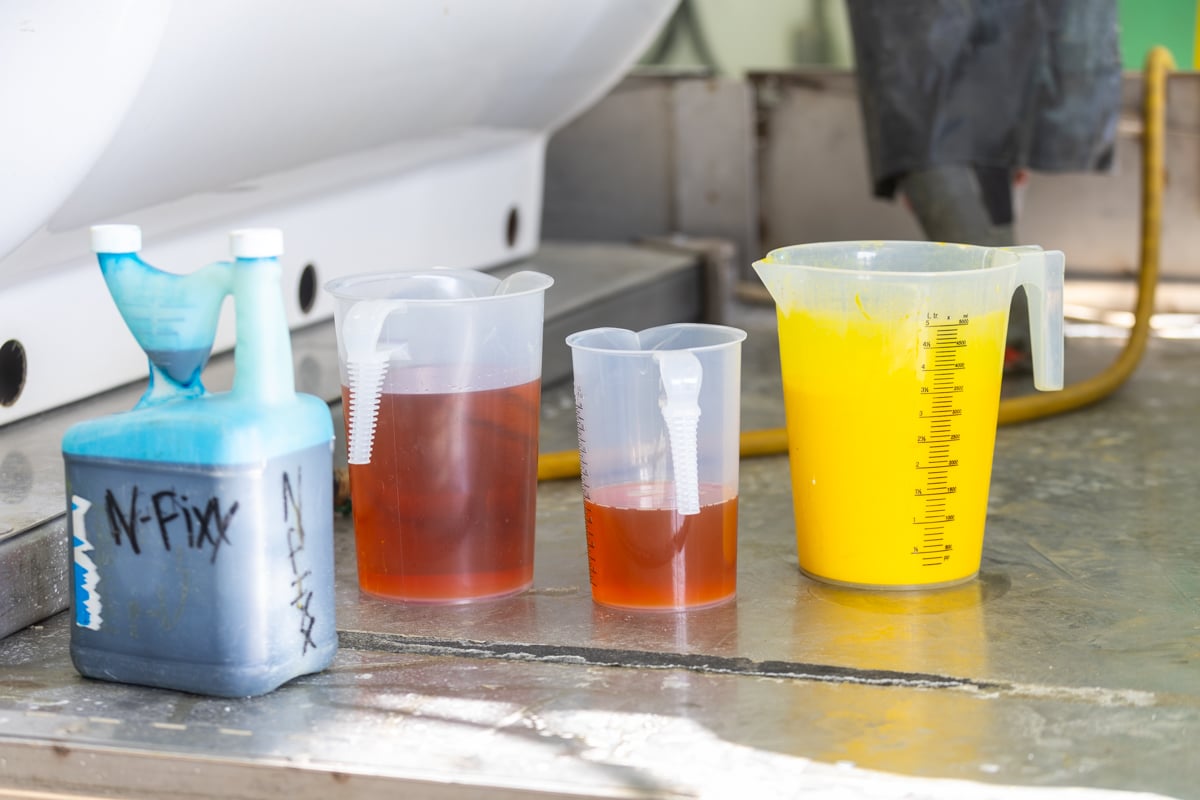
One of the coolest parts? This microbial party even helps with weed control. It doesn’t mess with any products you are already using – it enhances them. Our fungi form these awesome relationships with your lawn’s root hairs (called mycorrhizae, if you want to impress your friends), pulling in nutrients and trading with the plant like old pals. It’s basically lawn symbiosis at its finest.
Seeing how these two services work in very different but very complementary ways, it really does make sense to use them together. Core aeration helps open up the soil and relieve compaction, while liquid aeration builds up the microbial life your lawn needs to thrive. One creates space, the other fills it with the good stuff.
And let’s be honest, if you’ve been fertilizing and still not getting the results you want, your soil might just not be ready to receive it. Compacted, tired soil can block nutrients from ever reaching the roots. But loosen things up with core aeration, and then come in with liquid aeration for a lawn gut boost, and suddenly you’re finally getting the results you’ve been seeking.
You get the quick visual boost and the long-term health benefits.
If you decide that you are going to invest in lawn aeration, you want to make sure that you’re getting the most out of it on both the front and back end.
A little preparation can go a long way if you’re going to have your lawn aerated. Here are a couple of things to keep in mind.
Start by mowing your lawn to your normal height or only a slight bit shorter, up to a ½ inch less than usual. This helps the aerator tines reach the soil more effectively without stressing your grass.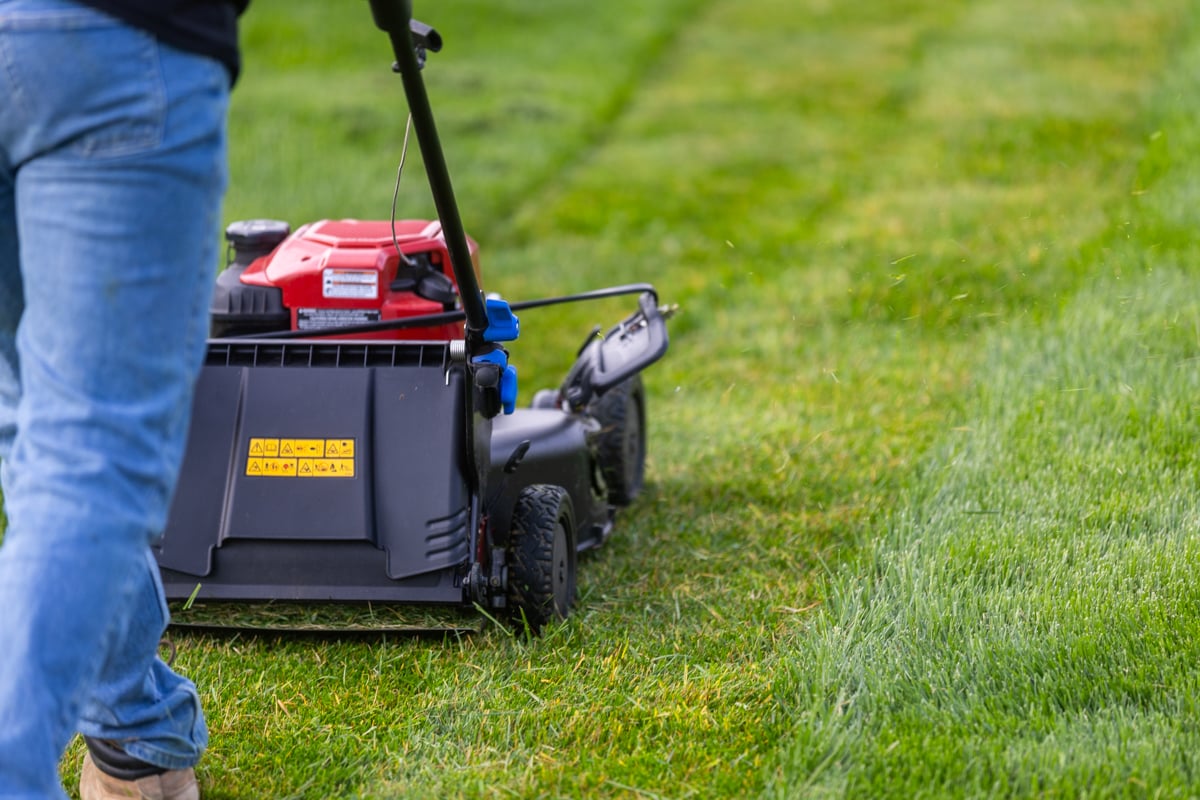
Once your lawn is aerated and seeded, leaving your lawn a bit longer gives your new grass a bit of shade and cover during the first week. The grass works like a little protective blanket, helping your lawn retain moisture, keep the seeds from drying out, and giving roots a cozy start. After that first week, your grass can soak up the sun and start showing off the lush green growth.
It also helps to have yard items up and off the lawn. If you have a lot of children’s toys or dog toys in the yard, they could be run over by the aerator. It’s helpful to do a quick clean up before getting started with core aeration.
The same goes for leaves and debris. If you’re overseeding a lawn as well, you don’t want the seed to end up on top of leaves and yard debris. Mowing your lawn often takes care of leaves, but larger debris might need a manual pickup.
Caring for your lawn after an aeration service is relatively simple but following a few important guidelines will help ensure you get the most out of your results.
Watering will be one of the most important after care steps you take. Keeping your seeds and aeration plugs moist is key to strong root growth. If you only aerate, you don’t need to take care when watering after aeration. If you aerate and overseed (which you should), watering is extremely important.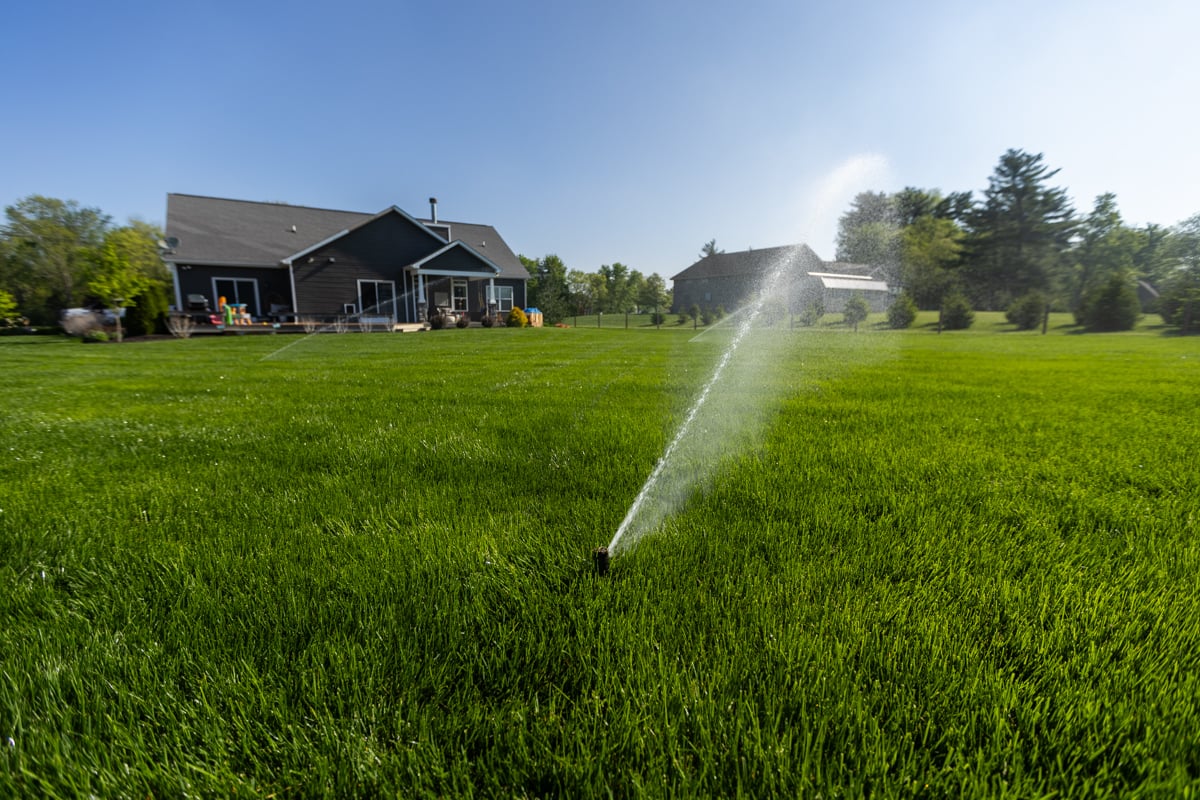
In the first week, aim to water lightly but frequently. The soil should be damp, but not flooded, so as not to wash away the seeds. After the first week, you can start to taper off to longer, deeper watering sessions. This helps to encourage roots to grow downward and establish themselves.
Timing is everything when it comes to fertilizing after aeration. Begin with a starter fertilizer at the time of seeding, which is rich in phosphorus. Phosphorus doesn’t move much in the soil, so getting it directly to the roots while your lawn is already ‘opened up’ is critical. About three weeks later, it is time to apply a balanced fertilizer. As the temperatures begin to cool, this fertilizer will continue to release nutrients and help your grass fill in.
Hold off on mowing right away. About a week after aeration and seeding, you can knock the grass down another inch or so. Make sure that your mower blades are sharp so that they don’t tear the grass. After the first cut, keep mowing as needed, gradually bringing your lawn back to its normal height.
Due to our heavy clays and compacted lawn soil, aerating in Indiana is basically a non-negotiable. If you care about having a beautiful and healthy lawn, it’s going to be nearly impossible to achieve it without investing in this service.
But does that really mean you have to hire a pro? We know that some homeowners might weigh the options of choosing DIY vs professional aeration.
While it’s certainly true that you can rent an aerator and perform this service on your own, it’s at least important to fully comprehend what’s involved. Here are a few important considerations that are sometimes overlooked.
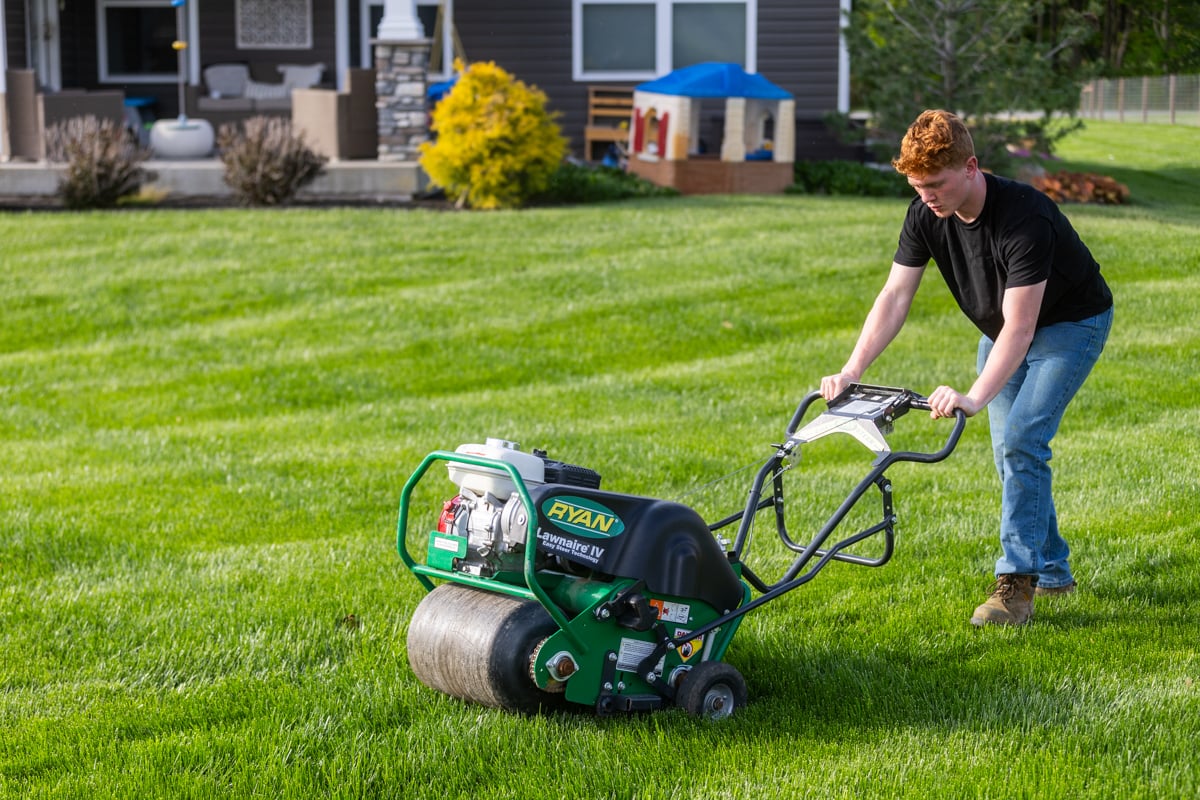
It’s not like DIY lawn aeration is free. When homeowners start to add up the costs, time, and hassles involved, they start to see the value of going pro.
The biggest benefit of lawn aeration is that it helps to alleviate lawn soil compaction. This allows your lawn to grow stronger and healthier roots, which is highly beneficial to your lawn health as a whole. Aeration also helps to reduce thatch. Meanwhile, overseeding introduces new grass, filling in bare spots and thin areas.
Because of how common it is for lawns to become compacted, we actually like to aerate twice a year, in the spring and the fall. If you’re someone who is looking for the best-possible results and want to do everything you can for your lawn, then we’d recommend bi-annual lawn aeration services.
Overseeding is best done in the fall. This is a time when the weather is optimal for new germination. The air is starting to cool down but the ground is still warm.
If your lawn is in rough shape, you’ll probably want to choose the AO-2 or AO-3 service. A lot of the time, lawns aren’t in as bad a shape as homeowners think they are. But if you truly need an overhaul, you’ll want to lean toward AO-3, which is as close as you can get to a total lawn renovation.
There’s no question that services like lawn fertilization are vitally important to your lawn’s health. When you fertilize the lawn, you supply it with important nutrients. But the problem is, when you fertilize a compacted lawn, the fertilizer isn’t doing everything that it can. In fact, compacted soil can significantly reduce the effectiveness of fertilization, even when it’s applied properly and at the proper rate. If the fertilizer product can’t penetrate the compacted soil, it’s not going to do you much good.
The before and after care of your lawn is important. Prior to an aeration service, mow your lawn to your normal height or only a slight bit shorter, up to a ½ inch less than usual. This helps the aeration plugs reach the soil more effectively without stressing your grass. We also advise picking up any items or debris on your lawn before an aeration service is performed.
After core aeration, proper watering is key. Keeping your seeds and aeration plugs moist is critical to strong root growth. In the first week, aim to water lightly but frequently. The soil should be damp, but not flooded, so as not to wash away the seeds. After the first week, you can start to taper off to longer, deeper watering sessions. This helps to encourage roots to grow downward and establish themselves.
Aeration and overseeding can work wonders for your lawn, but only if they are done right. Between calculating seed math, picking the right blend, and trying to figure out a good watering schedule, there is a lot of room for DIY stress and mistakes.
The good news is you don’t have to juggle all of that yourself. With Shades of Green, you get a team that knows the science, the timing, and the tricks to make your lawn thrive. We handle everything from choosing the right seed to monitoring for issues, so you don’t have to worry if you are doing it right.
We also have more than one lawn aeration option so that you can choose what is right for you and your lawn. Not only do we offer Soil Builder (our liquid aeration service), but we also have three levels of core aeration.
Internally, we code these three packages as AO (Aeration Overseed) 1, 2, or 3. Which option might be right for you?
Ready to see your lawn thrive like never before? Get started today by filling out our contact form. We provide lawn care services in Lafayette, IN, along with Carmel, Noblesville, & Westfield.
Envision a Brighter Future for Your Lawn

Cory is the heart and soul of Shades of Green. His dedication to doing right for our customers has been the driving force behind the company's success. With a degree in Turf Science from Purdue University, Cory continually strives to craft the best treatment plans using the latest technologies and innovative products, ensuring top-notch results for every client.