Before and After: 6 Lawn Aeration and Overseeding Care Tips

~4 mins
Homeowners are sometimes surprised when we tell them that core aeration is one of the most important lawn care services that they can have performed. It’s one of those services that can truly make the difference between an average lawn and one that is thriving.
While services like lawn fertilization are also vitally important, this works even better when the turf is well-aerated.
Of course, the key is that you’re performing this service properly. Knowing that the best time to aerate a lawn is actually in the spring and fall, for instance, is a critical detail to your success.
In this article, we’ll talk about some of those important details that you ought to know.
Jump To:
What is Lawn Aeration?
Why Lawns Become Compacted
Benefits of Lawn Aeration in Indiana
When to Aerate Lawns in Indiana
How Often Should You Aerate Your Lawn?
Professional Aeration Services vs. DIY
Lawn Aeration FAQs
Choosing Lawn Care in Lafayette and Nearby Areas
Think of your lawn like a sponge. Over time, soil compacts, making it harder for air, water, and nutrients to reach your grass roots.
That’s where core aeration comes in.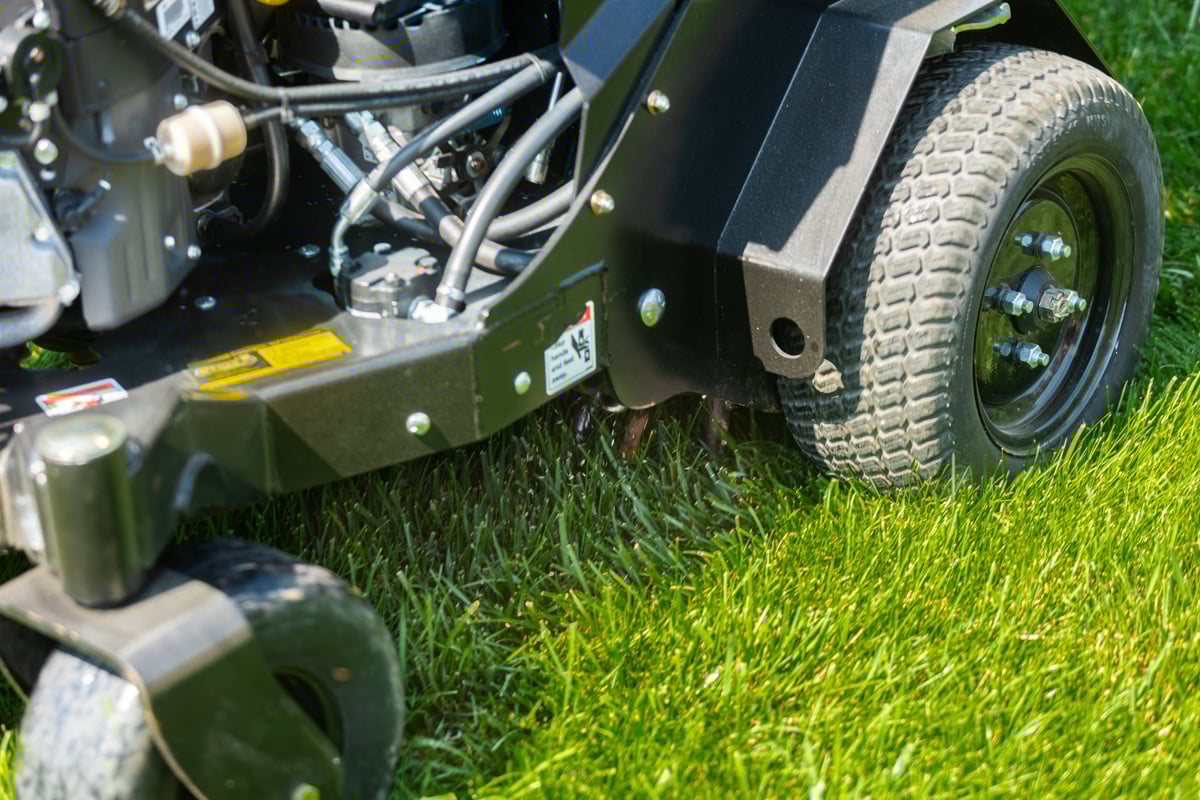
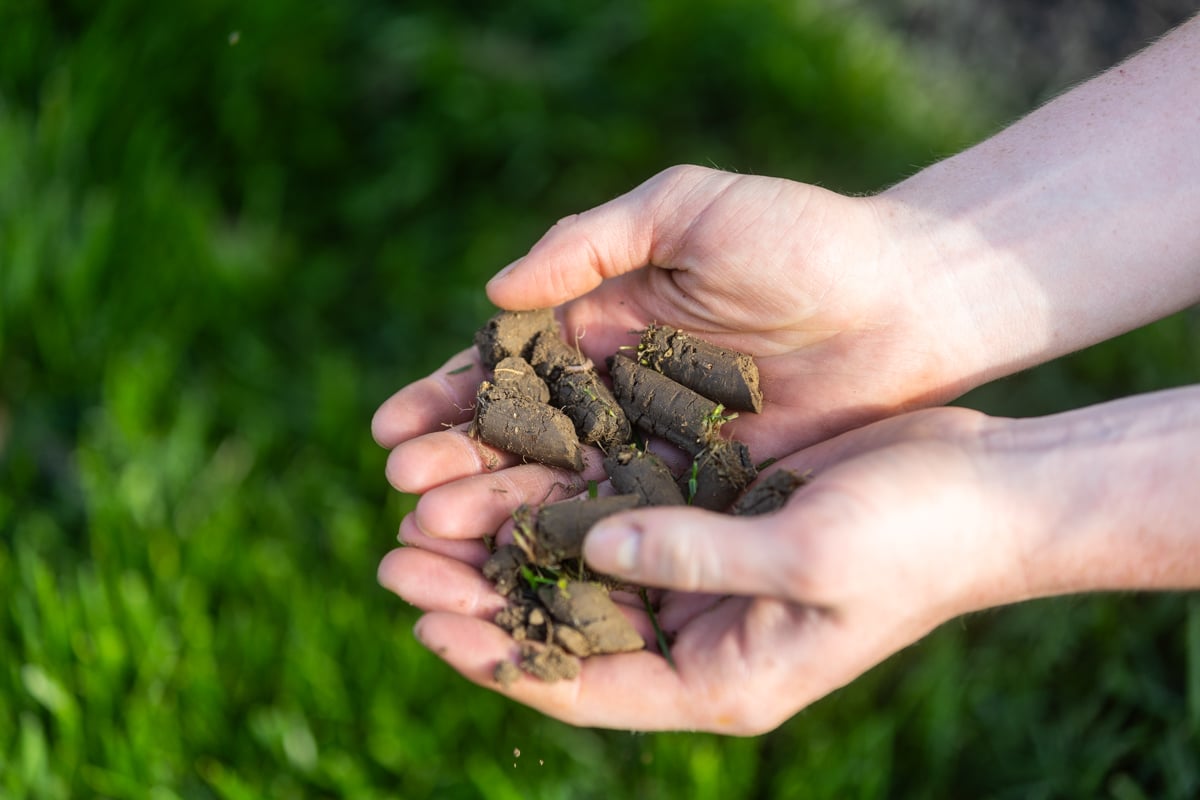
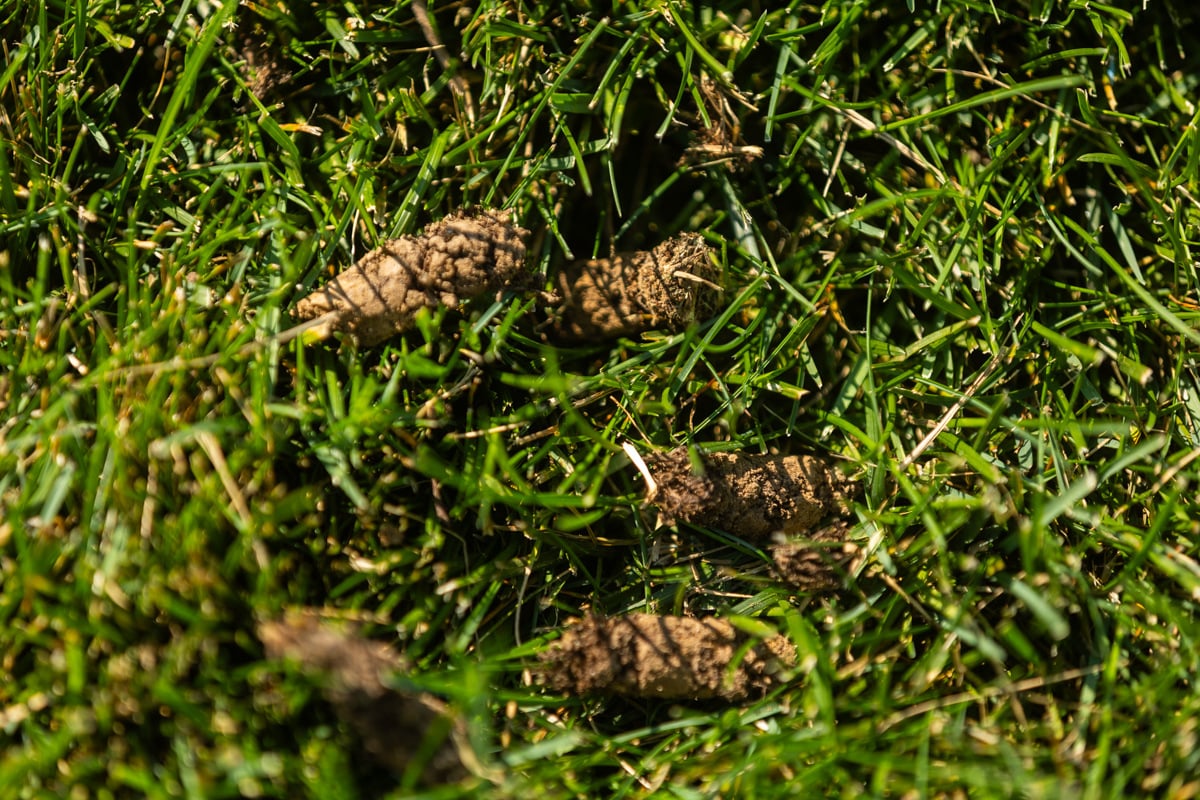
During this process, small holes are punched into your lawn, creating what we call aeration plugs. These are tiny soil cores that are pulled up and left on the surface to naturally break down.
By loosening the soil, aeration helps roots grow deeper, improves water absorption, and gives your grass the nutrients it needs to thrive. It’s one of the easiest ways to give your lawn a serious health boost. Core aeration also sets the stage for successful overseeding, which means a thicker and greener yard as bare spots fill in.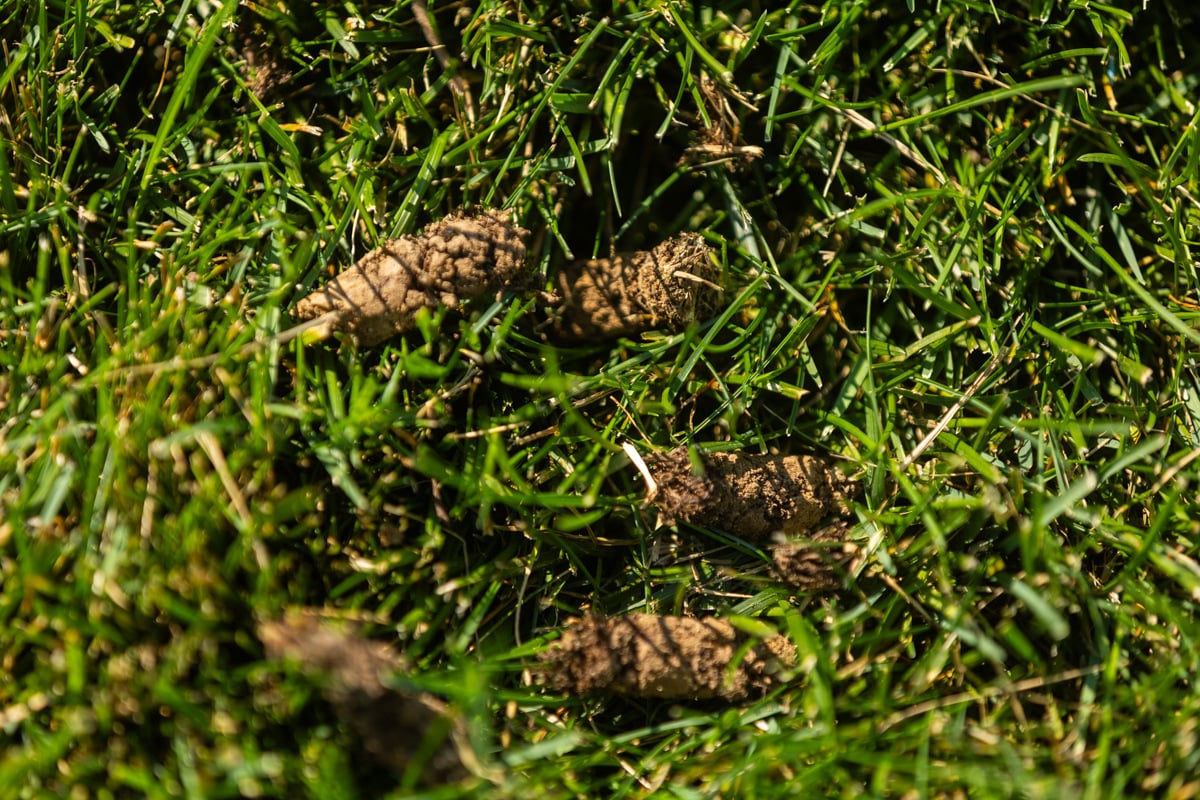
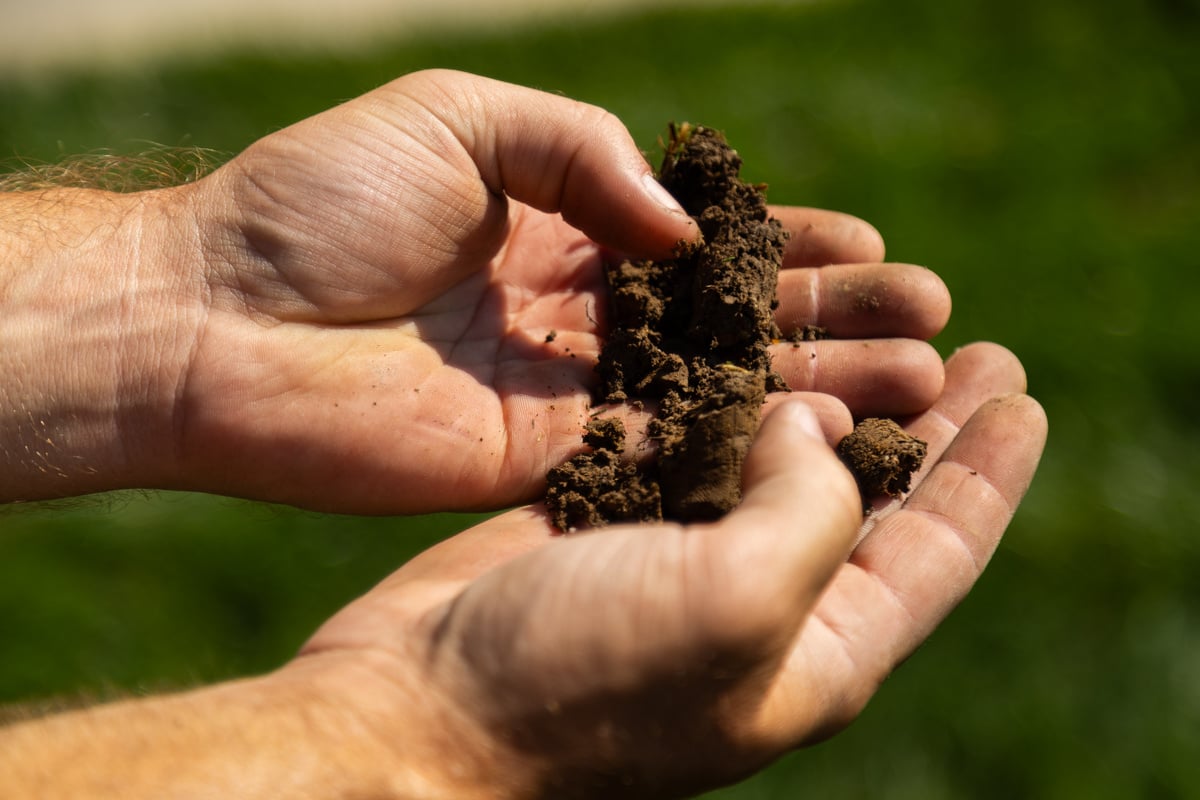
Residential lawns are naturally prone to compaction. The heavy clay soils that are common here in Indiana are a big part of the problem. Clay soil becomes compacted easily as it already has minimal particle space for air and water. Everyday use (including foot traffic, pet use, mowing, etc.) can cause the particles to press even closer together. This leads the lawn to become compacted over time.
As soil becomes compacted, it’s very difficult for water and air to reach the lawn’s roots. This is a common reason why lawns become waterlogged. When this occurs, you’ll see water sitting on top of the lawn and not draining.
The good news is that investing in a service like lawn aeration can play a huge role in alleviating that compaction. And that can make a significant difference in the health of your lawn.
When you aerate your lawn, it can have important benefits. Let’s break down what you can expect.
The key benefit of aerating your lawn is that it will start to alleviate compaction, creating more particle space within the soil. This allows more water, air, and nutrients to make their way down to the root zone where they’re needed.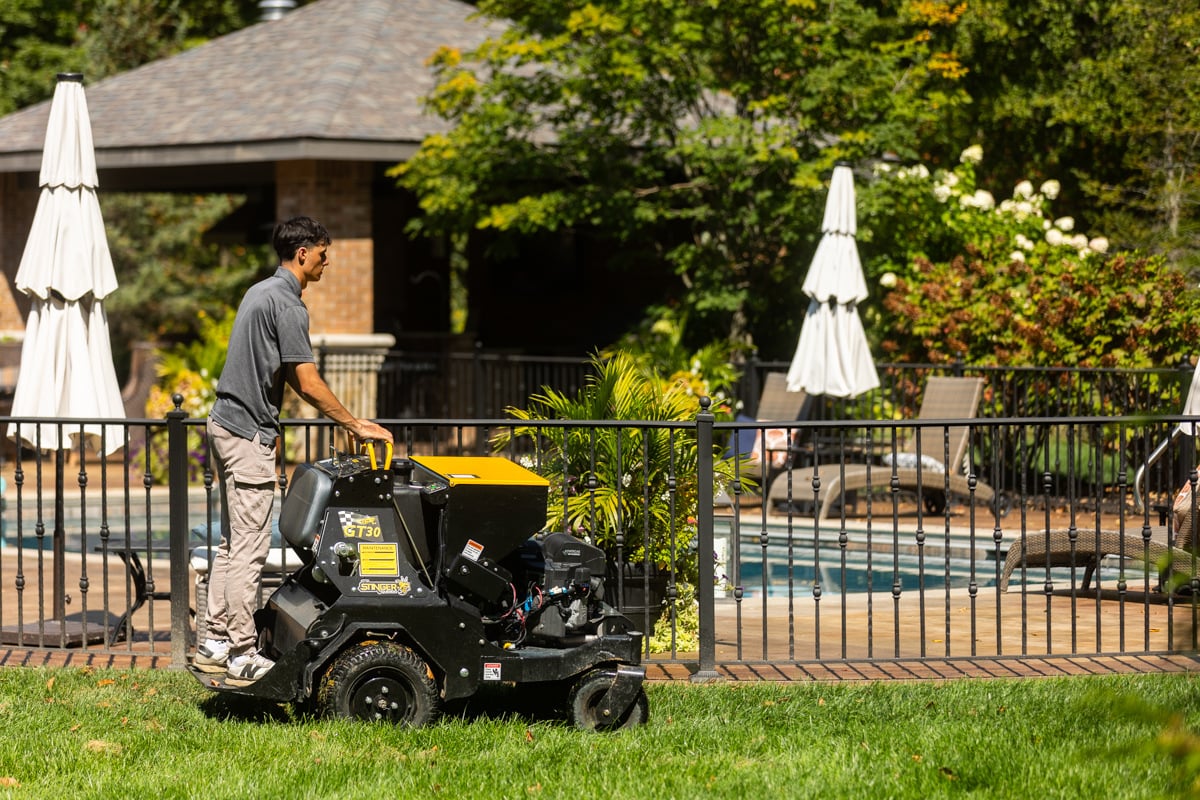
This can mean that a service like lawn fertilization or weed control can even be more successful as the products will penetrate the soil level instead of being stuck at the surface.
Over time, you’ll see lawns grow thicker and healthier thanks to overall improved compaction.
Simply due to the way that it grows and spreads via rhizomes, Kentucky Bluegrass tends to be prone to thatch buildup.
Thatch is a layer of both dead and living organic matter that builds up toward the surface. A thick layer of thatch can start to cause problems for your lawn (including being a common hang-out spot for pests like chinch bugs).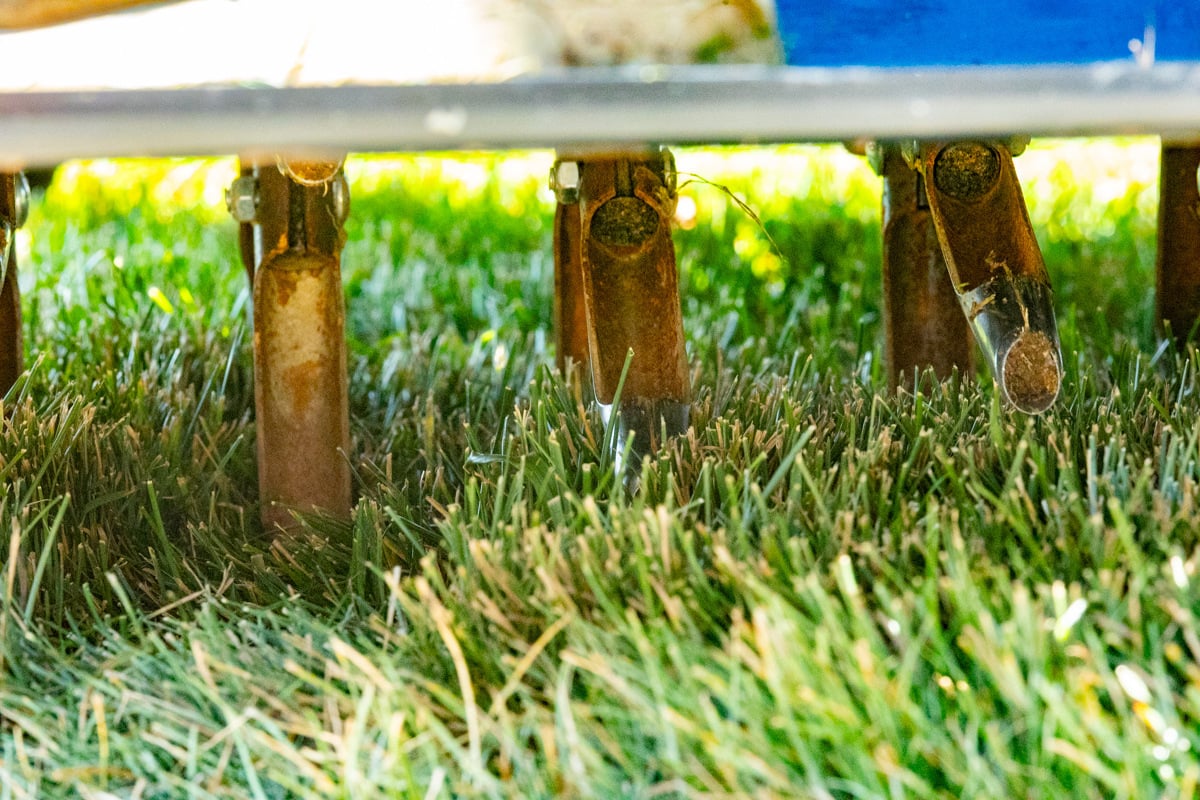
By alleviating soil compaction, core aeration helps beneficial microbes to naturally break down the thatch layer. This is much more desirable than a dethatching service which can be highly aggressive and actually tear up your lawn.
When lawns are well-aerated, roots grow deeper and healthier. Over time, this can lead to overall better health for your turf. It can also mean improved drought tolerance. When roots grow deep into the soil, your grass becomes much more resilient against heat and drought stress.
Deep-growing roots can gain access to moisture that is deep in the ground instead of relying on constant surface-level moisture.
Lawns also stop getting waterlogged with water trapped at the surface. When a lawn is well-aerated, water can percolate deep into the ground.
Because of how common it is for lawns to become compacted, we actually like to aerate twice a year, in the spring and the fall. If you’re someone who is looking for the best-possible results and want to do everything you can for your lawn, then we’d recommend bi-annual lawn aeration.
However, if you choose to only aerate once per year, then the best time to aerate a lawn in Indiana would be the fall. That’s partially because it is also the best time for overseeding, which is another valuable service that can be done in tandem with aeration. It also gives your lawn the best chance at recovering and storing nutrients heading into winter.
The fall is by far the best time for seeding as it has optimal weather conditions. The soil is still warm but the air is cooling down a bit. It’s also not on the cusp of summer, which is the hardest time of the year for lawns.
When homeowners seed in the spring, their new grass hardly has any time to grow and establish itself before having to face the brutal conditions that accompany summer. The intense heat coupled with decreased rainfall can take a toll on established lawns (let alone brand-new grass).
As we’ve mentioned, we recommend lawn aeration twice a year for premium results. We like to aerate lawns in the spring and then again in the fall, at which time we will also overseed.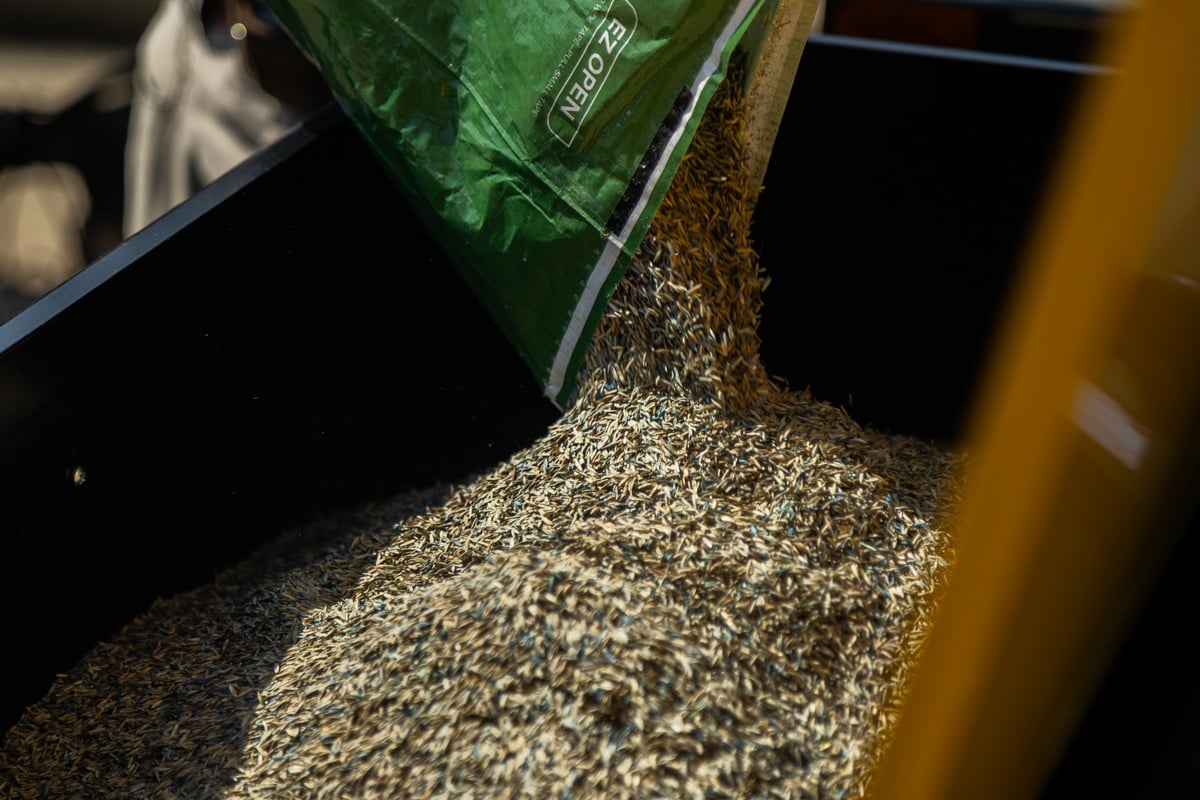
We understand that not all homeowners want to invest in bi-annual aeration.
If you don’t plan to aerate twice a year, then we definitely recommend keeping up with it annually. It’s a lawn care service that’s going to make every other lawn service you have done work better. For that reason, it’s arguably the most important thing that you can do for your lawn!
While it’s true that you could aerate your lawn on your own, we find that most homeowners don’t want to deal with the time or hassle involved in doing that. While you might be able to save a little bit of money by renting an aerator, it can be back-breaking work to do it yourself.
Most rental companies rent out walk-behind aerators, which can be a lot of work to push around the yard. Plus, hand tools for aeration offered by many big box stores require an extraordinary amount of time and effort, even for small lawns. At the end of the day, you’re unlikely to get the professional results that a lawn care pro could deliver from either of these methods.
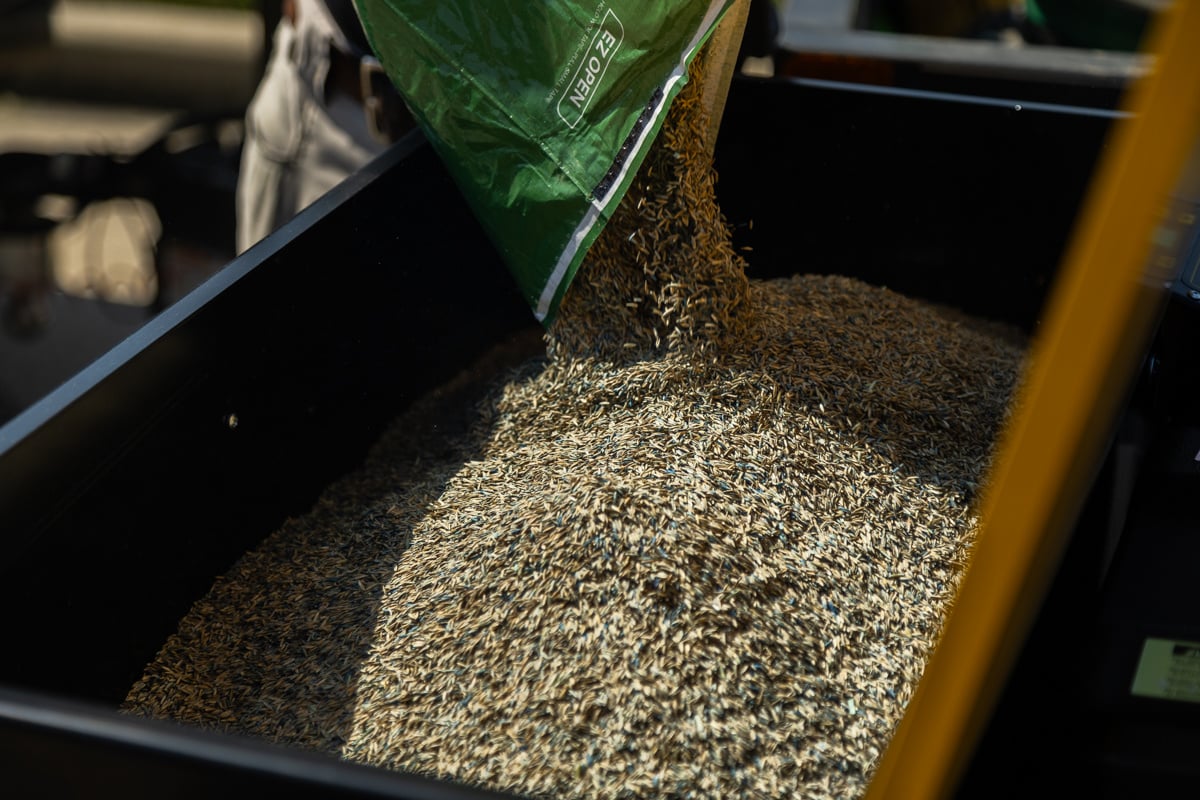
Aeration and overseeding can work wonders for your lawn, but only if they are done right. Between calculating seed math, picking the right blend, and trying to figure out a good watering schedule, there is a lot of room for mistakes that lead to less effective results.
During lawn aeration, small holes are punched into your lawn, creating what we call aeration plugs. These are tiny soil cores that are pulled up and left on the surface to naturally break down. Between the holes that are made, and the natural decomposition of the cores, compaction can be alleviated.
For the best possible results, we recommend aerating every spring and fall. Lawns should be aerated annually at a minimum.
You can aerate in both the spring and the fall. If you are also overseeding, this should be done in the fall at the same time as your aeration.
The before and after care of your lawn is important. Prior to an aeration service, mow your lawn to your normal height or only a slight bit shorter, up to a ½ inch less than usual. This helps the aeration plugs reach the soil more effectively without stressing your grass.
After core aeration, proper watering is key. Keeping your seeds and aeration plugs moist is critical to strong root growth. In the first week, aim to water lightly but frequently. The soil should be damp, but not flooded, so as not to wash away the seeds. After the first week, you can start to taper off to longer, deeper watering sessions. This helps to encourage roots to grow downward and establish themselves.
If you choose to partner with Shades of Green, you can expect that you’re going to get everything that your lawn needs to perform its best. That includes professional lawn aeration services.
We know that lawn care can be confusing. The good news is you don’t have to juggle all of that yourself. With Shades of Green, you get a team that knows the science, the timing, and the tricks to make your lawn thrive. We handle everything from choosing the right seed to monitoring for issues, so you don’t have to worry if you are doing it right.
Ready to see your lawn thrive like never before? Get started today by filling out our contact form. We provide lawn care services in Lafayette, IN, along with Carmel, Noblesville, & Westfield.
Envision a Brighter Future for Your Lawn


Cory is the heart and soul of Shades of Green. His dedication to doing right for our customers has been the driving force behind the company's success. With a degree in Turf Science from Purdue University, Cory continually strives to craft the best treatment plans using the latest technologies and innovative products, ensuring top-notch results for every client.