4 Common Lawn Pests in Indiana and How to Get Rid of Them

~5 mins
You step outside after a hot Indiana day, look at your lawn…and something just doesn’t look right. The grass looks patchy, thin, and stressed, despite your careful watering and mowing routine.
Before you blame the sun or drought, there is a chance that tiny invaders are at work beneath the surface. Chinch bugs can quietly damage turfgrass, and by the time you notice the signs, the problem has already spread. With a trained eye, however, you can identify, stop, and prevent chinch bug damage before your lawn is destroyed.
Let’s explore what chinch bugs are, how to spot damage, what they look like, and the most effective steps for chinch bug treatment and prevention.
Jump To:
What are Chinch Bugs?
Chinch Bug Lawn Damage
Chinch Bug Treatment
Partnering with Shades of Green
Chinch bugs are small turf-damaging insects that often fly under the radar here in Indiana. Typically, you don’t realize they exist until the damage is already done. Scientifically known as Blissus species, chinch bugs belong to a larger family of plant-eating insects that damage grass by feeding on it rather than just chewing it down. Their feeding method is part of what makes them so frustrating.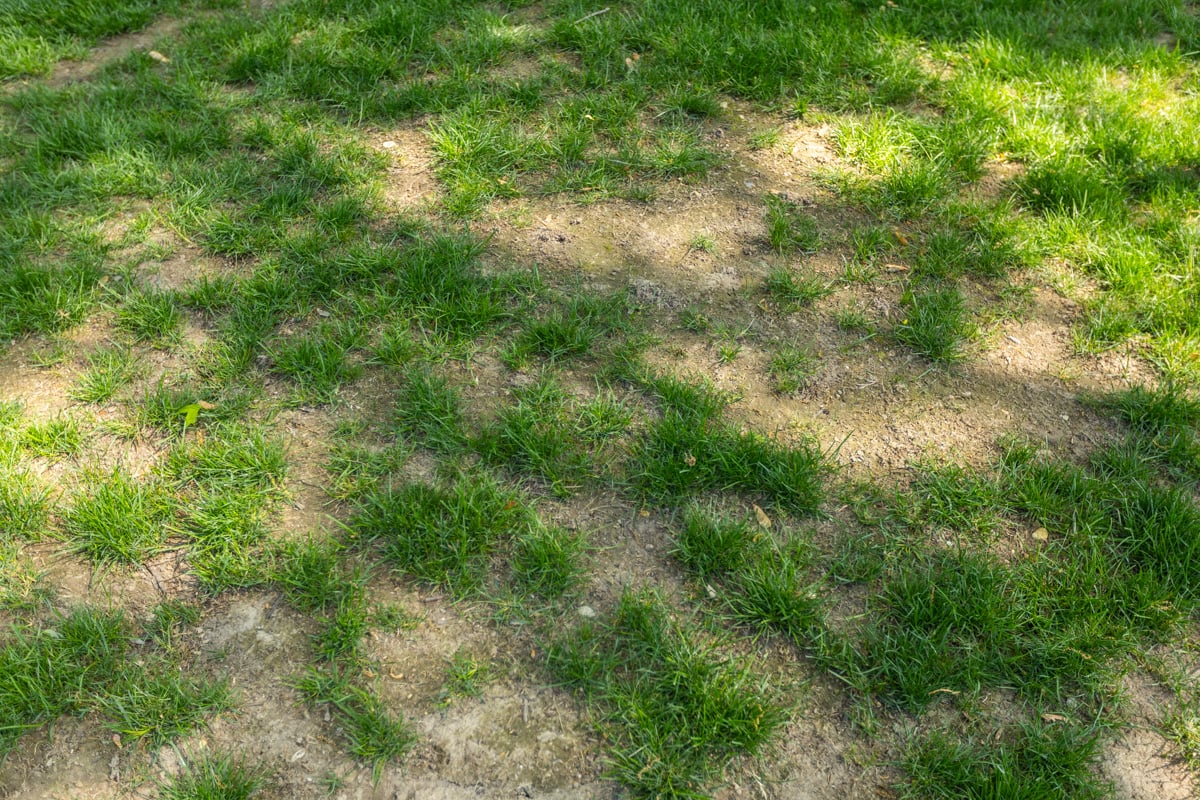
Chinch bugs use piercing-sucking mouthparts to draw sap from turfgrass plants, weakening the grass from the inside out. As they feed, they also inject toxins that interfere with the plant’s ability to move water, which can cause your grass to decline quickly.
In Indiana, chinch bug damage is commonly misdiagnosed or overlooked, especially early on. The symptoms can look a lot like drought stress, heat damage, or even nutrient issues. Much like billbugs, you just might not know they are present.
Chinch bugs love hot, dry conditions, and are especially active when your grass is already under stress. They tend to feed in groups, concentrating their damage in specific areas of the lawn rather than spreading evenly. This combination of environmental stress and grouped feeding allows chinch bug populations to build quickly.
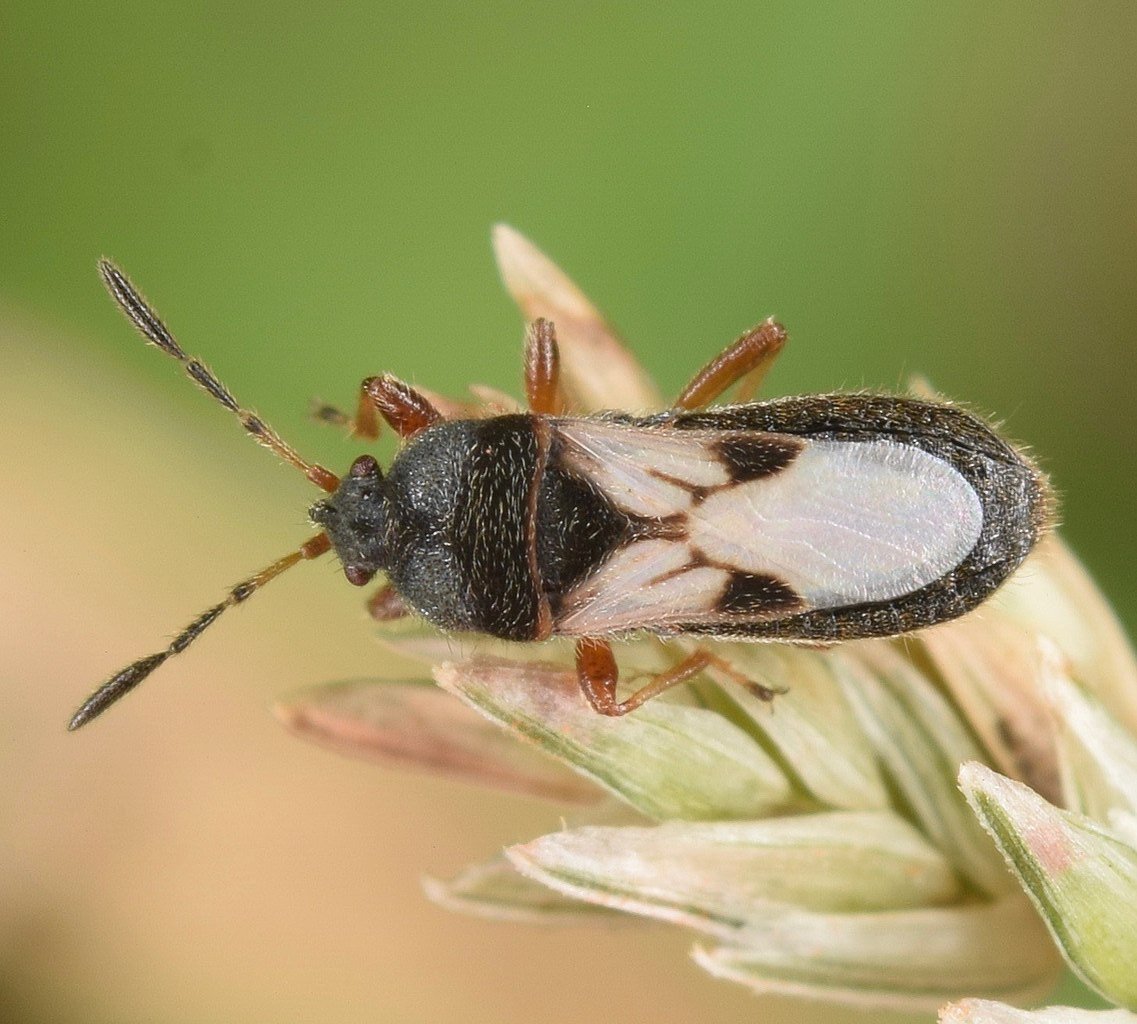
One of the reasons chinch bugs are so often overlooked is their size. Homeowners usually describe them as tiny black bugs in grass, and because they are small and fast-moving, they are easy to miss unless you know what you are looking for.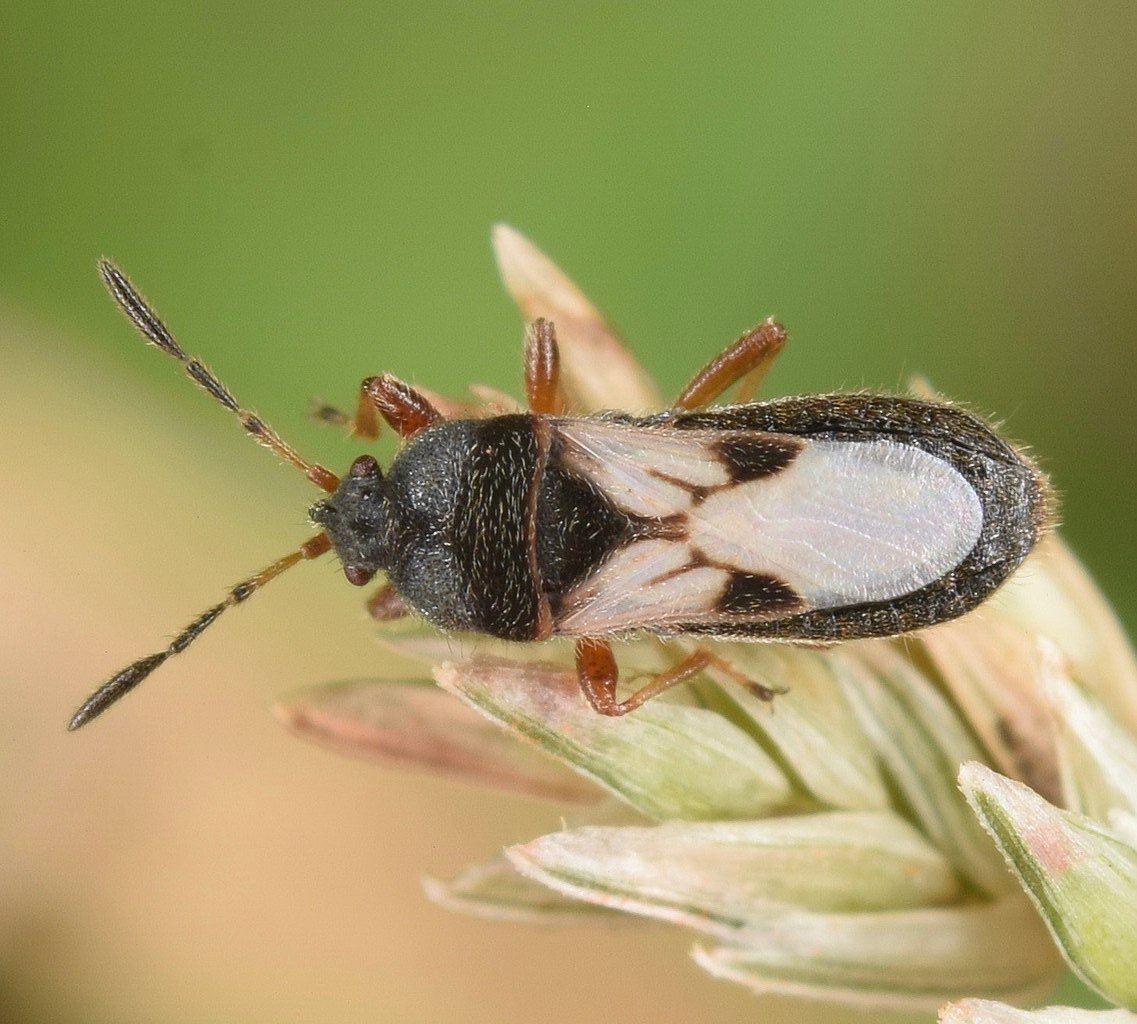
Adult chinch bugs are less than ¼ inch long. They have a mostly black body, with legs that range from brown to reddish-yellow. Their wings are white and lie flat over the back, marked by a distinct triangular black area about halfway down along their outer edge.
A common source of confusion is false chinch bugs. While they are similar in size and show up in large numbers, false chinch bugs usually feed on weeds rather than grass and don’t cause the same type of lawn damage.
Chinch bug damage often shows up when your lawn is already struggling, which is why it is so easy to confuse with drought stress or heat damage. At first, affected areas may look dry, thin, or discolored, even when the lawn is being watered regularly. Grass may turn yellow, then brown, and eventually die off in irregular patches. What is happening below tells the real story, though. As chinch bugs feed, they damage your turf, causing it to decline from the top down.
One of the best places to look for chinch bugs is near the edges of damaged areas, where healthy and unhealthy turf meet. Carefully part the grass and examine the thatch layer, leaf sheaths, and the base of the plants. Chinch bugs tend to hide there, especially during the heat of the day. 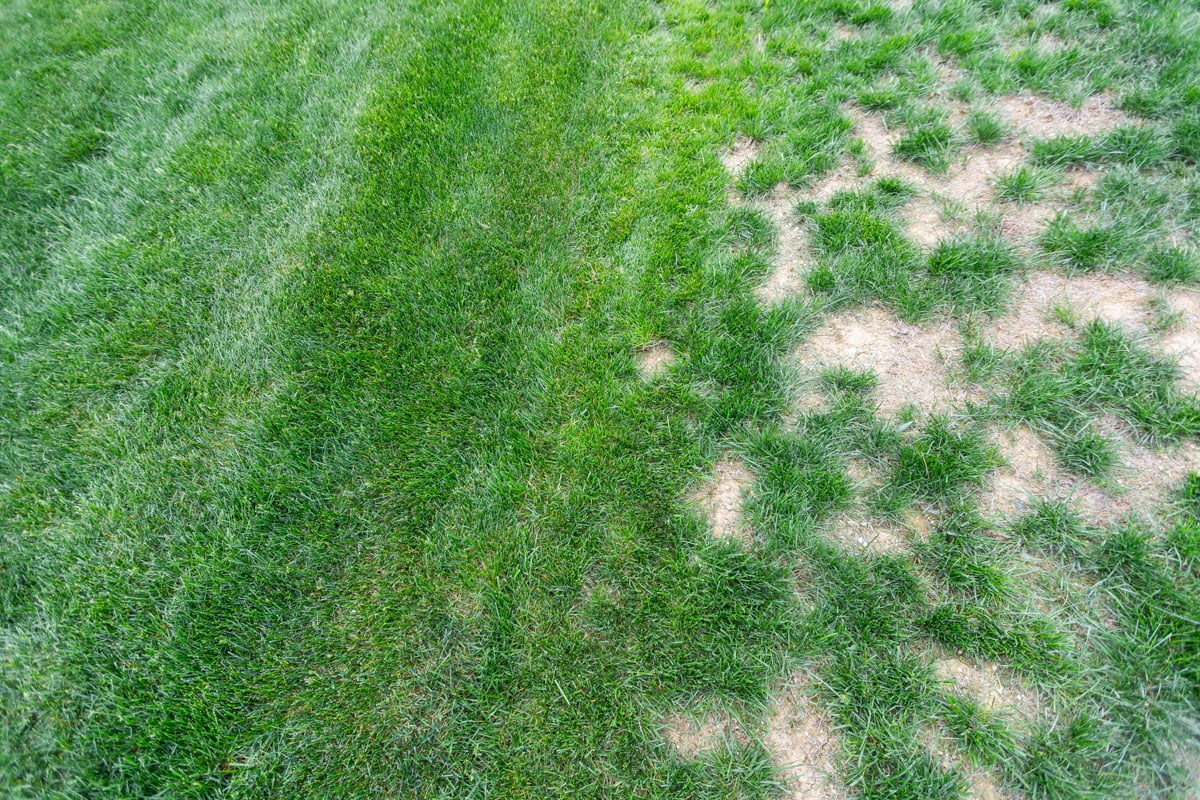
When disturbed, chinch bugs will often move quickly down into the thatch to avoid detection, and in heavier infestations, you may even notice an unpleasant odor. These behaviors make them easy to miss unless you are actively checking the right spots.
Because the symptoms mimic environmental stress so closely, chinch bug infestations can be really tough to diagnose until damage becomes very severe.
Chinch bugs may not make the top of the list every year for lawn problems in Indiana, but when they hit, the damage can be dramatic. At Shades of Green, we take a comprehensive approach to chinch bug prevention. Because chinch bug infestations are often very specific to certain conditions, it is easy for even experienced homeowners to misdiagnose what’s happening. That is why professional evaluation is so important. 
When our technicians inspect a lawn, they look carefully for the telltale signs, and controlling chinch bugs once identified is pretty straightforward. If we can catch an infestation early, a targeted insecticide treatment can stop the problem from spreading. When damage has already progressed, a rescue treatment is paired with overseeding to help the lawn recover, since turf may need extra help filling in areas where grass has been lost.
Prevention is key when dealing with chinch bugs. At Shades of Green, our grub control treatment actually helps prevent more than just grubs. It battles billbugs, chinch bugs, armyworms, and sod webworms. So, while it may cost more than other quick fixes, the result is a healthier, more resilient lawn and fewer surprises down the road.
Chinch bugs and other lawn pests can be frustrating, sneaky, and fast-moving. Trying to identify, treat, and repair damage on your own is time-consuming and can even lead to repeated problems or misdiagnosis. That’s where working with a professional really pays off.
At Shades of Green, we take the hassle out of monitoring, treatment, and recovery. Our team can identify problems early, apply targeted treatments, and provide ongoing prevention programs so infestations are stopped before they even take hold. When damage does occur, we can handle the repair process, including overseeding and lawn recovery, so you don’t have to guess what to do or spend weeks trying to get your lawn back in shape.
Need some help managing lawn pests like chinch bugs? Get started by filling out our contact form today.

Image Sources: chinch bug
Envision a Brighter Future for Your Lawn


Cory is the heart and soul of Shades of Green. His dedication to doing right for our customers has been the driving force behind the company's success. With a degree in Turf Science from Purdue University, Cory continually strives to craft the best treatment plans using the latest technologies and innovative products, ensuring top-notch results for every client.