What's the Difference Between Shades of Green’s Lawn Aeration & Overseeding Options?
~6 mins
There are a lot of great things that you can do to promote a healthy lawn at your Indiana home. But if you aren’t also investing in aeration services, you’re not going to see the best results.
In this article, we’ll talk about the benefits of aerating your lawn.
We’ll also answer the question: Can aeration and overseeding really improve a struggling lawn?
Spoiler alert….the answer is overwhelmingly yes. Aeration and overseeding can have a big impact on improving a struggling lawn.
We totally understand that homeowners are reluctant to spend money on services if they don’t understand the benefits or feel they really need them. Sometimes lawn aeration gets looked at as an “extra” and that makes people classify it as something they don’t actually need to invest in. But aerating your lawn can be the difference between a lawn that looks OK and one that looks amazing.
Let’s talk about why!
Jump To:
What Does Aerating a Lawn Do?
What Are the Benefits of Core Aeration?
How to Tell if Your Lawn Needs Aeration
What Are the Benefits of Overseeding After Aeration?
When Should You Aerate and Overseed Your Lawn in Indiana?
FAQs About Aeration & Overseeding Benefits
Partnering with Professional Lawn Care to Give Your Lawn More Opportunities to Grow
Why aerate a lawn in the first place? What’s the reason behind this service? The simple answer that you’ll often hear is that aeration helps a lawn to breathe. But it’s a little more complex than that.
First, it’s important to understand there are actually two types of aeration: Liquid aeration and mechanical core aeration.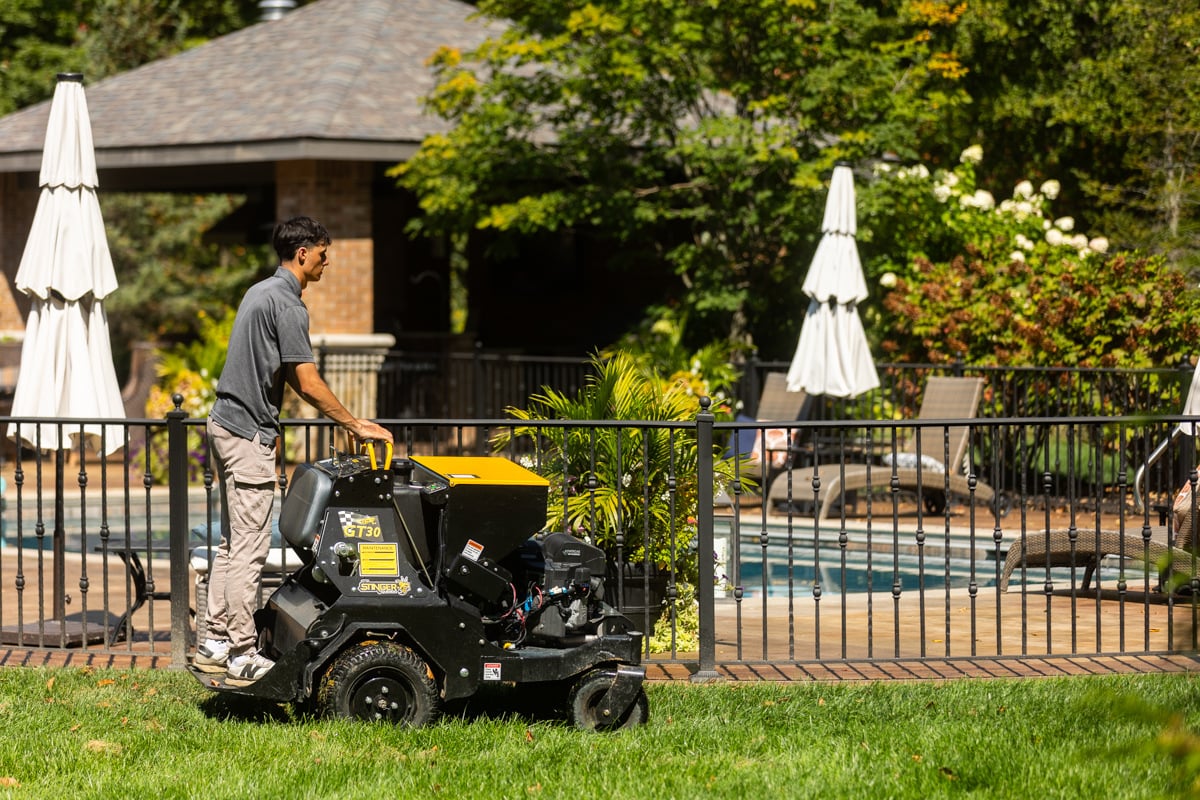
Both forms of aeration aim to improve the health of the soil by relieving compaction. Here in Indiana, our soils are primarily composed of clay, which is particularly prone to becoming compacted. Everyday use of the lawn can squeeze the already-tight pore space together. That makes it hard for your lawn to take in oxygen, nutrients, and water.
But aeration services can counteract that.
We offer both liquid and core aeration and we recommend that homeowners invest in both if they’re truly looking for the best results.
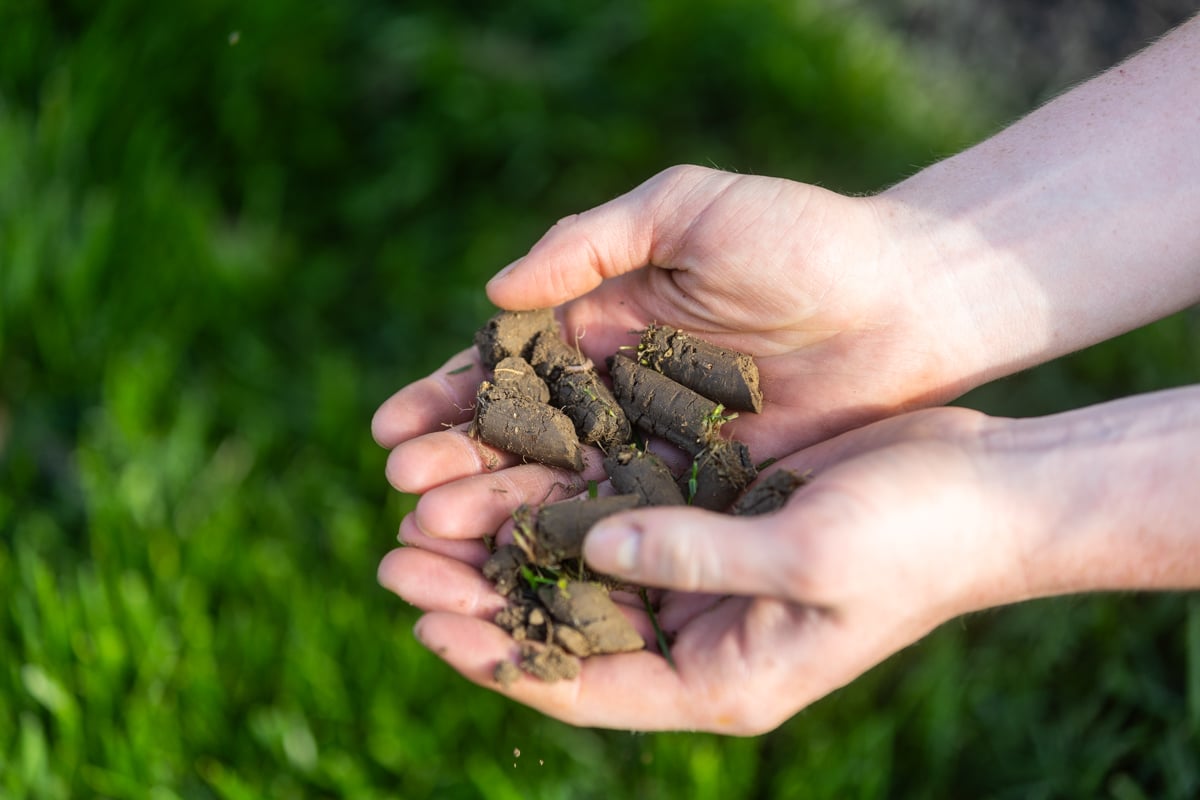
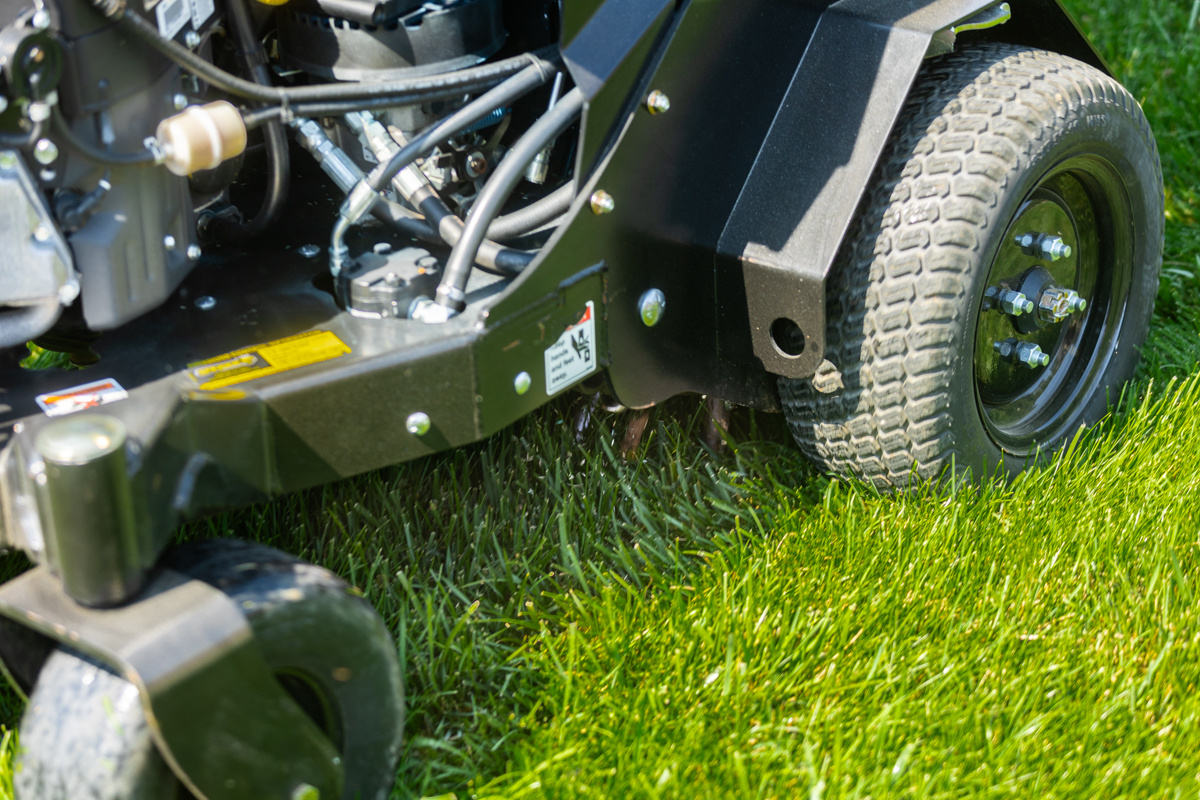
With mechanical core aeration a machine called an aerator is used to extract plugs of soil (we call them “soil cores”) from the ground.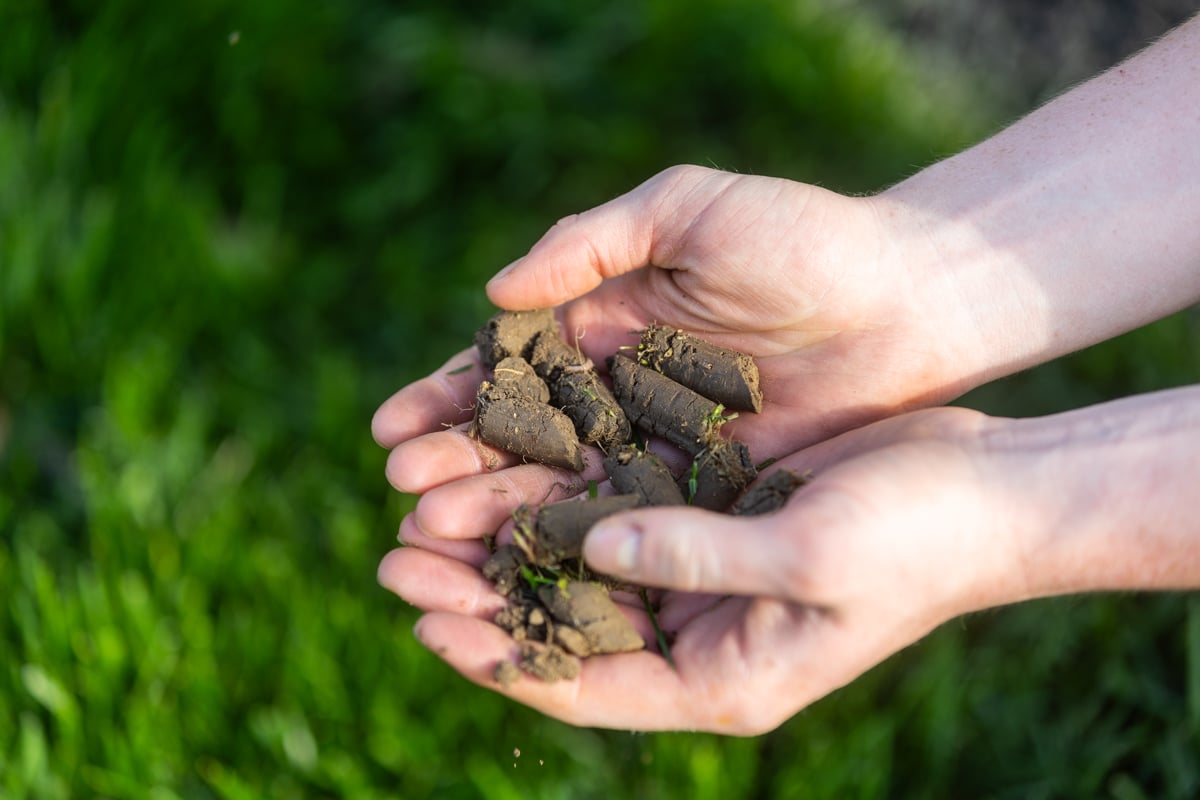
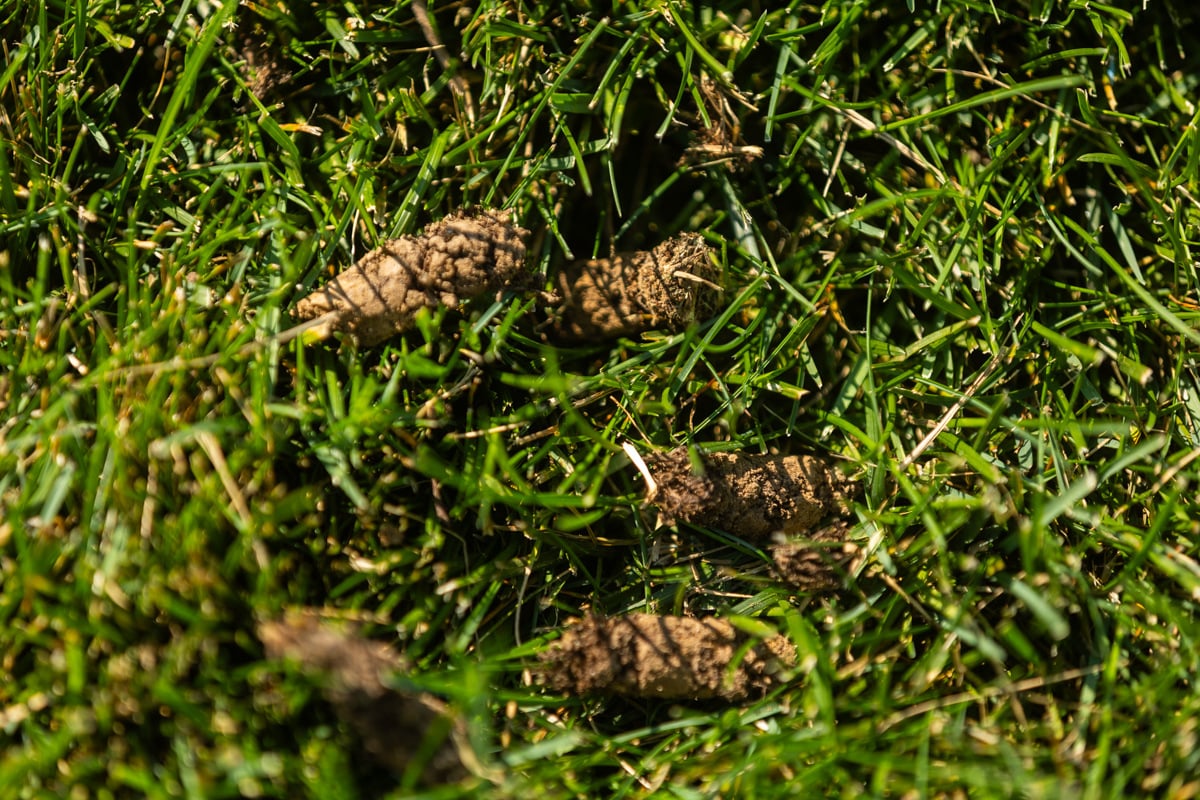
People think this service is all about creating those holes to allow the lawn to breathe, but it’s also all about the cores! The soil plugs are intentionally left lying on the ground where they'll naturally break down and settle back into the earth over time. This leaves behind, looser and healthier soil with improved microbial activity.
At Shades of Green, we call our liquid aeration service “Soil Builder,” because that’s exactly what this service does.
We mix up a proprietary cocktail designed to rehab tired, compacted, sad-soil lawns and turn them into thriving green machines. This blend immediately gets to work boosting microbial activity, which helps break down thatch layers and old clippings over time, warms up the soil, and even releases nitrogen naturally as things decompose. That means greener grass, stronger roots, and less buildup of that annoying layer that makes your lawn feel like a sponge.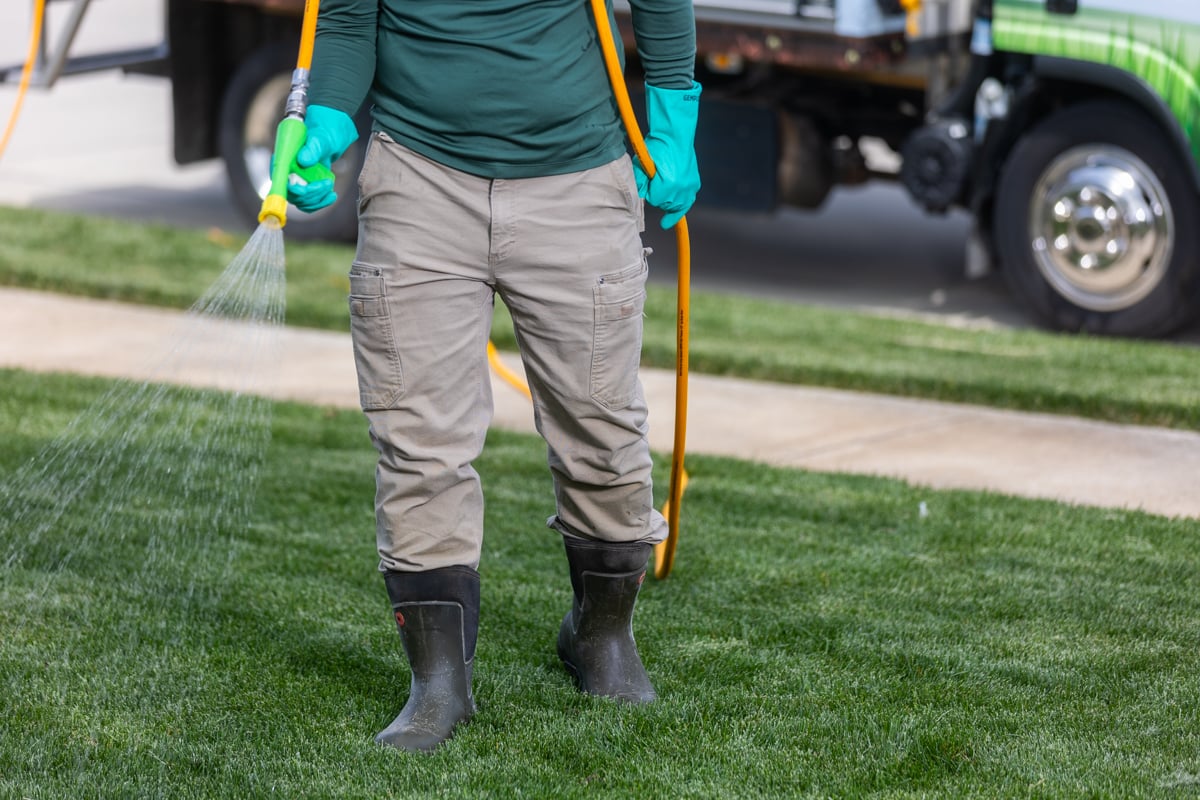
In this article, we’re going to focus more on mechanical core aeration (the “OG” aeration service) but it’s important to keep in mind that using both of these aeration services in Indiana can yield superior results. It’s not an “either/or” situation.
The benefits of core aeration are numerous! Lawn aeration can truly make a huge difference in your lawn’s overall health, particularly if your soil is compacted (which, here in Indiana, most lawns are).
Here’s what you can anticipate:
A lot of people describe their lawn as looking “tired” or “struggling” when being in need of aeration. But there are some signs that you can watch for.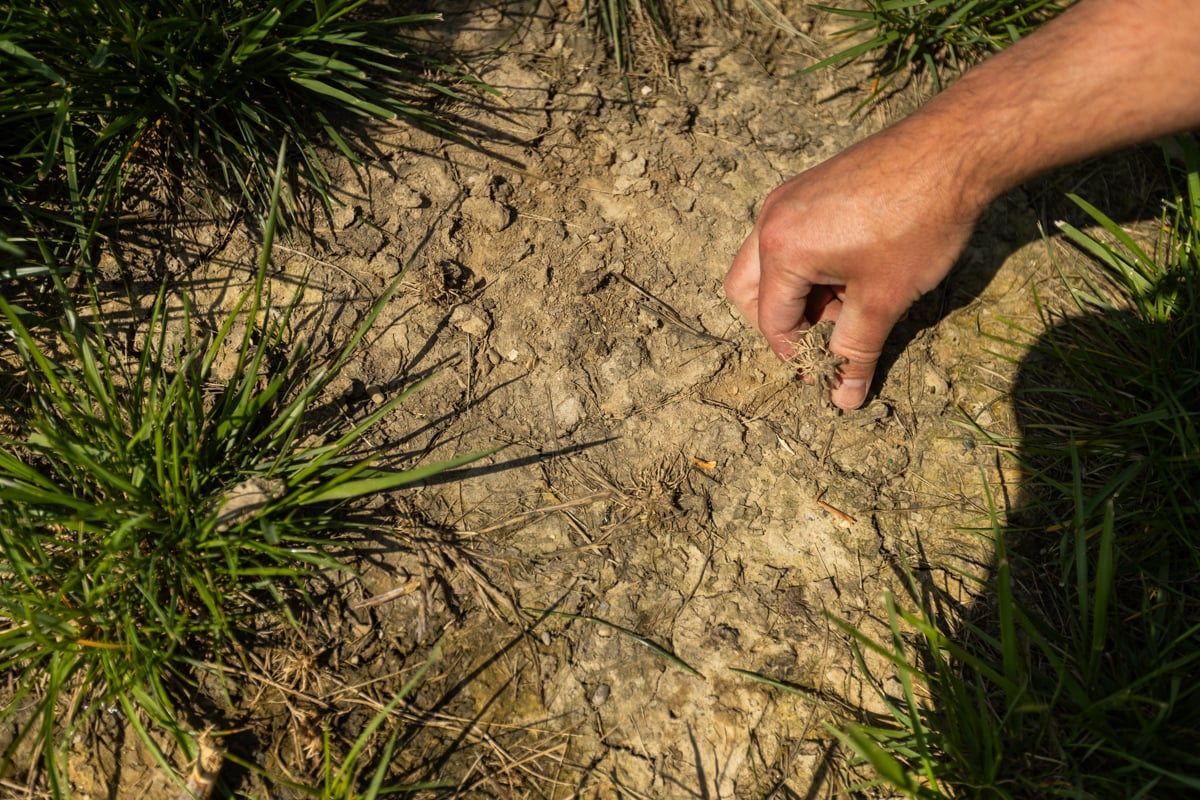
Overseeding the lawn immediately following a core aeration service is valuable because it provides the optimal seed-to-soil contact that is needed for that grass to germinate. When seeding right after aeration, the soil is looser and even has holes that the seeds will fall into. This is going to create the best growing conditions for the seed and give it the best start to life.
When you overseed without aerating, you run the risk of wasting a lot of that seed. It ends up just sitting on top of the hard soil and might even dry out or become expensive bird seed before ever getting a chance to grow.
You might be wondering: Do you really need to overseed after aeration? We definitely recommend it for a few reasons.
Some of the benefits of overseeding a lawn include:
Because of how common it is for lawns to become compacted, we actually like to aerate twice a year, in the spring and the fall. If you’re someone who is looking for the best-possible results and want to do everything you can for your lawn, then we’d recommend bi-annual lawn aeration services.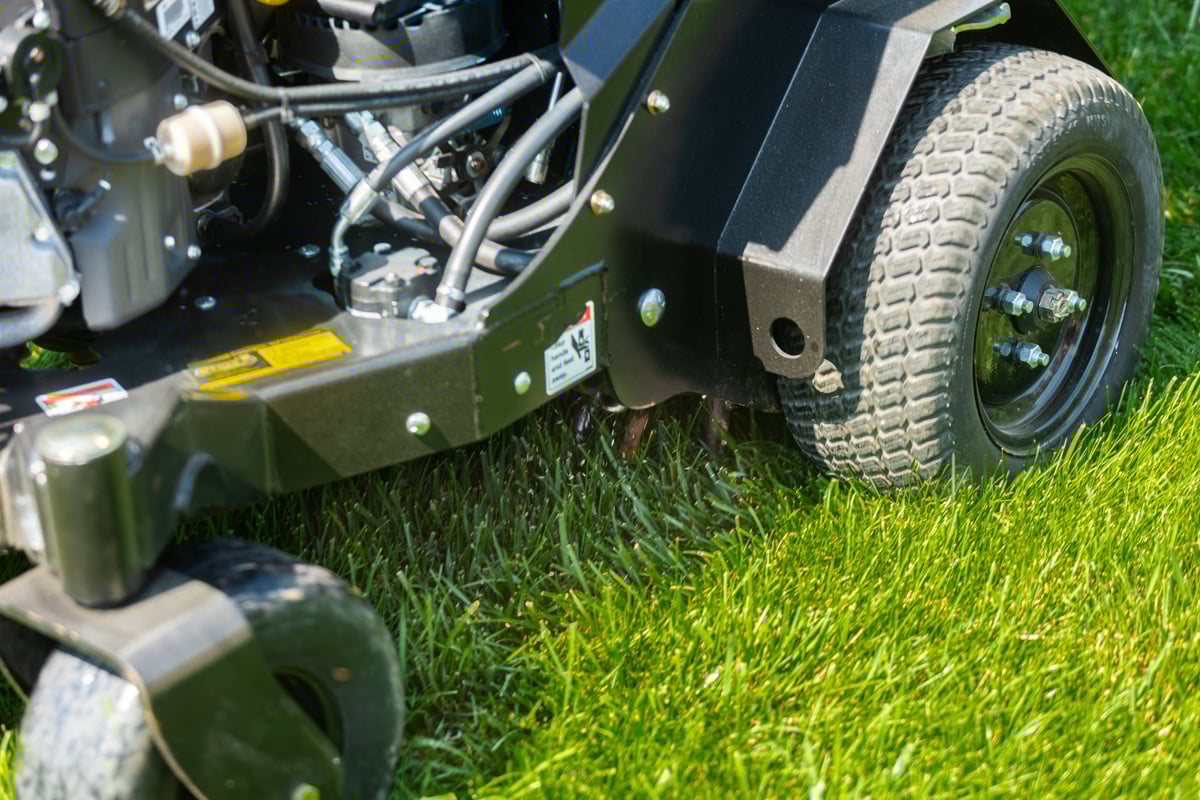
However, here’s an important caveat: Overseeding is best done in the fall.
This is a time when the weather is optimal for new germination. The air is starting to cool down but the ground is still warm. We do not recommend overseeding in the spring as seed will be susceptible to pre-emergent weed control and can dry out too quickly as the sun heats the season up.
Immediately following a core aeration service, your lawn might look a little rough. That’s completely normal. Those soil plugs will be visible on the surface and should be left alone to naturally decompose. Make sure that you are keeping the seed moist in the first few weeks by following watering recommendations.
It can take time to fix a lawn that is in really bad shape. If you have more thin and bare spots than you do healthy turf, it could take more than one season of aeration to begin to restore things. But if you trust the process, you will start to see results.
You’ll see some new germination start to sprout as soon as a week but it’ll be some time until it actually fills in and looks like a lawn. It’s imperative to follow watering instructions after a lawn aeration service.
If you truly care about getting the best results, we recommend aerating and overseeding at least once a year. But you’re going to get the best results if you aerate every fall and spring.
It is important to follow the recommendations of your lawn care provider when it comes to watering the lawn after aeration and overseeding.
In the first week, aim to water lightly but frequently. The soil should be damp, but not flooded, so as not to wash away the seeds. After the first week, you can start to taper off to longer, deeper watering sessions. This helps to encourage roots to grow downward and establish themselves.
You should try to stay off the lawn as much as possible immediately following an aeration and overseeding service. You want to make sure that you don’t impede the seed-to-soil contact that is happening. After seedlings emerge, light walking is okay, but you should still avoid heavy use. Wait until new grass is more established to resume normal use.
Lawn care in Lafayette and the nearby areas can be complicated and our clay soils make aeration imperative. But with the right company and the right program, you’ll be on your way to a much healthier lawn.
With Shades of Green, you get a team that knows the science, the timing, and the tricks to make your lawn thrive.
We handle everything from helping you find the right program to choosing the right seed to monitoring for issues, so you don’t have to worry if you are doing it right. Before you know it, you’ll be enjoying your lawn more than ever before.
Ready to see your lawn thrive like never before? Get started today by filling out our contact form. We provide lawn care services in Lafayette, IN, along with Carmel, Noblesville, & Westfield.
Envision a Brighter Future for Your Lawn

Cory is the heart and soul of Shades of Green. His dedication to doing right for our customers has been the driving force behind the company's success. With a degree in Turf Science from Purdue University, Cory continually strives to craft the best treatment plans using the latest technologies and innovative products, ensuring top-notch results for every client.