Liquid Aeration vs. Core Aeration: The Benefits of Utilizing Both

~4 mins
You just moved in. The house is what you’ve always dreamed of. The driveway looks perfect. The landscaping looks fresh.
But why does the lawn already look thin, patchy, and stressed?
If you are landscaping a new home, it is easy to assume new grass should be easier to grow. After all, everything is brand new, right? But in reality, a new construction lawn is one of the hardest environments for turf to thrive.
Between compacted soil, low organic matter, inconsistent irrigation, and more, your lawn is often starting at a disadvantage. This is exactly why your new construction property needs a different strategy.
We'll break down:
Is It More Difficult to Grow Grass on a New Construction Lawn?
Grass Growing Tips for Your New Lawn Installation
Partnering with Shades of Green for Professional Lawn Care
The short answer? Yes, especially here in Indiana.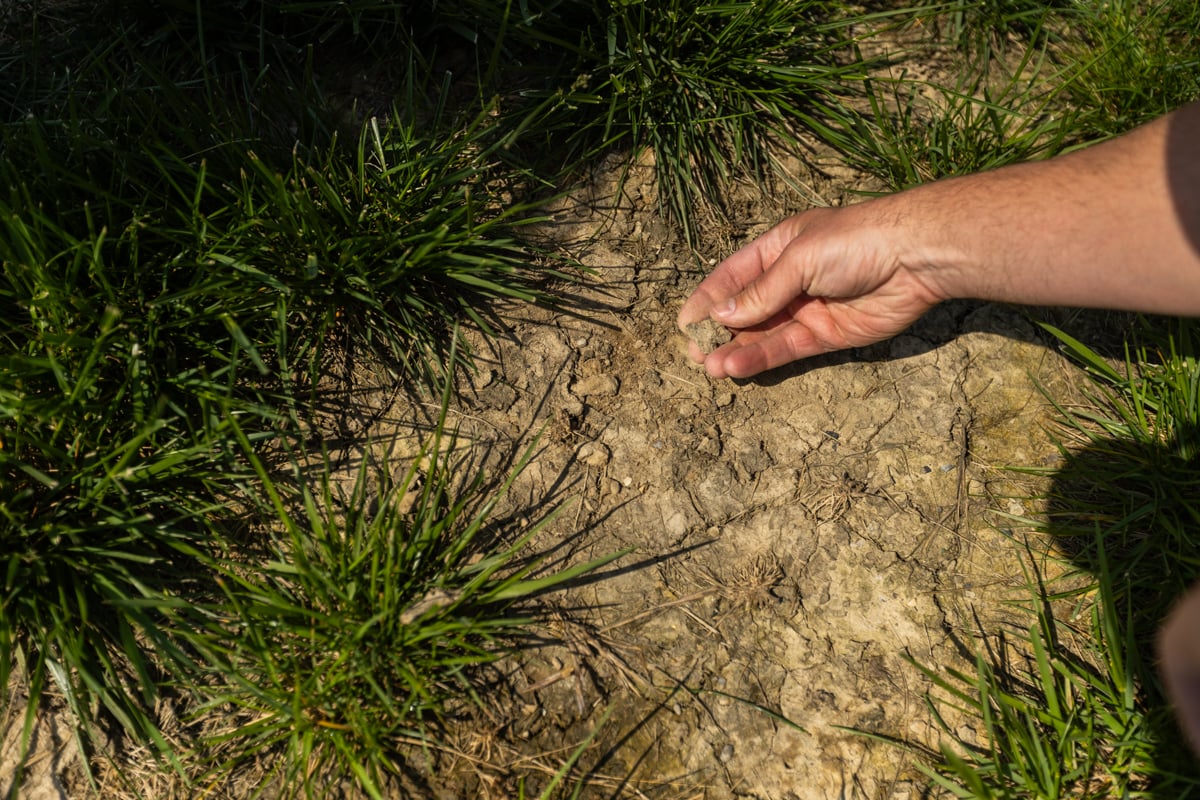 When you are landscaping a new home, the yard might look fresh and clean, but beneath the surface it is often one of the most challenging environments for grass to thrive. A new construction lawn is very different from an established property that has had years to build up soil structure, organic matter, and microbial life. Here's why growing grass on new construction is typically more difficult:
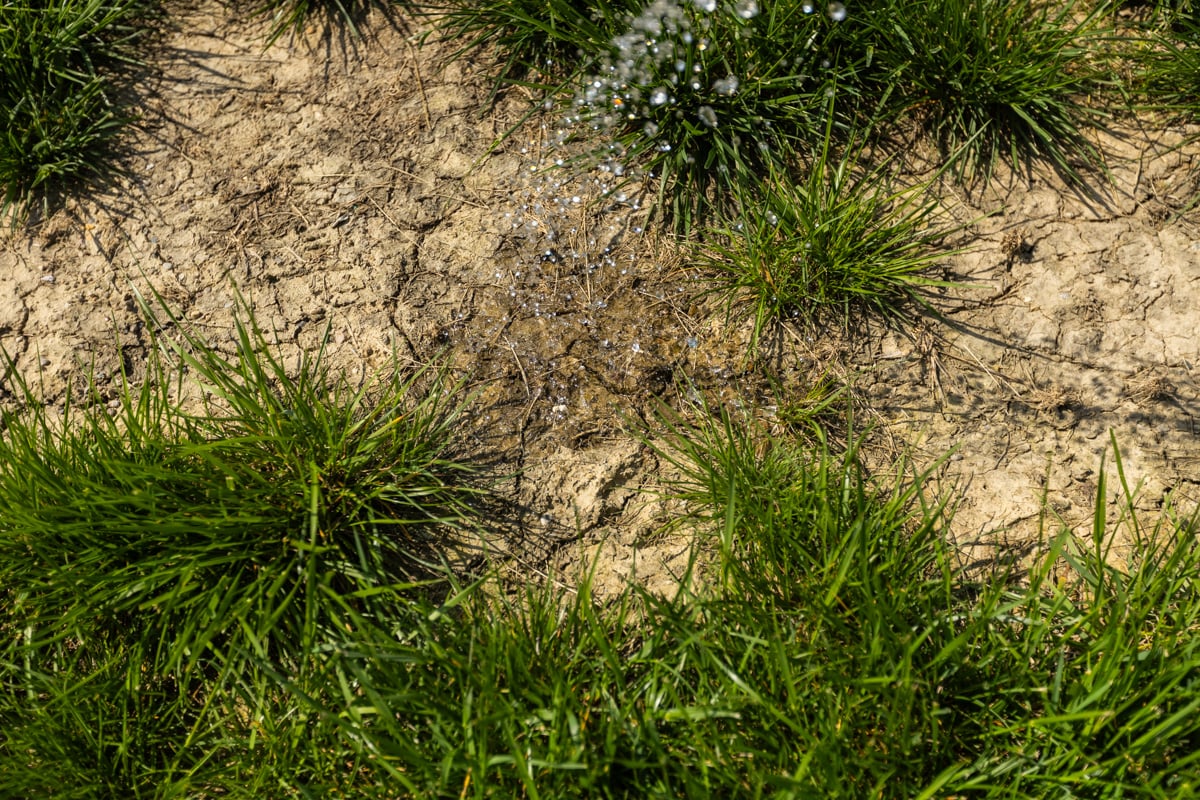
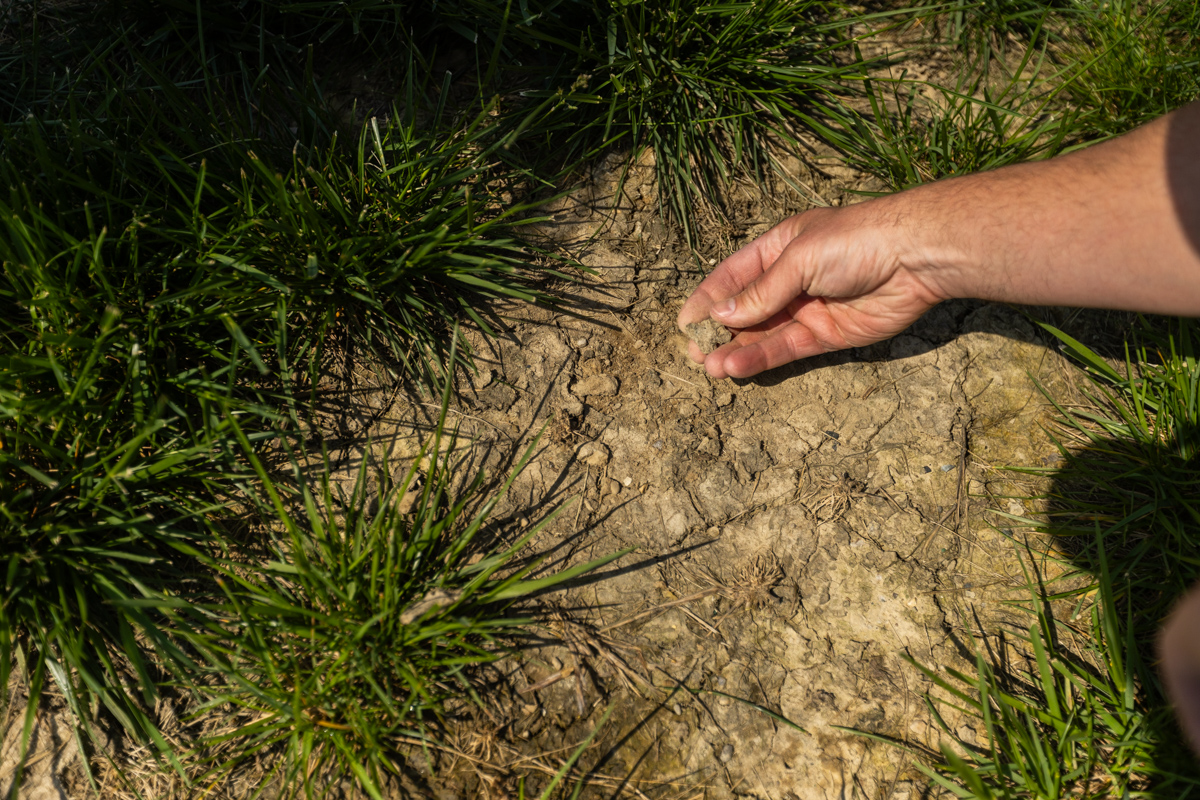
During the building process, lots of heavy machinery repeatedly drives over the lot. That traffic compresses soil tightly. Compacted soil leaves very little space for air, water, and root growth. Grass roots struggle to push through dense soil, which limits root depth and overall health. Even if seed germinates, it may never fully establish strong roots.
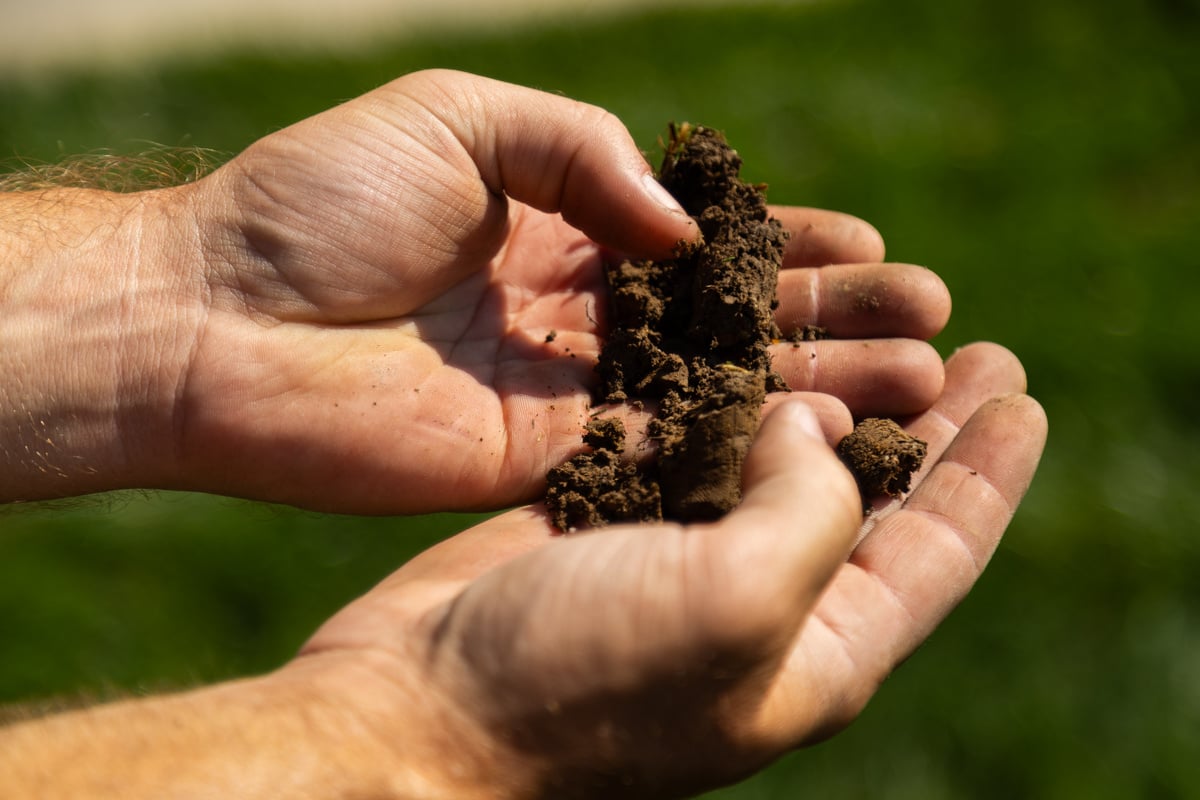
In many builds, the topsoil is stripped away during grading. That top layer is where most of the organic matter and beneficial microbial activity live. Without that layer, nutrient availability drops, microbial activity is minimal, there is very little natural nitrogen release, and the soil lacks proper structure. Established lawns slowly build their organic system over time, but new construction lawns start nearly from scratch.
New construction focuses heavily on grading for drainage away from the home. While that is important, it often leaves thin soil layers, uneven moisture retention, and areas that dry out quickly or stay too wet.
Builders in Indiana often also install sod in the front yard and seed in the backyard. The seed mix used may not be ideal for long-term density or our conditions here in Indiana. In some cases, the seeding rate is too light, existing native grasses were not fully eliminated, and weed pressure is already high.
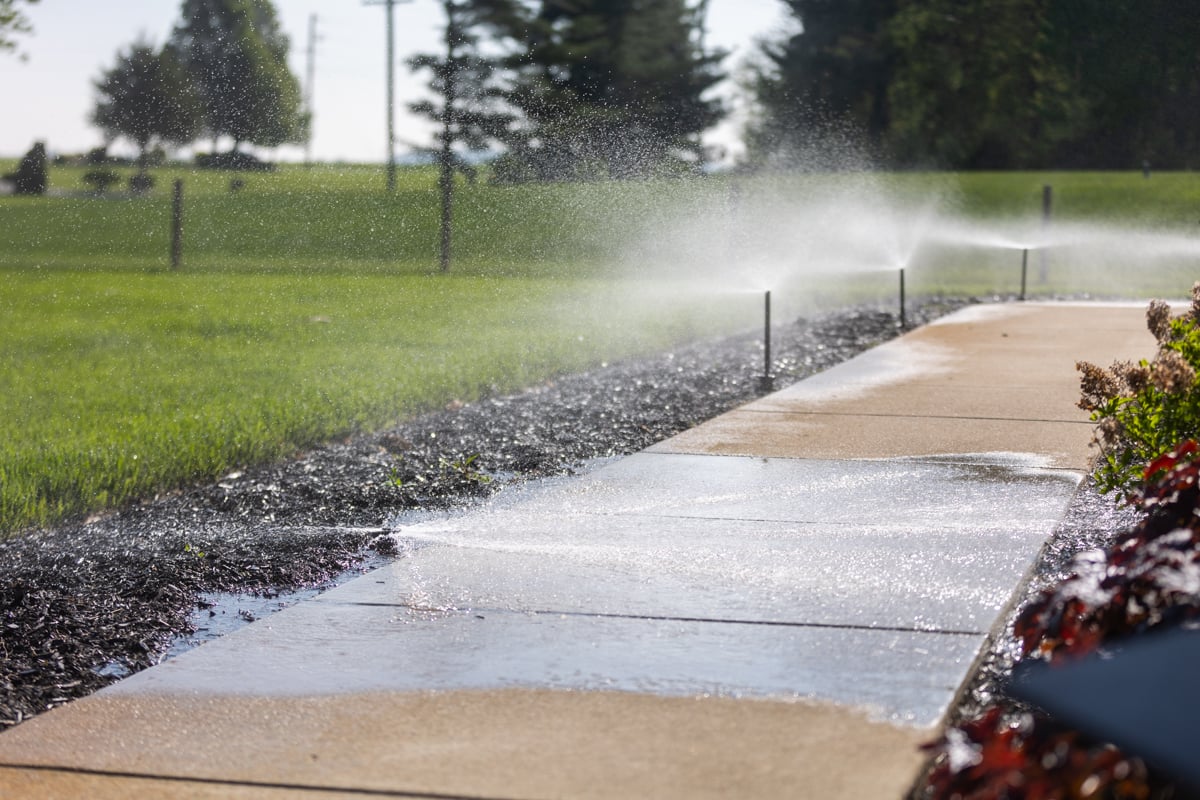
Irrigation systems are often installed before fences or final landscaping. Later additions like these can damage the installation, block spray patterns, and disrupt even irrigation coverage. This leads to dry spots, overwatered areas, and shrubs being blasted with water while your turf struggles to get any water.
If you are wondering how to help grass grow on a new construction property, the answer is not just water it and see how it goes. A new installation lawn needs a strategic and layered approach.
New construction lawns need more nutrients than established lawns. Existing turf has built up organic matter, active microbial life, and a thatch layer that slowly breaks down and releases more nitrogen and micronutrients. A new lawn has almost none of that, which means it requires intentional feeding early on.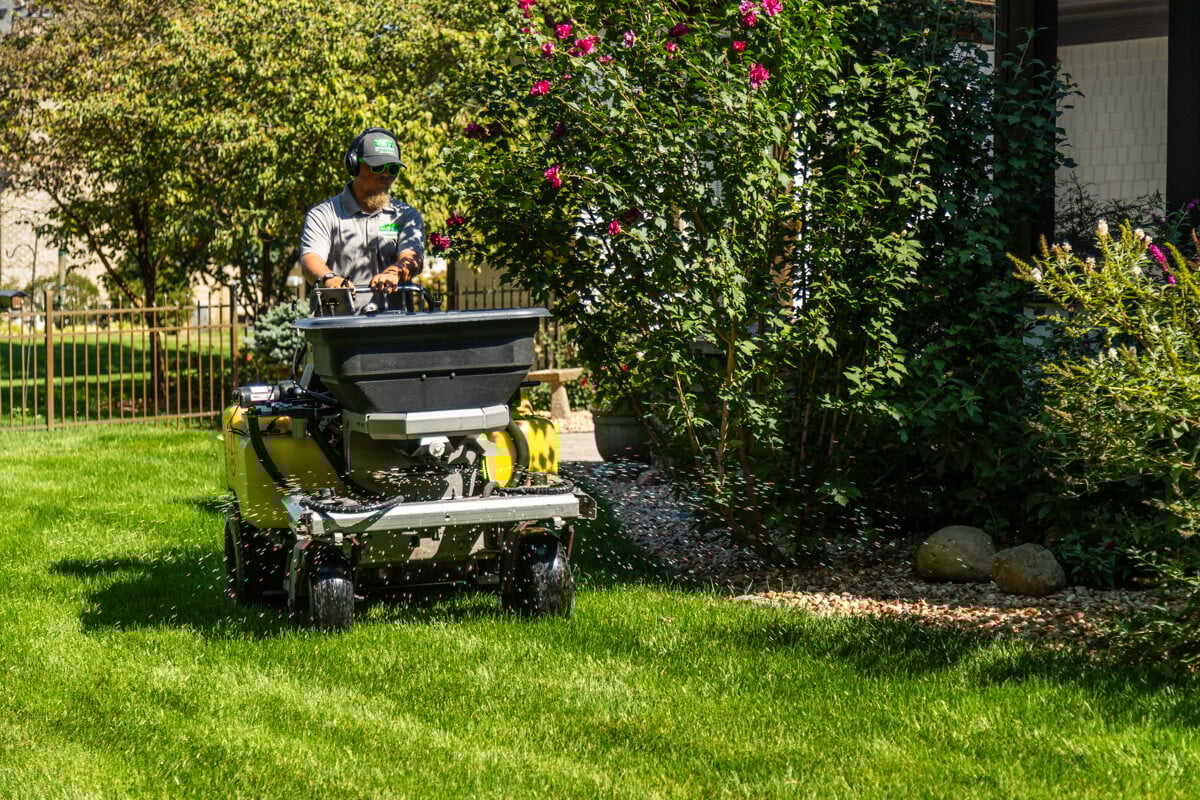
We recommend calling as early as possible to begin an accelerated new lawn care program. Early in the season, nitrogen rates and weed control applications are increased above what a standard established lawn gets. By mid-summer, your lawn can transition into a more standard maintenance rhythm, but it needs that early boost.
There is often a lot of confusion around mechanical core aeration and liquid aeration, but they serve very different purposes.
Core aeration physically pulls plugs from the soil. This helps with the compaction issue we discussed above and helps roots expand more easily. If you plan to overseed, core aeration is crucial.
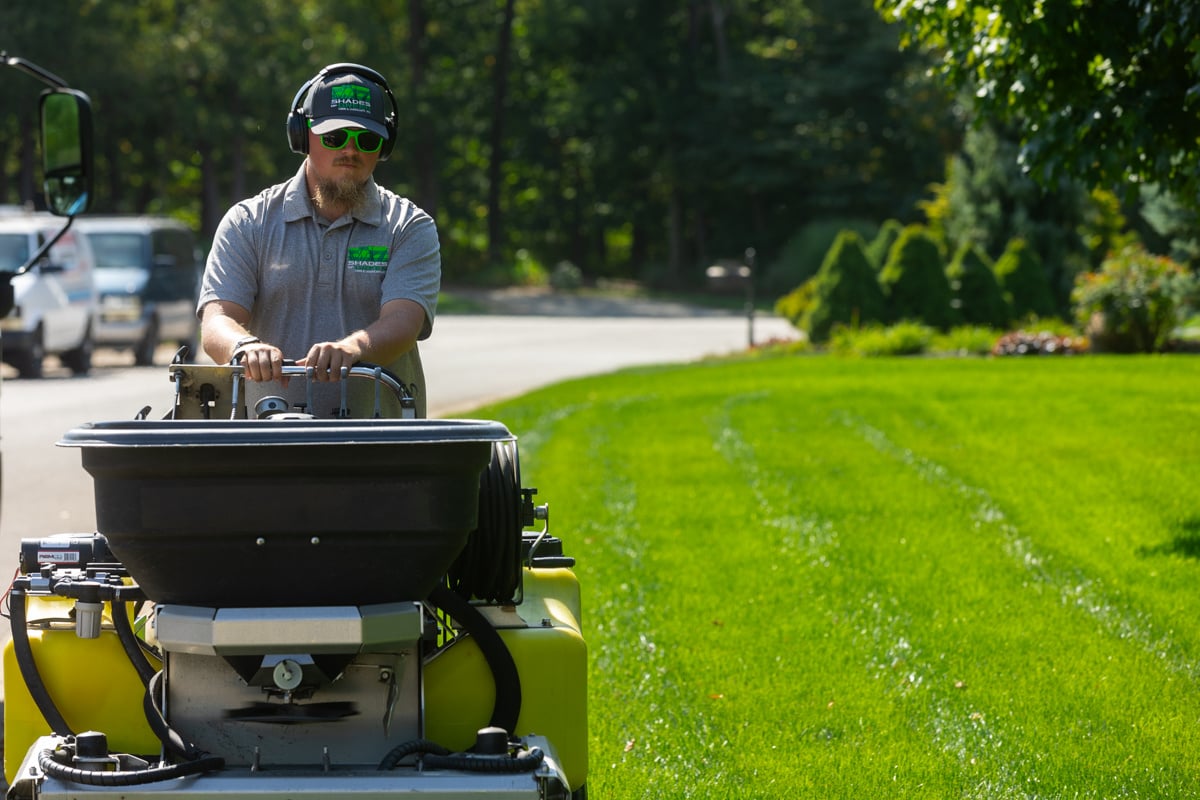
Liquid aeration, called soil builder in our program, works at the microbial level. It improves soil biology, increases organic activity, and supports long-term soil health. This soil building application should be done twice a year, especially on new construction lawns.
Together, both types of aeration address compaction and microbial life, two of the biggest weaknesses in a new lawn.
Early fall is when we shift into aggressive overseeding for new lawns, and this is where the real density is built. When overseeding, starter fertilizer is critical, particularly phosphorus (the middle number in the fertilizer ratio). Phosphorus moves very slowly through soil and plays a major role in root development.

For overseeding on a new lawn, we typically apply about 5 pounds of seed per 1,000 square feet. This is about 50% of what you would use for full brand-new lawn seeding. Precision calibration ensures that you get exactly what you are paying for.
Overwatering is one of the most common setbacks in new lawn installation. Grass roots need a reason to grow deeper. If water is always sitting near the surface, roots stay shallow, and shallow roots mean weaker turf. While newly laid sod may need extra watering for the first two weeks in order to establish, it’s best to switch up your watering after that period. Instead of running your irrigation for long stretches, use a cycle-soak pattern. This usually means watering about 3 days a week (rather than daily) for a shorter cycle.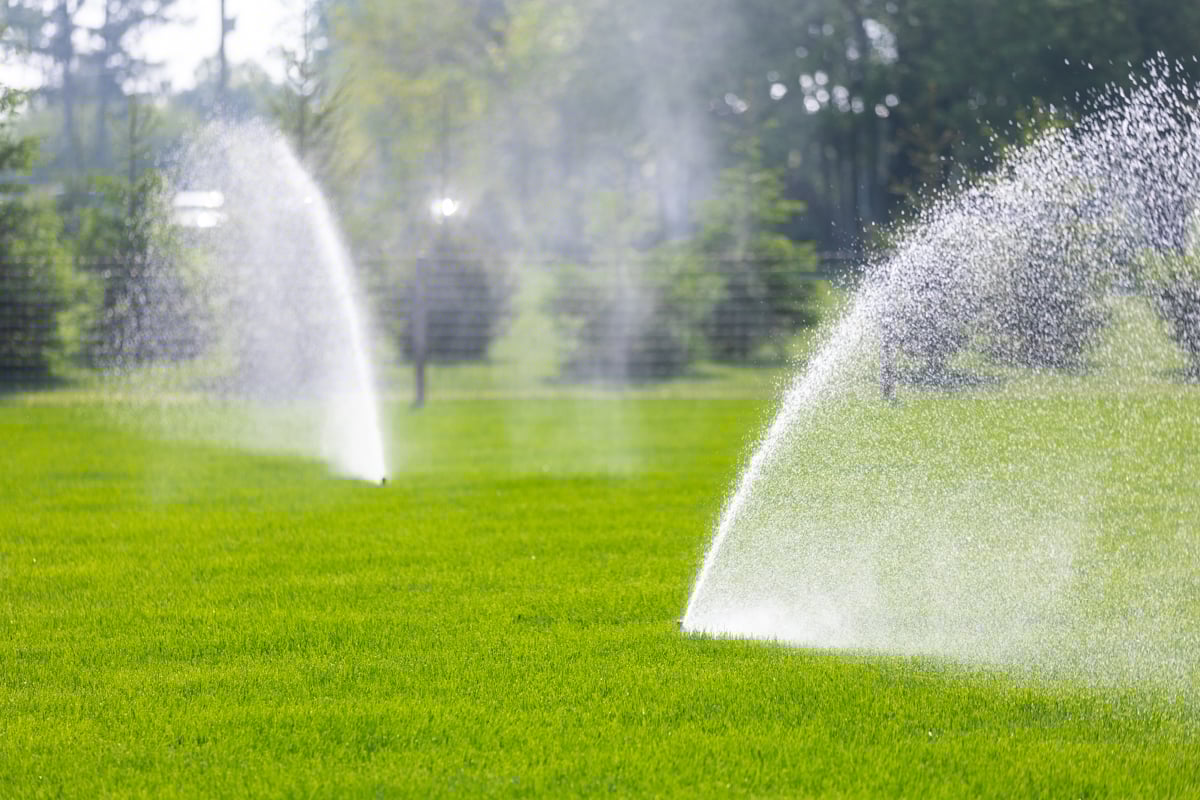
Most soils can only absorb about 0.2- 0.4 inches of water per hour. If sprinklers are applying more than that, the excess runs off or pools on top of the lawn. Remember to adjust your irrigation in early spring and late fall. What worked when establishing your sod often shouldn’t be the default settings all season long. Mid-season irrigation checks help prevent overwatering, which often causes more long-term stress than slight drought.
At the end of the day, one of the biggest factors in landscaping a new home is your expectations. How quickly do you want it to fill in? How uniform do you want it to look?
A thin lawn can slowly improve (or not) over time or it can be accelerated with intentional soil building, strategic overseeding, and the right fertilization plan. There is no universal timeline for a new construction lawn, but there is a clear difference between just hoping it grows and proactively building a dense and healthy turf from the soil up. Much of that difference comes when you work with a lawn care professional who knows what they are looking for.
Need some help navigating your new construction lawn? We’d love to help. Get started today by filling out our contact form.
Envision a Brighter Future for Your New Home's Lawn


Cory is the heart and soul of Shades of Green. His dedication to doing right for our customers has been the driving force behind the company's success. With a degree in Turf Science from Purdue University, Cory continually strives to craft the best treatment plans using the latest technologies and innovative products, ensuring top-notch results for every client.