How to Know it’s Time for a New Lawn Care Service in Indiana

~3 mins
You are doing something for your lawn, so why does it still feel like you are losing the battle?
Maybe you’ve put down a few treatments. Maybe you spot-sprayed those pesky dandelions when they popped up with some Round-Up. Or maybe every spring your lawn looks great for a minute, only to fade, thin out, or fill in with weeds once summer hits. At some point, it becomes hard not to wonder if your lawn needs more. Are you missing something?
Lawns don’t typically fail because homeowners like yourself don’t care. They fail because lawn care is all about timing, consistency, and knowing what the lawn needs before problems show up. Treating it sometimes can actually make things harder, leaving grass underfed, weeds unchecked, and stress piling up season after season. This is why full-service lawn care programs exist: not to overdo it, but to support your lawn through each season.
Let’s break down what full-service lawn care really means, the science behind when treatments work best, what happens when applications are skipped, and why year-round consistency is especially important here in Indiana.
Jump To:
What is "Full-Service" Lawn Care?
What is the Science Behind Timing Lawn Treatments?
What to Expect if You Skip Lawn Treatments
Why a Year-Round Lawn Care Plan is Essential
Partnering with Shades of Green for Lawn Care
Full-service lawn care is about combining everything your lawn needs, like weed control, fertilization, aeration, overseeding, soil health, and seasonal adjustments, into one cohesive plan. Instead of treating problems as they pop up, the goal is to stay ahead of them and build a lawn that is healthier and thicker over time.
One of the biggest advantages of a full program is consistency. Your lawn changes fast, especially during Indiana summers. A yard that looks great today can look stressed, thin, or weedy just a couple of weeks later, thanks to heat, rain, mowing habits, or watering issues. With a full-service approach, professionals are on your property every few weeks, physically monitoring what’s happening and adjusting treatments as needed.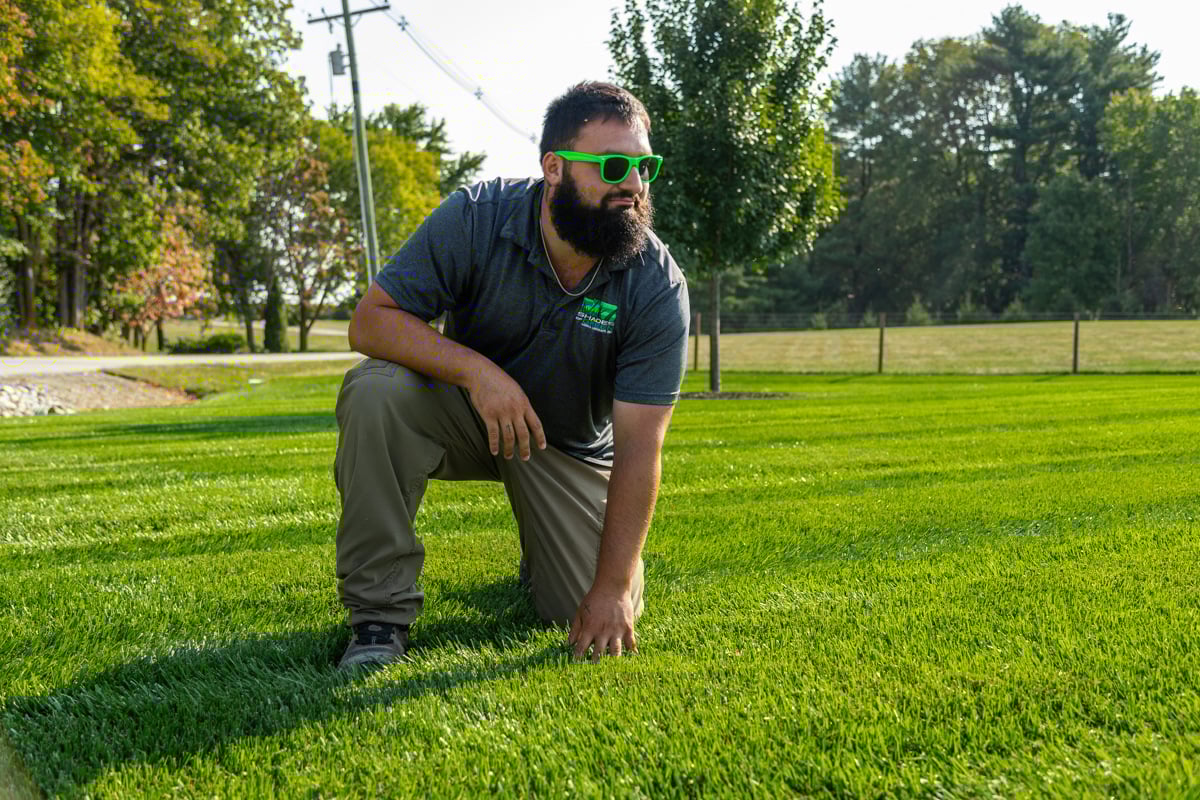
The regular presence also means you are not left guessing. Maybe your mower deck is set too low, or your grass needs more (or less) water. A full-service lawn care program for Indiana allows for real-time feedback and practical tips so you are not left to tackle everything on your own.
If lawn care were as simple as just spraying the weeds when you see them, everyone would have a perfect yard. But timing matters just as much as what you spray, and that is the science behind a well-built lawn care plan.
It starts earlier than most people think here in Indiana. The first pre-emergent application actually goes down in the late fall, not spring. By the time spring rolls around, things like crabgrass are already getting ready to germinate. Because temperatures can swing from freezing to 80 degrees almost overnight and spring weather is often windy, wet, and unpredictable, waiting until the spring can leave you scrambling to beat crabgrass. Lawns need time to dry before treatments can properly bond to the soil, and pre-emergents won’t work as well if the ground is saturated.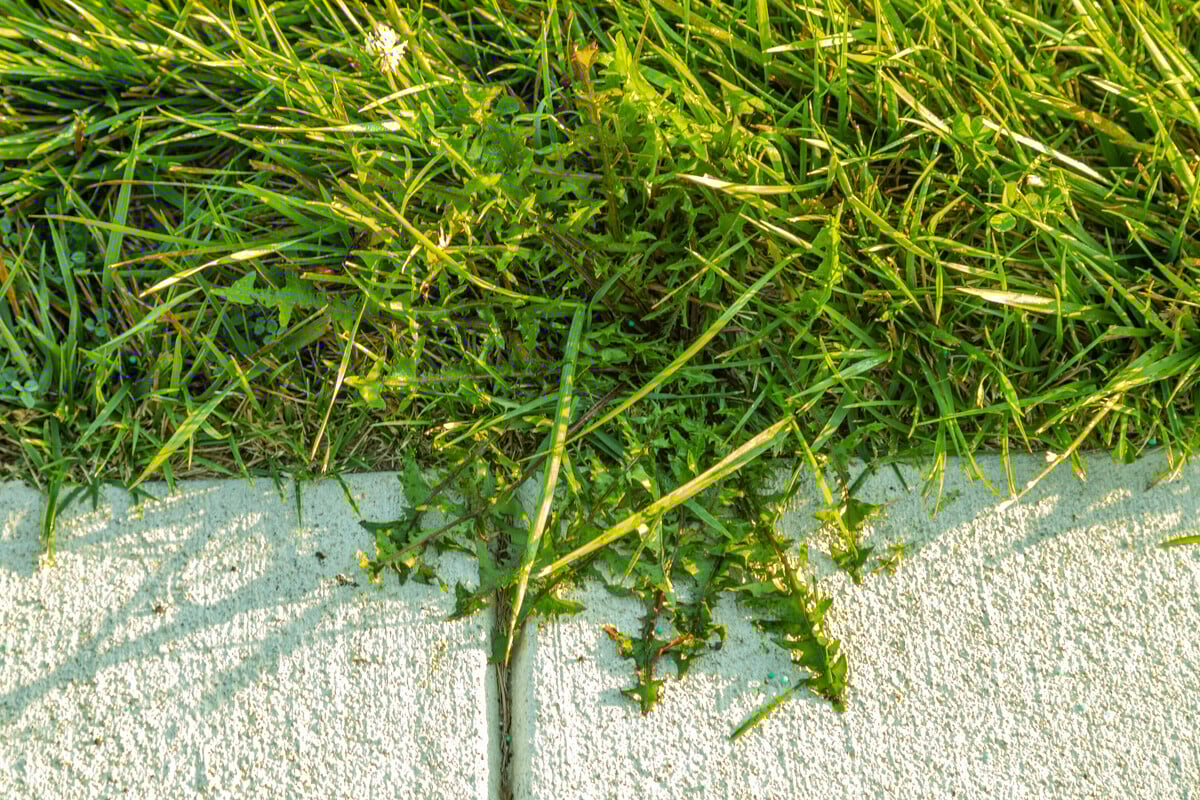
While spring is the time when most weeds are visible, it is ironically the worst time to fully kill weeds. When weeds like dandelions are popping up and flowering, their main goal is survival and reproduction. All their energy is going into producing flowers and seeds. Spraying at this point mostly burns down the flower, not the entire plant.
This is why a full lawn care plan focuses on managing appearance and long-term results. In spring, herbicides can stop weeds from flowering and spreading, keeping your lawn looking cleaner. Then, when the timing is right, treatments can come back and target the entire plant more effectively.
Fall is where the real magic happens. After the first frost, lawns and weeds are still green and active, but they have shifted into storage mode. Think of it like eating a bowl of pasta and going to bed; whatever isn’t burned is stored. When fertilizer or weed control is applied during this phase, plants pull those products down into their roots. That means fertilizer strengthens grass for next year, and weed control can kill the entire weed from the roots up. This fall application is key, especially in the first year of a lawn care program.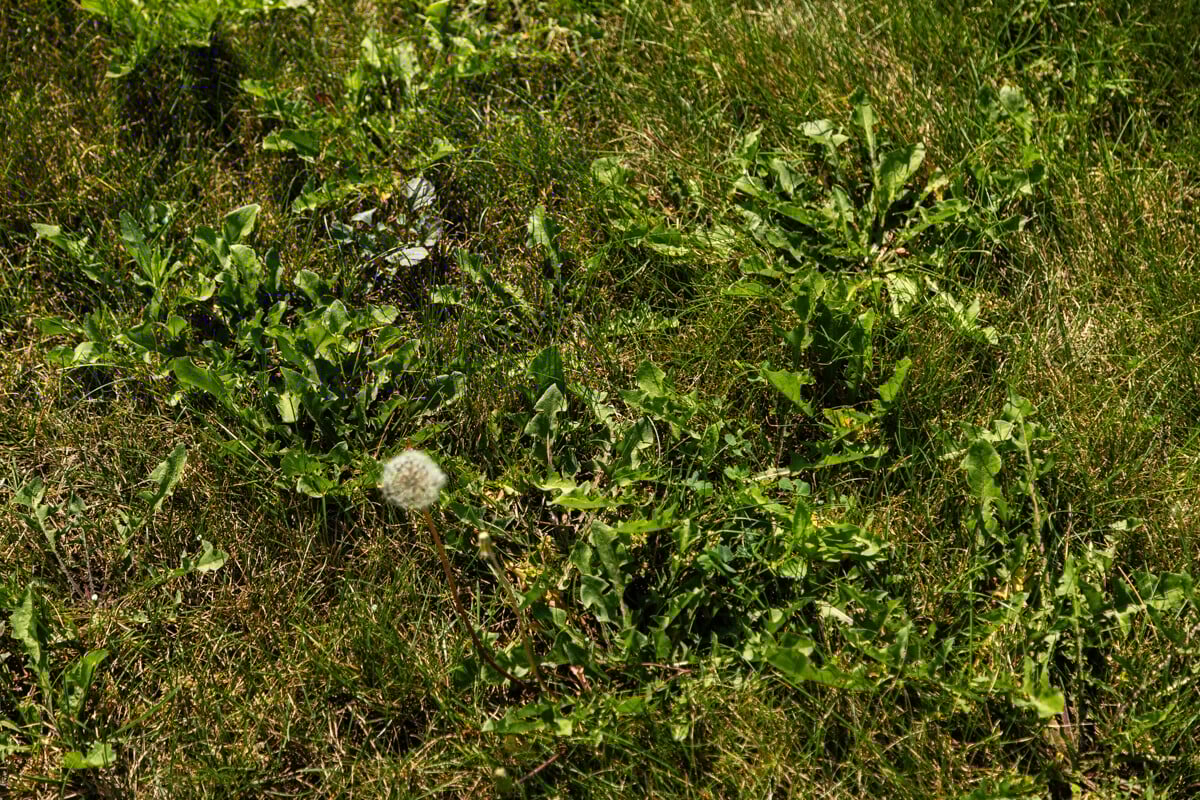
Summer treatments often get overlooked, but they are still critical. Some bare-bones lawn care programs focus only on spring and fall, with very little nutrition in between. Grass needs steady feeding all season long. You can’t force growth early on without consequences. Pushing too much growth with fertilizer in the spring pulls energy from the roots, weakening the lawn when summer heat arrives. A smart plan uses lighter, well-timed summer fertilization to keep the lawn healthy and better able to compete with weeds.
The tricky part is that weeds don’t take breaks. Even a nice lawn will have breakthrough weeds now and then. Crabgrass alone can produce up to 10,000 seeds per plant, which means skipping treatments now just creates a bigger problem next year. Repeated, properly timed applications keep weed pressure manageable instead of overwhelming.
In lawn care, you can’t just throw a product down all at once and expect better results. Grass needs nutrients spread out over time, in the right amounts. Expecting a thin program to deliver a thick, healthy turf is like eating one salad and expecting to lose ten pounds; it just doesn’t work that way.
So, how many lawn treatments do you need per year? At Shades of Green, we recommend seven. A full-service lawn care plan focuses on covering all the critical growth phases throughout the year, preventing weeds before they start, feeding grass when it most needs the nutrients, supporting it through summer stress, and finishing strong in the fall so it can store energy for next season.
Skipping lawn care applications might not seem like a big deal at first, especially when the lawn looks great in the spring. But once that early growth flush fades and summer stress kicks in, the gaps start to show. Grass that is not consistently fed becomes weaker, thins out, and often begins to yellow. That weak turf creates the perfect opening for weeds to break through.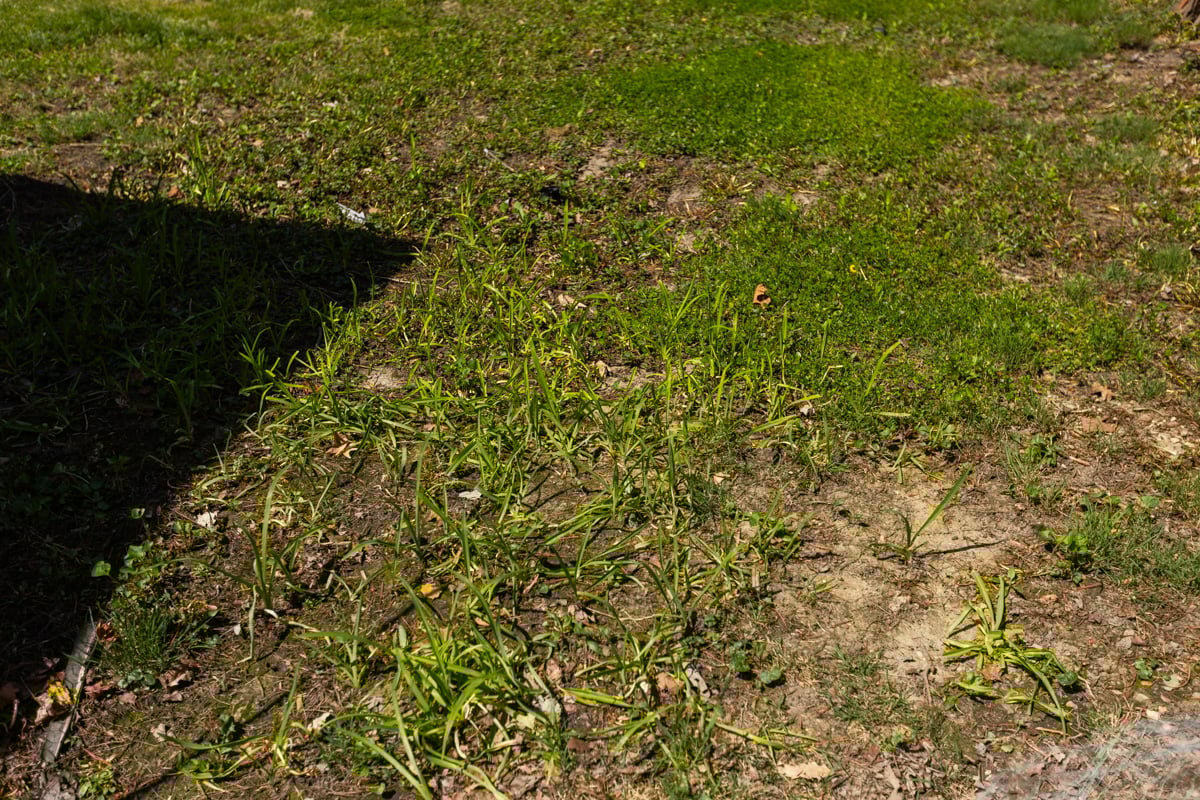
Missing key treatments, like round two, when grub control and other lawn pest protections go down, can leave your lawn exposed. A stressed lawn is much more prone to insect damage and disease, and once those issues take hold, it is hard for the grass to bounce back. It is a lot like getting the flu. If you are healthy, recovery is faster. If you are already run down, everything hits harder and lasts longer.
The result of skipping treatments is usually the same: a lawn that never really improves. It doesn’t exceed expectations or build strength over the years.
Weather changes quite fast in Indiana, and what works this month, or even this week, might not work a few weeks from now. That’s why a year-round lawn care plan, followed consistently year after year, makes such a big difference.
One reason full programs use more applications is timing. When treatments are spaced 4-6 weeks apart, it allows for adjustments to be made in real time. Stretch that to 6-10 weeks, and you are locked into decisions made far in advance.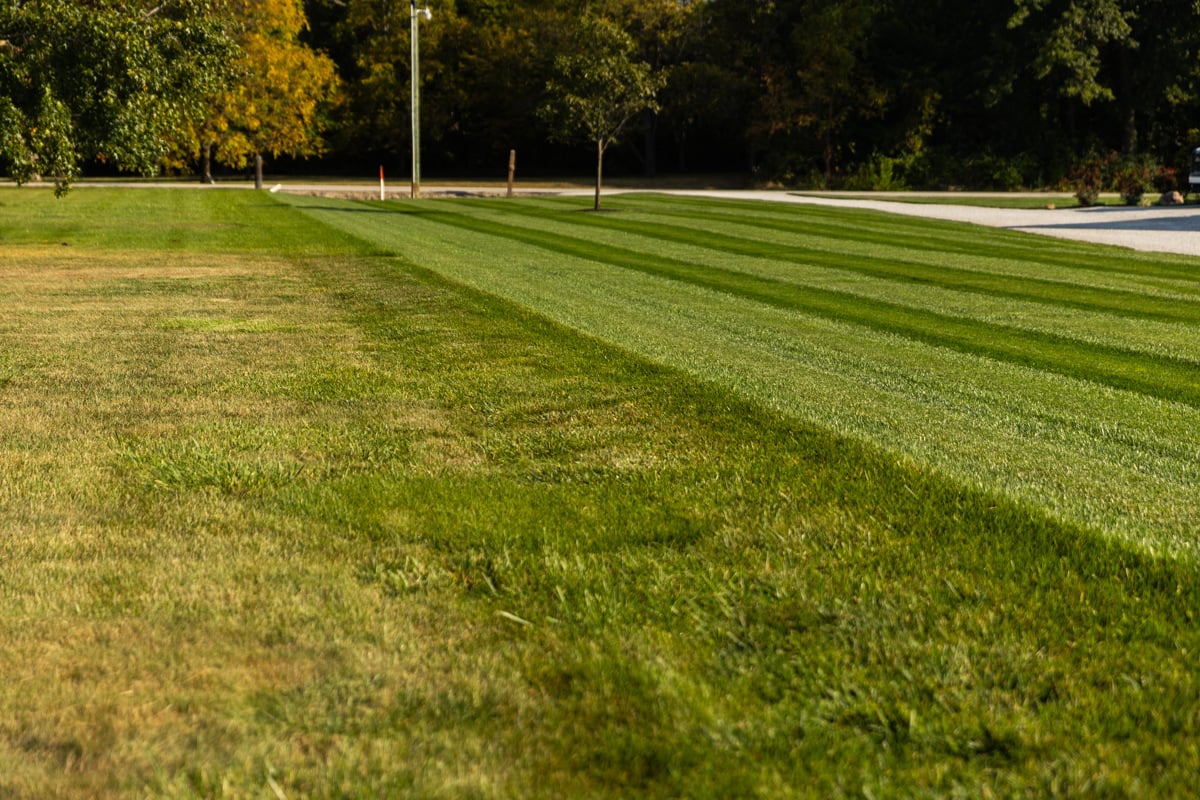
Being on the lawn more often means the plan can adapt. If conditions change, treatments can be tweaked on the spot, kind of like calling an audible when something unexpected shows up. That flexibility matters. The fall of 2025 is a great example: hot, dry conditions meant fertilizer rates needed to be backed down to avoid stressing out the turf. As temperatures cooled, applications were slowly ramped back up, leading to much, much better results than a one-size-fits-all approach could ever hope to achieve.
A healthy, beautiful lawn doesn't happen by accident, especially in Indiana. It takes the right timing, consistent care, and a plan that can adapt as conditions change. And this is where a full-service lawn care approach really shines. If you are looking for a lawn care program that is built for real-world weather and real lawns, we would love to be in your corner.
At Shades of Green, we believe that full lawn care programs are so crucial to the success of Indiana lawns that we don’t offer partial or à la carte services. Lawn care works best as a complete, season-long plan, and skipping applications often leads to inconsistent results that we simply can’t stand behind.
While some providers offer reduced programs with fewer applications, we’ve seen firsthand what happens when you skip key treatments: weaker, duller grass that struggles to build strength and fight weeds, perpetually in a state of “just okay” - or worse. That’s not the outcome our customers deserve and it’s not a standard we’re willing to put our name on. For those looking to truly transform their lawn, you can’t afford to skimp on treatments.
Our full-service approach allows us to deliver healthier, thicker lawns by addressing each stage of growth at the right time. If you’re serious about improving your lawn and want a plan designed for real Indiana conditions, fill out our contact form today and let’s get started. We can’t wait to help.
Envision a Brighter Future for Your Lawn


Cory is the heart and soul of Shades of Green. His dedication to doing right for our customers has been the driving force behind the company's success. With a degree in Turf Science from Purdue University, Cory continually strives to craft the best treatment plans using the latest technologies and innovative products, ensuring top-notch results for every client.