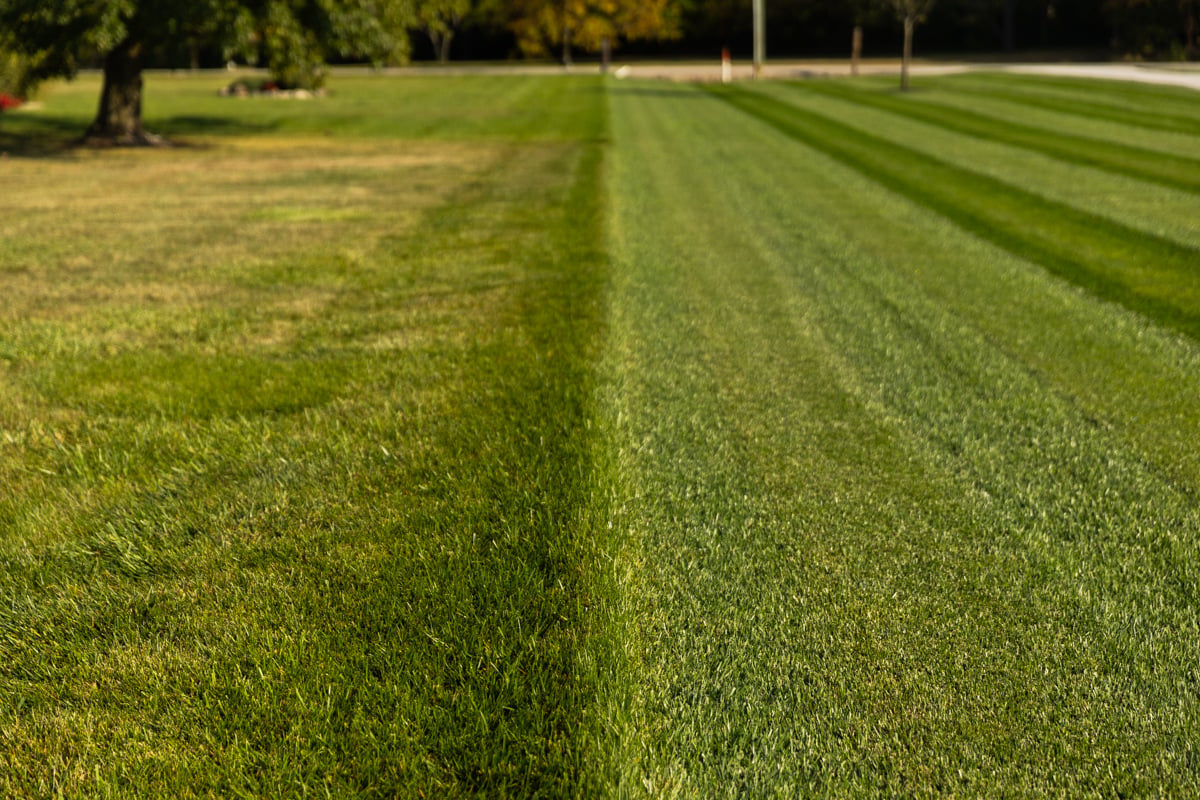
Protect Your Lawn: 8 Tips to Keep Neighbor Weeds Out

~4 mins
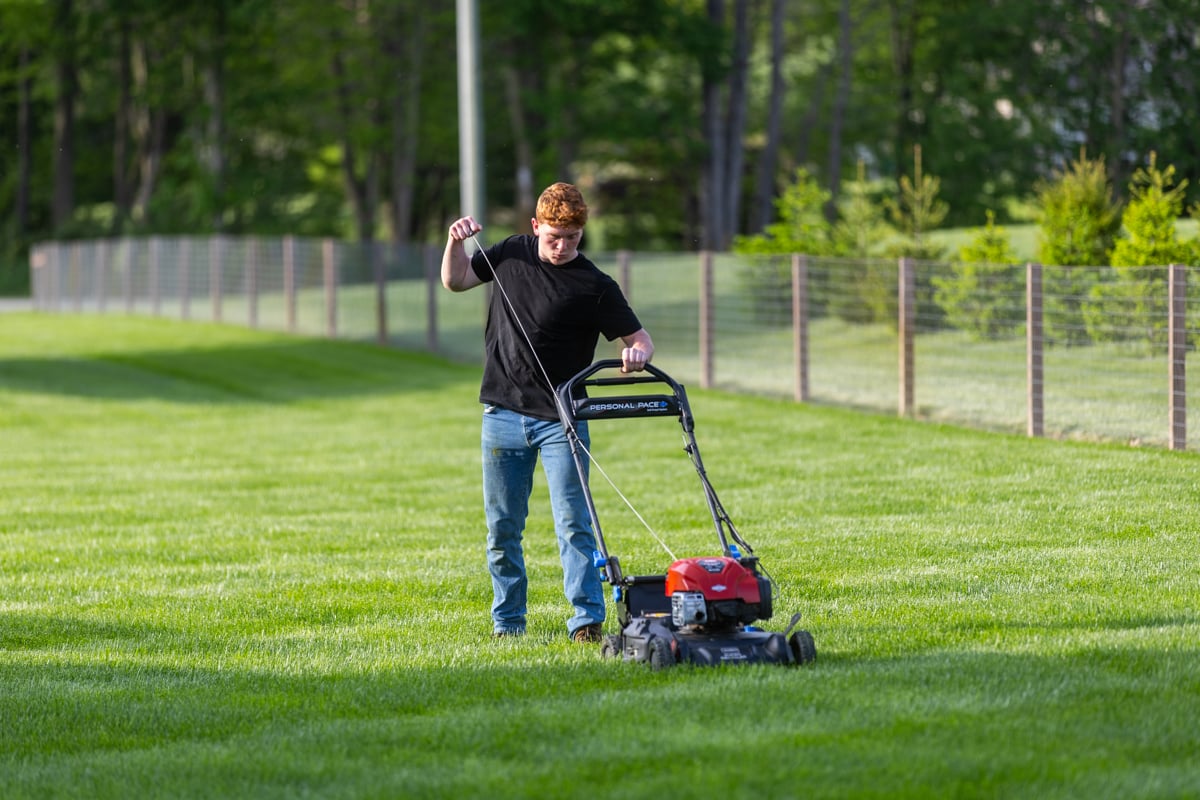
Ever feel like mowing your lawn is one big guessing game? Cut it short so you don’t have to mow again for a while? Leave it long so it looks better? If you are anything like most homeowners in Indiana, you just want a lawn that looks good without feeling like you need to spend hours researching the ideal grass-cutting height.
Here’s the good news: the proper mowing height isn’t a mystery at all. For Indiana lawns, keeping your grass in the 3-4-inch range, regardless of the type of grass you have, is the sweet spot.
Let’s break down why mowing height matters so much and answer all of your lawn mowing season questions so you know exactly how to keep your lawn looking great.
What We’ll Cover:
How Does Grass Height Impact My Lawn’s Health?
Lawn Mowing Season: Your Questions, Answered
Should I Change My Grass Height at the End of the Season?
Partnering with Shades of Green for Lawn Care
Did you know that mowing height is one of the biggest influences on the entire health of your lawn? Keeping your grass a little taller creates a stronger, thicker, and more resilient yard. Here’s why your mowing height matters so much:
A taller grass blade supports deeper root development. When you cut the lawn too short, the plant shifts all of its energy into rebuilding the leaf instead of strengthening the roots. With consistent mowing at the proper height, your turf can push roots deeper into the soil, making it better at accessing nutrients, staying green through dry stretches, and holding up to everyday use.
Weeds love sunlight, so the more soil you shade, the fewer weeds you’ll fight. Taller grass acts like a natural weed barrier by blocking sunlight from reaching weed seeds. That thicker canopy is your best defense against crabgrass, dandelions, and other invaders, which means less frustration and fewer chemical treatments needed over time.
Indiana summers can swing between humid and dry, and taller grass helps your lawn handle it all. Longer blades provide shade for the soil, which slows evaporation and helps the turf hold onto moisture longer. That means less stress, fewer brown patches, and more efficient watering, especially during those hot stretches when your lawn needs all the help it can get.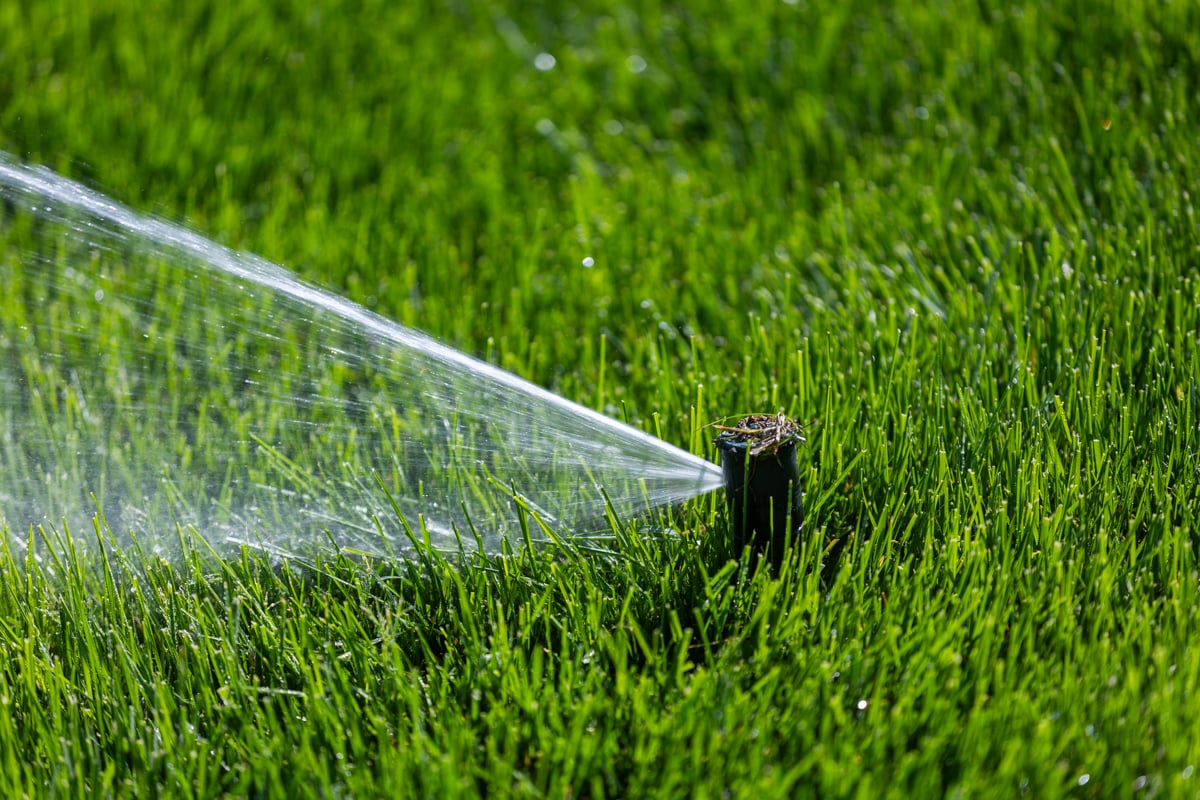
Every year when mowing season rolls around, you may start wondering if you are doing things right. Should you cut your grass shorter so you don’t have to mow as often? How frequently should you mow? And is there a right way to care for your lawn that keeps it healthy and not stressed?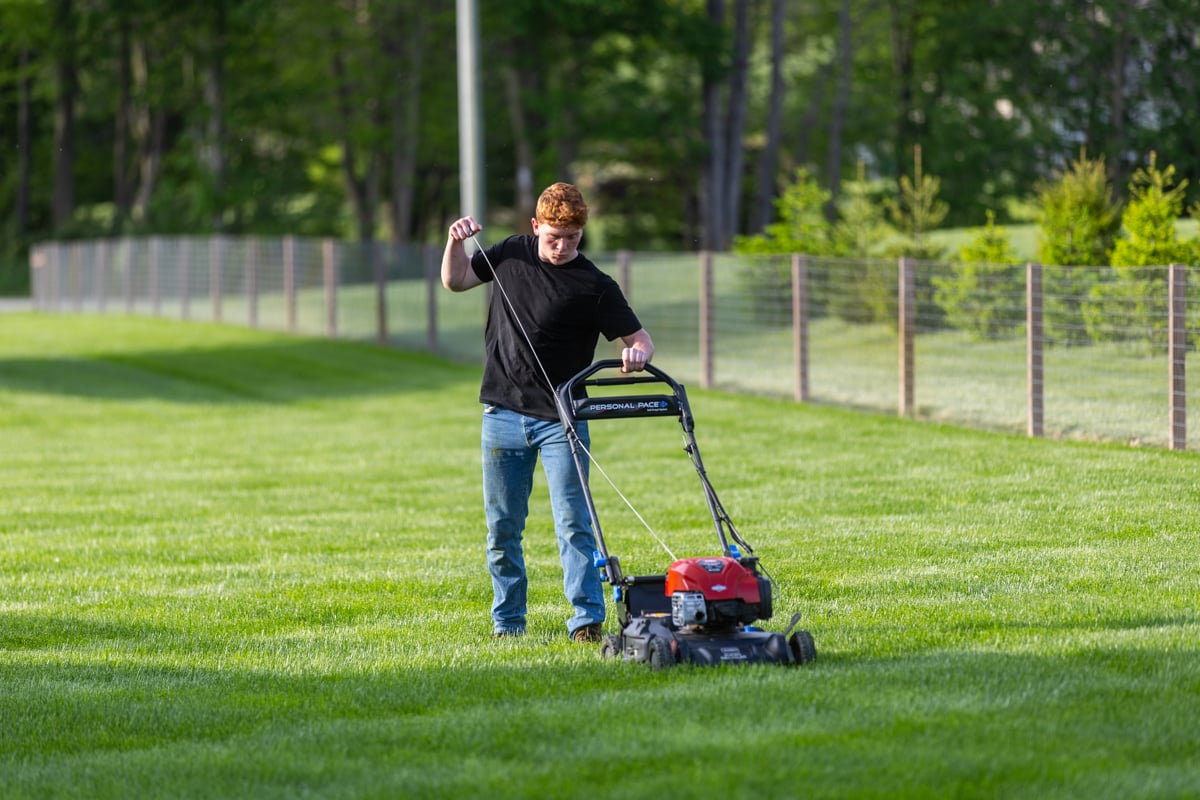
Let’s break down the most common mowing questions we hear at Shades of Green so you can head into the season confident, informed, and set up for success.
A good rule of thumb is to mow about once a week during the active growing seasons. The real key is following the “one-third rule”, which is to never remove more than one-third of the grass blade at a time. This protects your turf from stress and keeps it growing thick and healthy. Whenever you mow your lawn, make sure you are using a sharpened blade to avoid damaging the grass - dull mower blades rip the plants and cause extra stress.
In the heat of summer, which is typically the time you think you need to mow the most, mowing one time a week is enough. The heat and stress of warmer weather mean growth actually slows.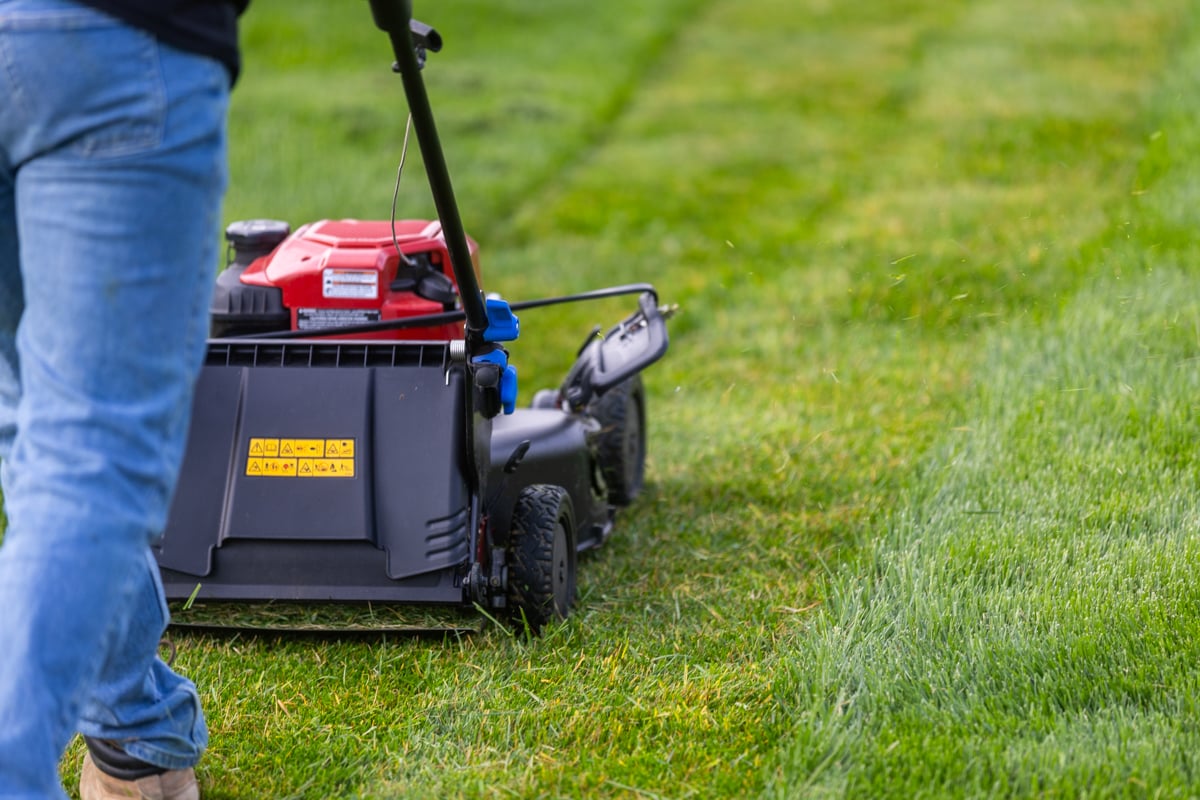
In summer, especially during our hottest stretches, your lawn doesn’t grow as quickly. Typically, mowing one time a week is exactly what your lawn needs throughout the summer. However, when temperatures climb into the high 80s and 90s or rainfall becomes scarce, it is actually healthier to skip a week if the grass is not growing much.
Mowing stressed, heat-weary turf can cause even more damage. Instead, wait until the grass has enough growth to safely remove no more than one-third of the blade. This helps protect the turf, conserve moisture, and keep your lawn from developing brown, brittle patches in the summer heat.
Cutting your lawn too short is one of the fastest ways to weaken it. While you may think a shorter cut means fewer mowing sessions, it actually creates more long-term problems. For Indiana’s cool-season grasses, keeping your lawn in the 3-4 inch range is ideal for healthier growth, stronger color, and better overall turf performance.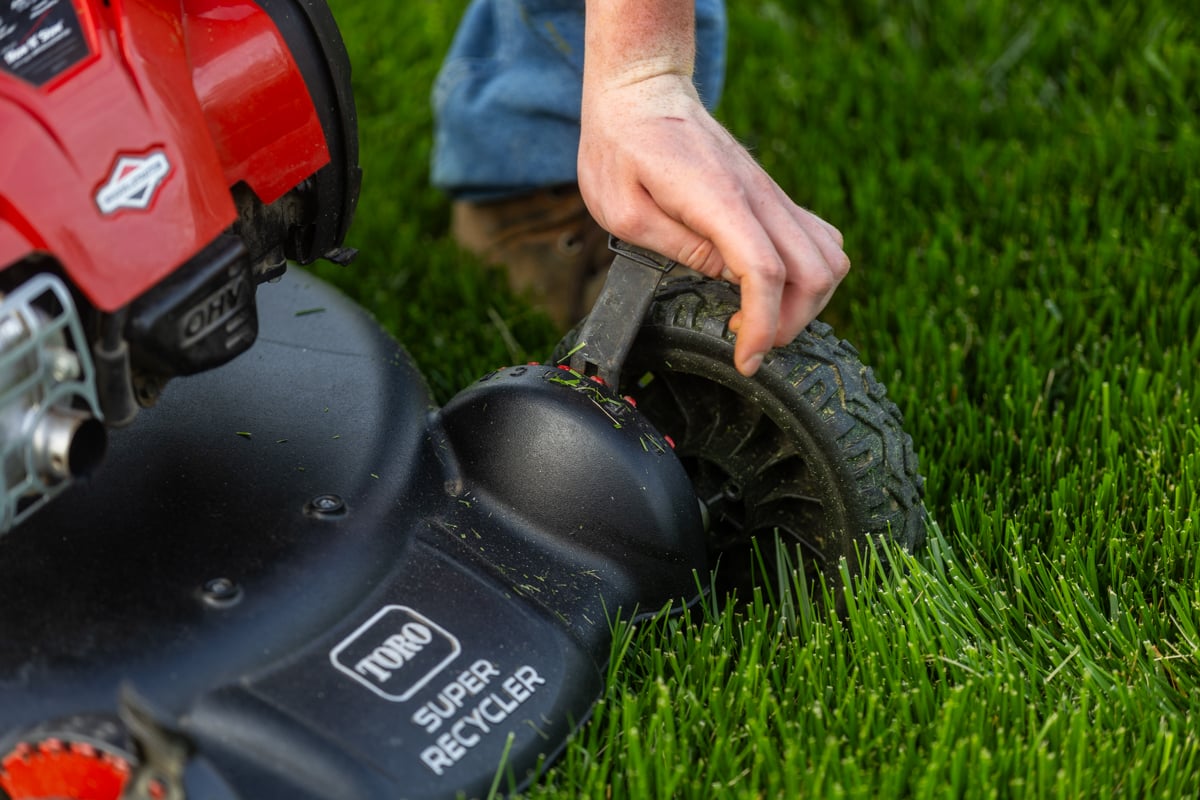
If your lawn is being cut too short, it will start sending up warning signs. Here’s what to watch for:
Keeping your lawn at 3-4 inches is one of the most effective ways to naturally reduce weeds. At this height, the grass shades the soil, blocking sunlight from reaching weed seeds, and creates a thick canopy that makes it harder for weeds to germinate.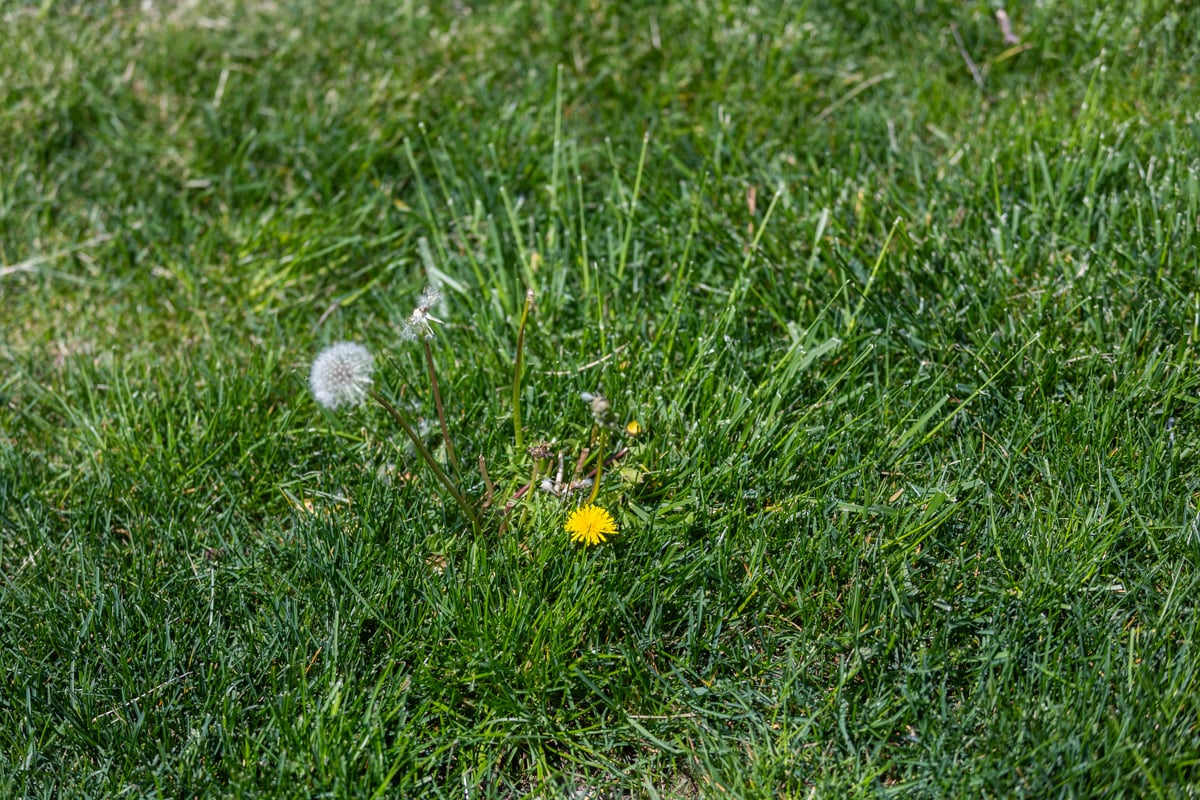
For Turf-Type Tall Fescue and Kentucky Bluegrass, the ideal grass cutting height is around 3 ½ inches, though anything in the 3-4 inch range works well depending on your preference. If you prefer your turf a touch taller or shorter, just make sure you stay within that window to keep your grass healthy and resilient.
Taller mowing directly supports deeper root growth. That’s why golf putting greens, which are mowed extremely short, have very shallow roots. With Tall Fescue and Kentucky Bluegrass, cutting higher allows the roots to grow deeper, improving drought tolerance and overall lawn strength. While root depth eventually levels off, keeping your mowing height in the recommended range gives your lawn the best chance to thrive.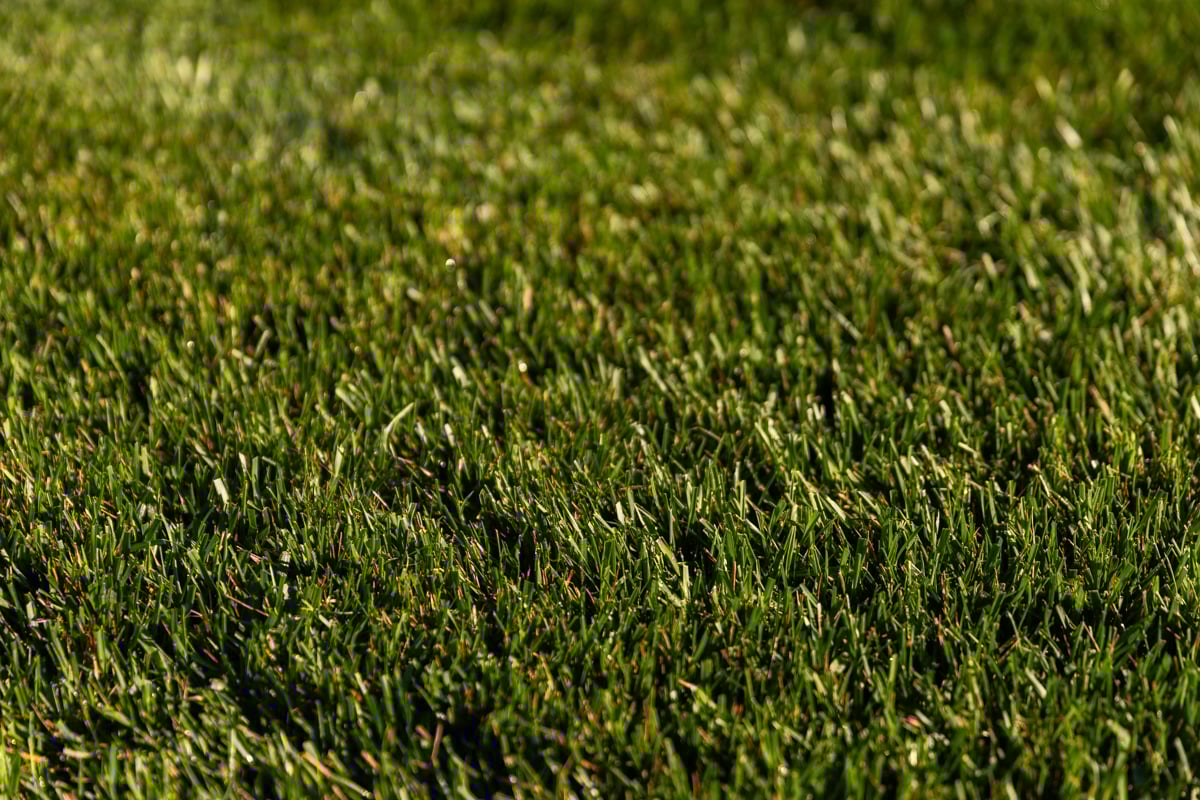
It’s best to keep your mowing height consistent as the season winds down. It is a common misconception that you should cut your lawn shorter in the fall, as mowing too low actually does more harm than good. While extremely tall grass can mat down and increase the risk of snow mold, that typically only happens when the lawn is very overgrown. For normal, well-maintained turf, sticking with your usual 3-4 inch height is the healthiest approach.
Cutting the lawn short in the fall, down to 2 ½ inches or lower, interrupts the plant’s ability to photosynthesize at a time when it desperately needs energy before winter. Once your grass adjusts to a certain height, it builds a dense canopy and grows to maintain it. Dropping the height suddenly thins the turf, stresses the plant, and forces it to regrow when temperatures are already too cold for proper recovery.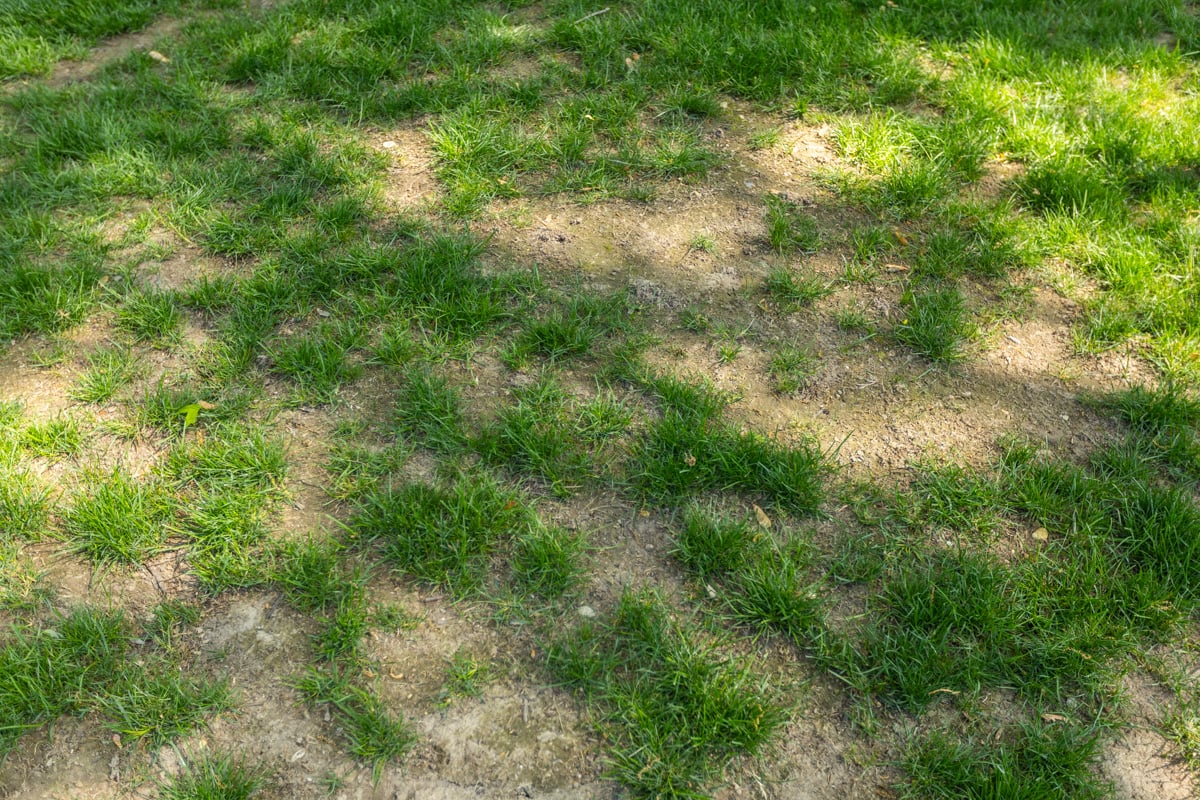
Think of it like trying to drink a thick smoothie through a coffee stirrer. It is forcing your lawn to work harder than it should. Keeping your mowing height steady gives your grass the energy it needs to head into winter strong and healthy.
Keeping your turf at the right height supports deeper roots, improves moisture retention, and naturally blocks out weeds. Pair that with a thoughtful, seasonally-timed lawn care program, and you’ll have a yard that is thicker, greener, and far easier to maintain year-round.
At Shades of Green, it is our goal to make that process simple. Our team not only delivers high-quality, customized lawn treatments, but we guide you on the best mowing, watering, and seasonal practices so your lawn stays healthy between visits. When you partner with us, you are getting more than just a lawn service; you are getting a knowledgeable ally for every part of caring for your lawn.
Ready to partner with Shades of Green for lawn care services? Get started by filling out our contact form.

Envision a Brighter Future for Your Lawn


Cory is the heart and soul of Shades of Green. His dedication to doing right for our customers has been the driving force behind the company's success. With a degree in Turf Science from Purdue University, Cory continually strives to craft the best treatment plans using the latest technologies and innovative products, ensuring top-notch results for every client.