Which Indiana Grass Types Get Which Lawn Diseases?

~5 mins
We know that lawn disease can make homeowners panic. There are few things more frustrating than suddenly seeing discoloration and brown patches spreading through your beloved turf. That’s why a lot of people want to know how to prevent fungus in their lawn.
The bad news is that not ALL cases of lawn fungus can be completely prevented. You can do all the right things and still be struck if the conditions are just right. After all, the weather is out of your control and we want to set folks up with realistic expectations.
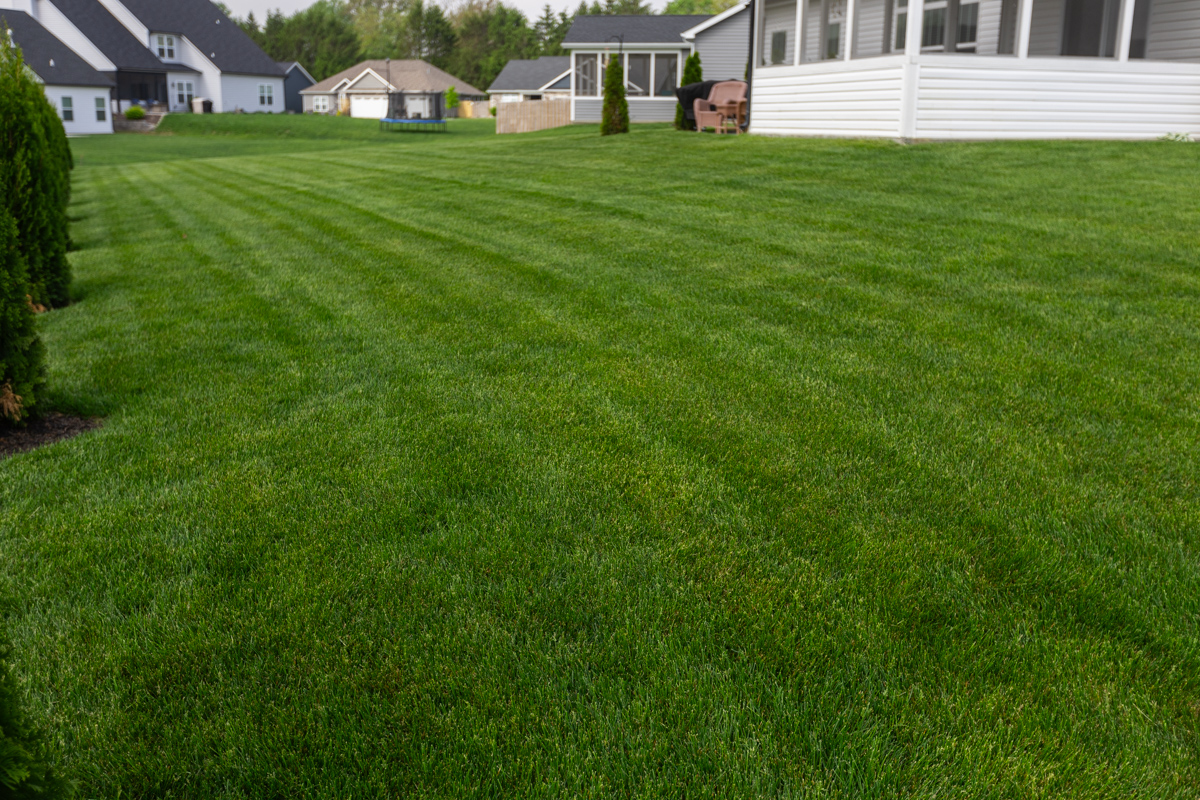
But the good news is that when you do take the right steps and practice proper lawn care, you can reduce your risk and even potentially prevent lawn disease from occurring.
In this article, we’ll share all of the important things that you need to know about cultural practices that will assist lawn disease prevention.
Jump to:
Why Lawn Diseases Develop
Common Lawn Diseases in Indiana
5 Ways to Control Lawn Disease
When are Fungicides Appropriate in Indiana?
FAQs on Lawn Disease Control
Choosing Lawn Care in Lafayette and Nearby Areas
In order to understand why lawn diseases develop in the first place, you have to understand something called the Turf Disease Triangle. Just like 3 sides need to be present to form a triangle, there are 3 factors that need to be present in order for turf disease to develop.
These factors are:
A disease-causing organism (lawn fungus)
A susceptible host (the specific grass species)
A favorable environment (moist and hot weather)
Removing or changing even one of these factors can impact whether or not lawn disease takes over. The trouble is, you obviously can’t control the weather and you probably already have an established lawn with a certain grass type. Plus, naturally-occurring fungi already exist in the lawn. It’s only when those fungus spores get out of control that you can start to have problems.
However, there are factors within your control that can impact lawn disease control. For instance, you might not be able to control a humid day but you can choose not to overwater the lawn. And, you might already have an established lawn with a certain species, but you can choose to overseed with a more disease-resistant turf type to introduce more resilience and diversity.
We’ll dive more into how these cultural practices can help with disease control for a lawn as we get further into the article. But the key is that it’s about controlling what you can control.
Our hot and humid summers make lawn disease relatively prevalent here in Indiana. While there are several different types of lawn fungus, the three that we see most often are: Red Thread, Dollar Spot, and Brown Patch. Here’s a little bit about what you can expect from each.
Of the three diseases, this is probably the easiest to spot as you’ll notice a pinkish/reddish hue and fine thread-like strands (hence the name) throughout infected areas. Grass also becomes dry and brittle.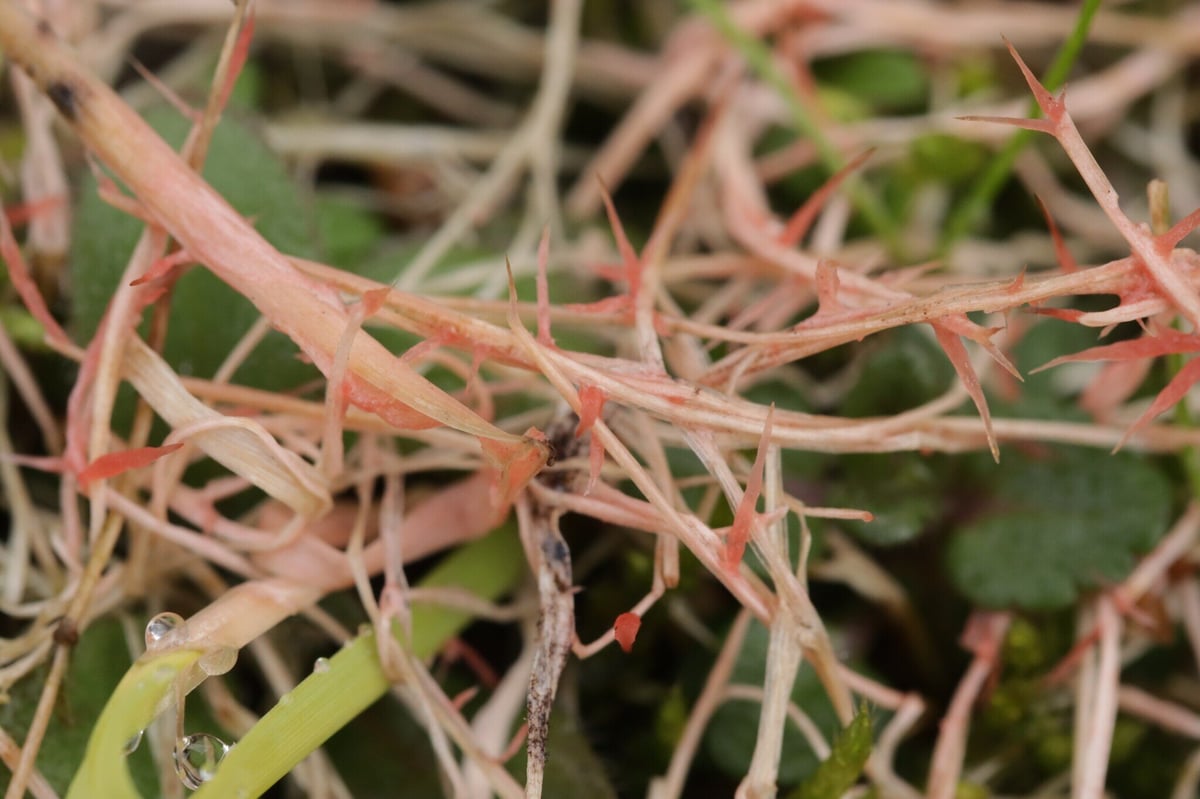
Red Thread thrives in nutrient-poor turf, so making sure your lawn is well-fertilized (especially with nitrogen) is the best long-term defense. If your lawn got hit this year, improving nutrition next season will help keep the disease from coming back.
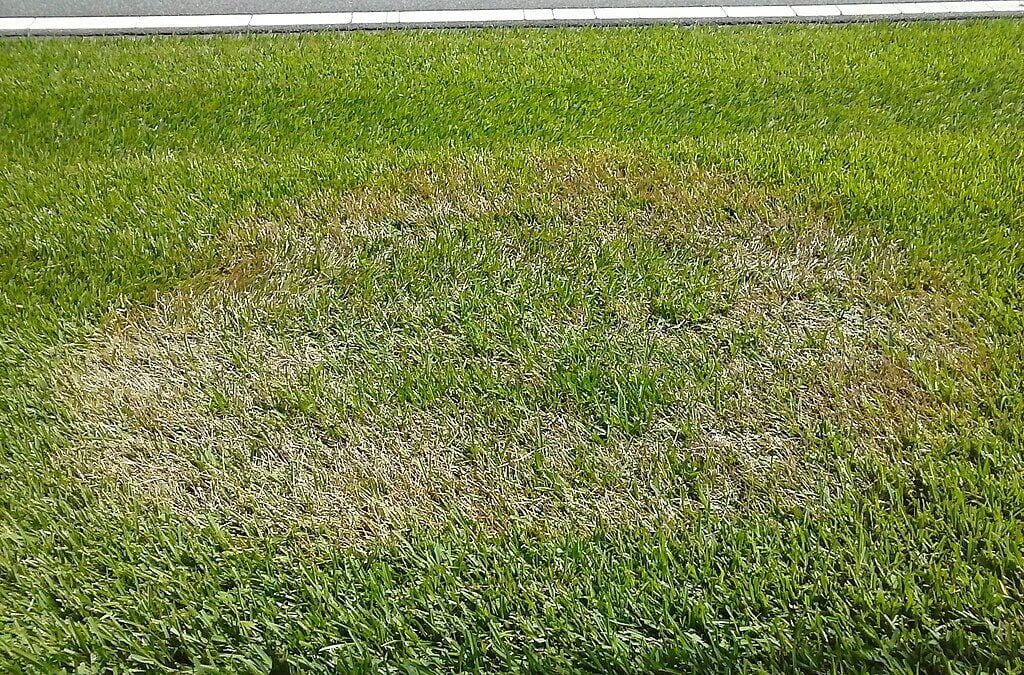
This lawn disease gets its name based on the silver dollar-sized spots that it causes. If your lawn has small, bleached-out spots that seem to multiply or merge into bigger brown areas, there’s a good chance you’re dealing with dollar spot fungus. This turf disease can take a solid lawn and turn it into a patchy mess if you don’t catch it early.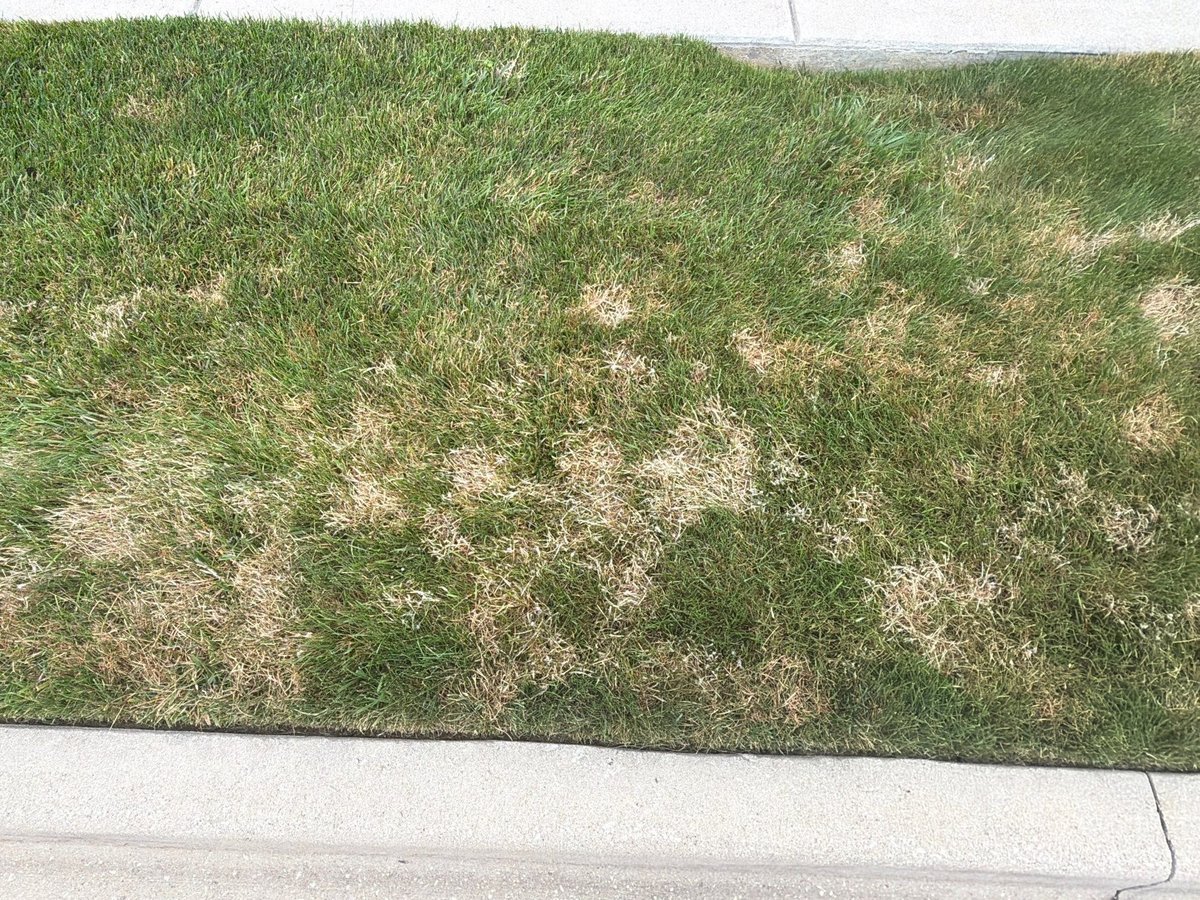
Practicing proper lawn care can play an important role in helping to prevent Dollar Spot. This disease loves nitrogen-deficient turf, so regular fertilization is key. Keeping your lawn well-nourished makes it hard for Dollar Spot to take hold.
Brown Patch is a fungal disease that affects all cool-season grasses. It loves hot, humid weather and tends to show up when nitrogen levels are a little too high, making it important that you’re getting fertilization amounts just right.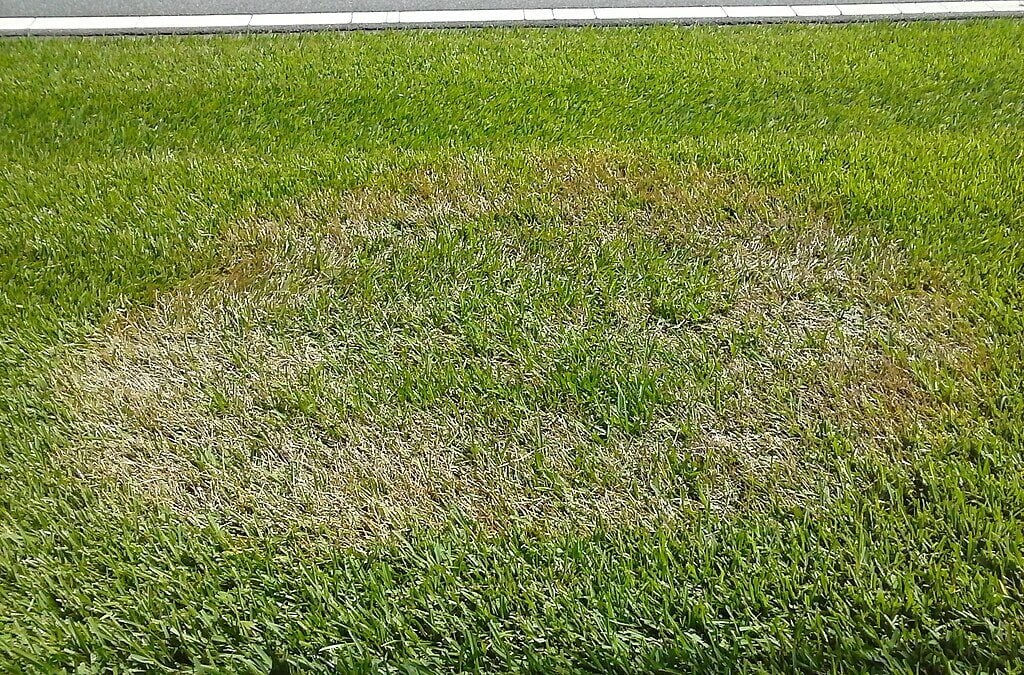
This disease spreads fast in hot, muggy conditions, especially if your lawn is overloaded with nitrogen from fertilization.
Practicing proper lawn care can go a long way in approaching how to prevent lawn disease or at least ensuring it doesn’t get out of control.
Watering is a common practice that can unintentionally fuel the spread of lawn fungus. In fact, we sometimes advise homeowners that, when in doubt, it’s better for your lawn to lean on the dry side than it is to fall into being overly wet...especially in the spring and summer when hot/wet weather can trigger the overgrowth of fungus.
It is important to avoid watering in the early evening when moisture lingers overnight. Instead, water in the morning so your lawn has time to dry during the day.
You also want to be careful about over-watering. Your lawn shouldn’t be soggy and squishy after a watering session. If it’s holding onto too much water, you could create conditions that are optimal for fungal growth.
Lawn mowing actually has a tremendous impact on lawn health, including the possible spread of diseases.
We often advise people to be careful about mowing the lawn too short, as this can put a lot of stress on the grass and make it more susceptible to disease. But you also don’t want to leave the lawn too high as this can prevent it from drying out and contribute to it holding onto water.
Also, be sure to keep your mower blades sharp and avoid mowing when grass is wet, as this can spread the disease. We advise that homeowners rinse off the blades after mowing so that any clippings stuck in there don’t start growing fungus that gets spread around.
Fertilization can also factor into lawn disease control. Like weeds, some diseases thrive on too much nitrogen, others love lawns that don’t have enough. That means getting the amount just right is key.
We liken it to the story of Goldilocks and the Three Bears. The porridges that were too hot or too cold weren’t optimal. It’s the porridge that was “just right” that Goldilocks wanted. Similarly, you want to make sure that you’re not applying too much (or too little) fertilizer to your lawn. Working with a lawn care professional can easily take this burden off your shoulders.
Aerating your lawn can go a long way in lawn disease prevention since it improves air circulation. If your lawn is compacted, aeration can help reduce moisture buildup and improve airflow, making conditions less friendly for the fungus to grow and spread.
We recommend aerating at least annually. When aerating in the fall, we also recommend overseeding, which we’ll talk about next.
Certain grass species are going to be more prone to disease than others. But these days, new turf types are being developed that are increasingly more disease-resistant. Overseeding with new-and-improved grass species can also play an important role in lawn disease control.
When lawn disease has gotten really out of control and you’re worried about it continuing to spread, then lawn fungicides are an option. Of course, it’s important to understand that fungicides only stop a disease from spreading. They do not fix grass that was already damaged.
Often, lawns that are well-cared for and overall healthy can bounce back from a fungus on their own. But in some cases, homeowners opt for treating the lawn with fungicides.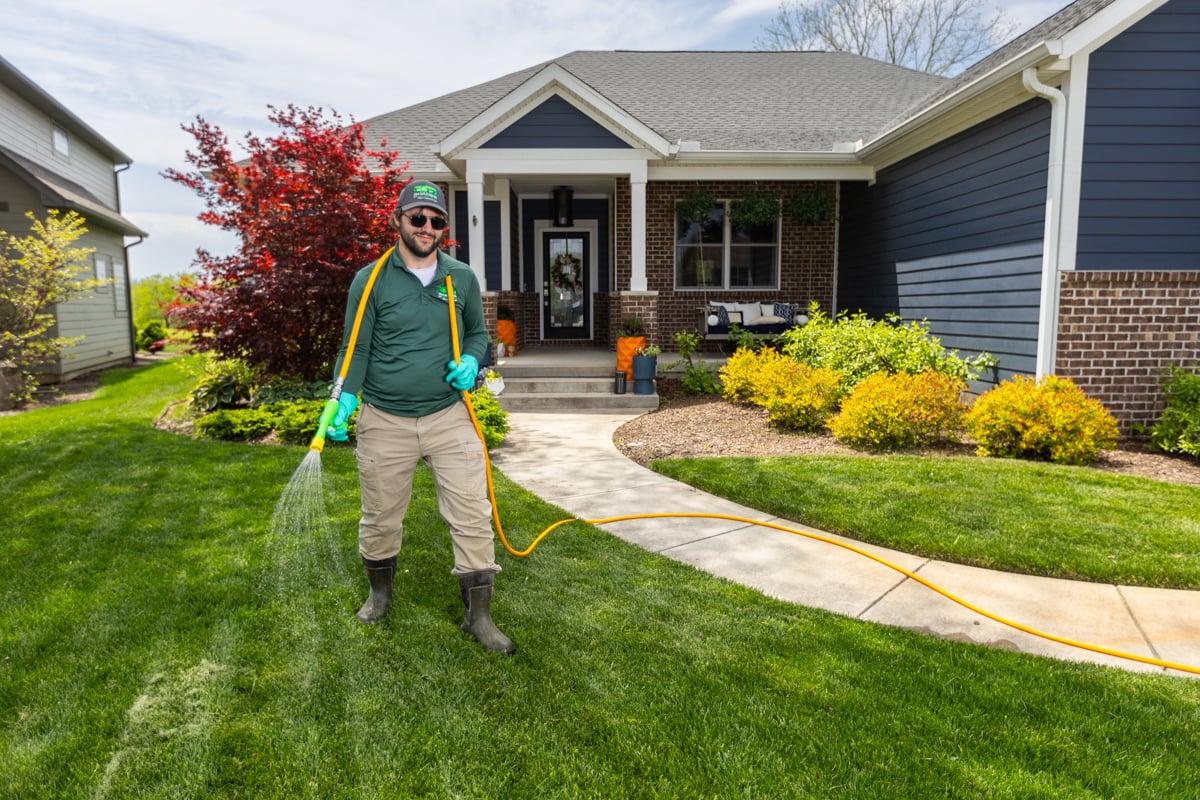
The decision as to whether or not to use a fungicide comes down to your aesthetic tolerance. If you are totally fine with a few brown spots here and there as a part of the natural lawn cycle, you may not need it at all. But if you want a clean and uniform lawn all season, you might lean toward using fungicides. Neither is wrong, but your expectation determines whether fungicide makes sense or not.
Yes, overwatering can increase the risk of lawn disease because fungus thrives in overly wet conditions.
Usually, the decision to use fungicides is a personal one based on your own aesthetic tolerance. Many times, lawns that are well-cared for will bounce back on their own. Remember, if you have an existing lawn fungus problem, fungicides will only stop the spread.
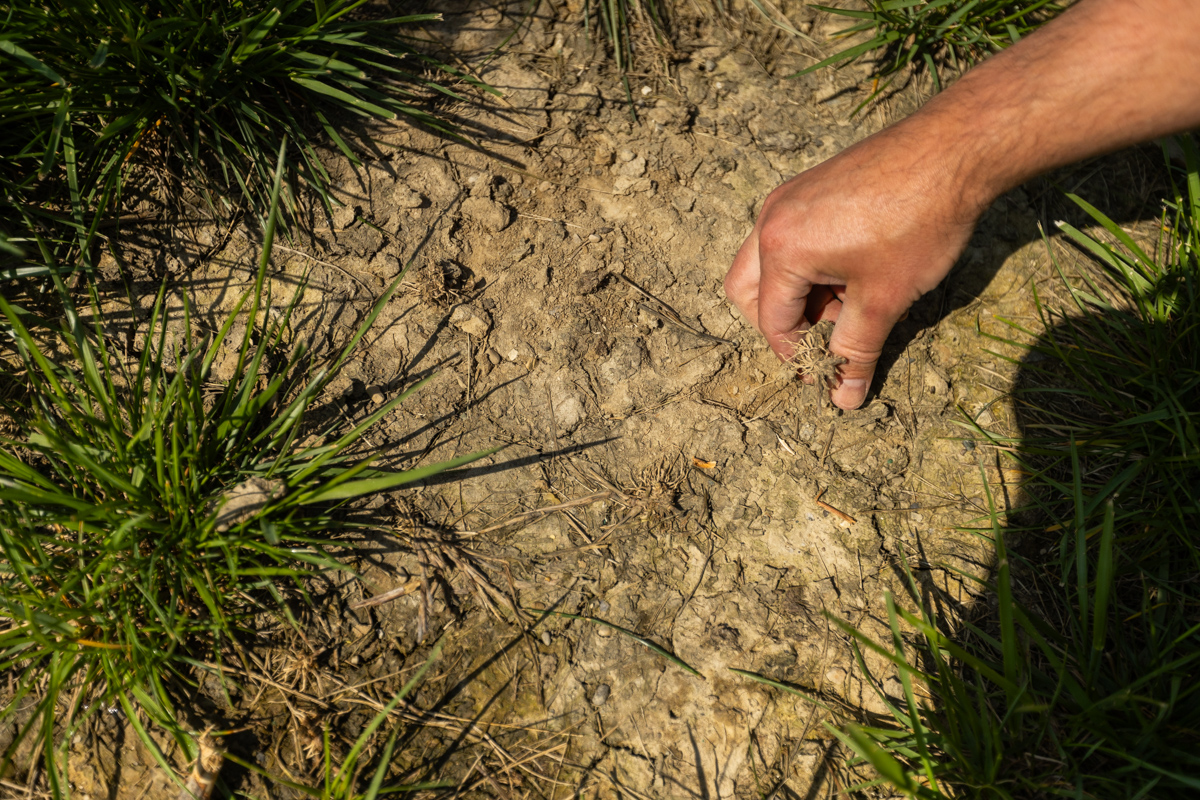
Early signs of lawn disease include discoloration, thin areas, and unusual growth on the grass (like fuzzy or stringy growths).
Yes, core aeration can play a role in preventing lawn fungus from spreading since it improves air circulation. This can make conditions less favorable for fungus.
Lawn disease is just one of many potential problems your beloved turf might face. We know that identifying lawn problems in Indiana isn’t always easy, and guessing wrong can cost you a lot of time, money, and frustration.
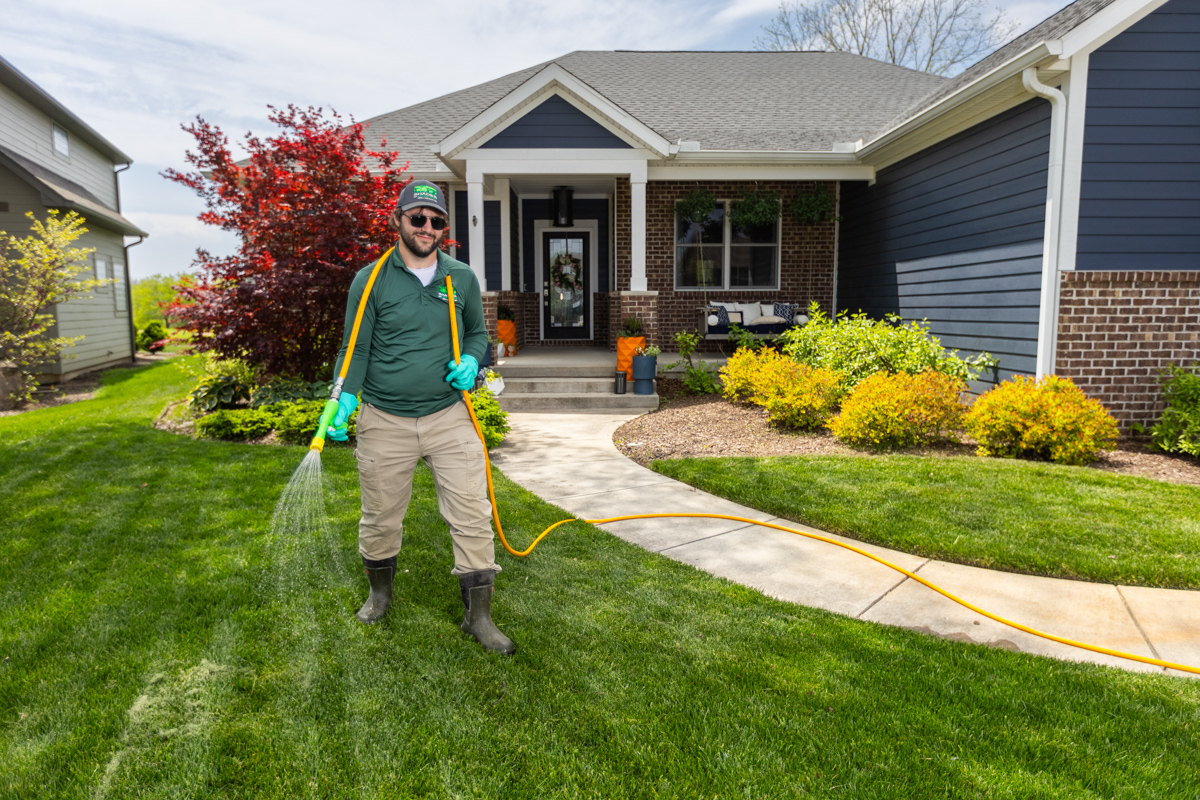
If you’re following a schedule and watering and mowing like a pro, but those patches are still spreading, it’s time to call in the experts. That’s where Shades of Green comes in! We know lawn disease care in Indiana inside and out, and we take the guesswork out of treating lawn diseases.
Whether you need help dialing in a fertilization program to fight off disease, identifying weird spots in your turf, or just want to keep things looking lush and green, our team has your back.
Ready to get your lawn back to being the envy of your Carmel, Westfield, or Noblesville neighborhood? Get started by filling out our contact form today!
Image Sources: red thread lawn disease, brown patch lawn disease
Envision a Brighter Future for Your Lawn


Cory is the heart and soul of Shades of Green. His dedication to doing right for our customers has been the driving force behind the company's success. With a degree in Turf Science from Purdue University, Cory continually strives to craft the best treatment plans using the latest technologies and innovative products, ensuring top-notch results for every client.