When and Why to Use Lawn Fungicide in Indiana

~5 mins
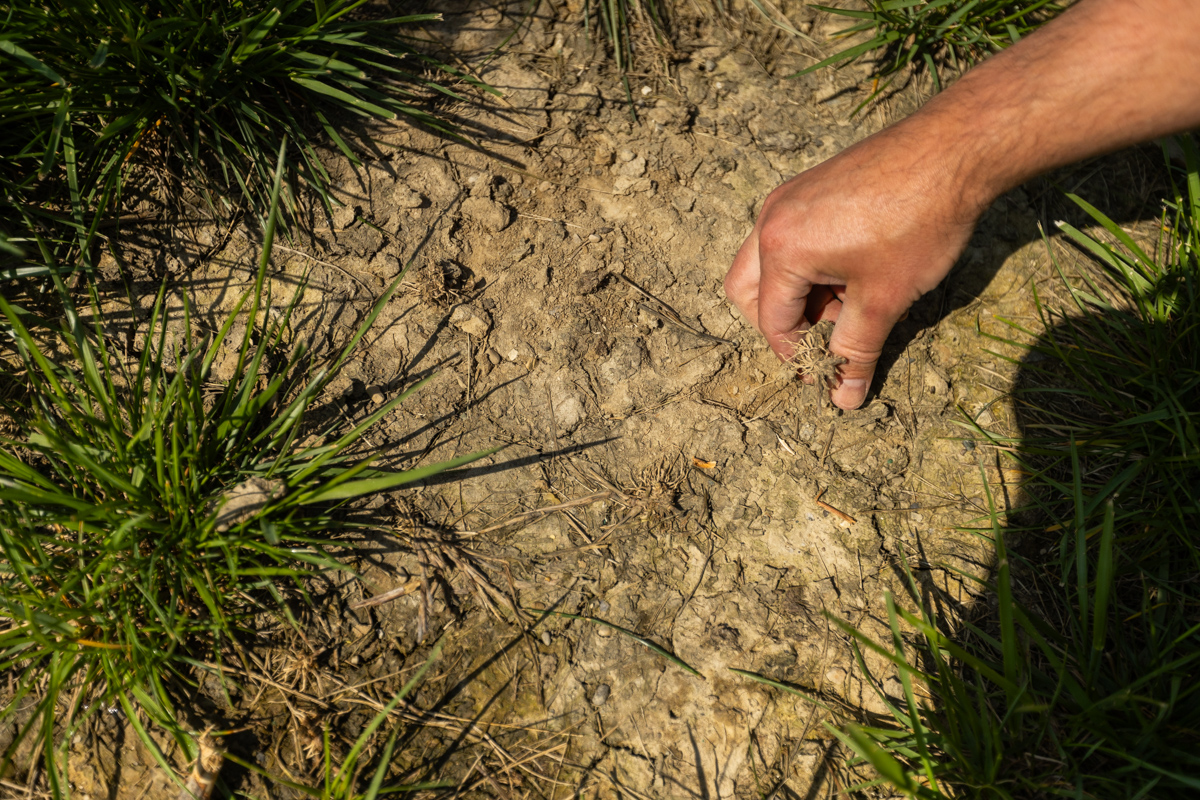
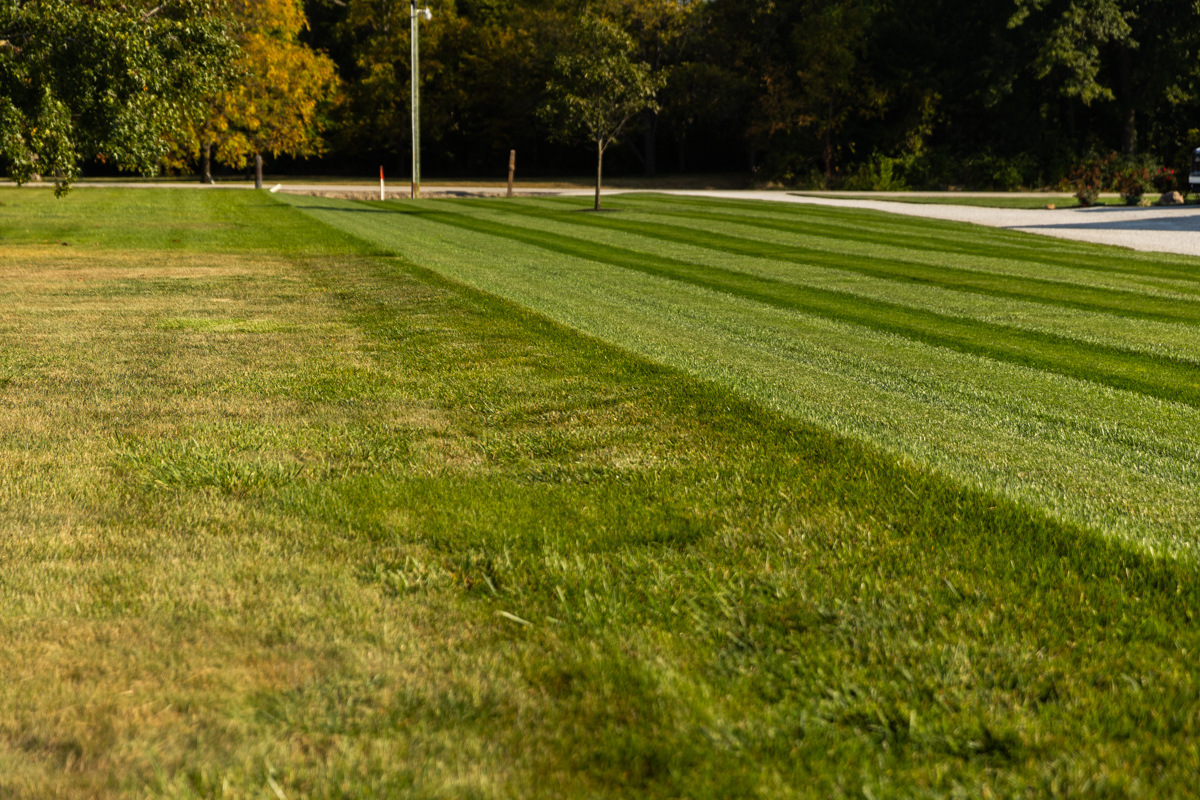
Is your lawn developing discolored patches, thin areas, or unusual spots? If so, there’s a good chance you’re dealing with lawn fungus.
Indiana is known for its hot and humid summers, which can make fungus in lawns an ongoing issue. While fungus can be hard to avoid (even in the healthiest lawns), you might be surprised to learn that different grass types are more prone to certain diseases than others.
In this article, we’ll dive into some of the important things you ought to know about types of fungus in yards. We know that diseases can be a major source of frustration. But with the right expert on your side, you can keep the problem minimized.
Jump To:
Common Indiana Grasses
Common Lawn Fungus Types in Indiana and How Grass is Affected
Lawn Fungus Identification Challenges
FAQs about Fungus in Lawns
Choosing Lawn Care in Lafayette and Nearby Areas
What grass type you have growing in your lawn can have an impact on how it responds to disease.
There are three common Indiana grasses that you’re likely to have growing in your yard.
These include:
Kentucky Bluegrass
Perennial Ryegrass
Turf Type Tall Fescue
Of these, Turf Type Tall Fescue (aka TTTF) is our top pick for the best grass for Indiana lawns. One of the reasons that we like it is that it tends to resist disease pretty well. That’s not to say it’s completely immune. Although it’s definitely a more hardy choice, common Fescue diseases such as Brown Patch and Red Thread can still affect TTTF.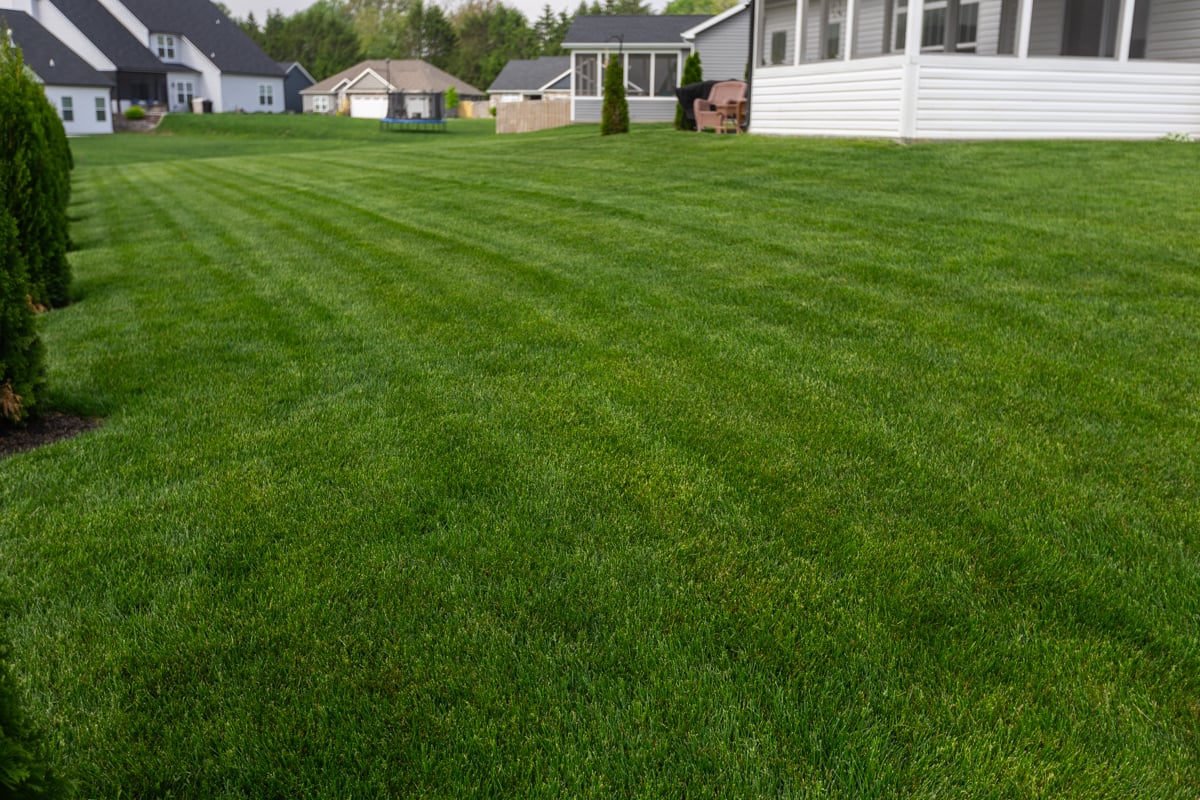
It’s important to remember that no grass type is completely resistant to disease. If the conditions are just right and a fungus is present, it can grow and spread. But some grass types are more likely to get ravaged by disease than others. Kentucky Bluegrass and Perennial Ryegrass can have a harder time standing up to disease than TTTF.
There are many different lawn fungus types. But the 3 diseases that most commonly impact Indiana grasses include: Red Thread, Dollar Spot, and Brown Patch.
Red Thread gets its name from its appearance. It appears like a bunch of red (or pinkish) threads growing in the lawn. Due to its distinct coloring and string-like appearance, lawn fungus identification is usually pretty easy for homeowners.
Of the various lawn fungus types, Red Thread is generally not very serious and lawns commonly bounce back on their own.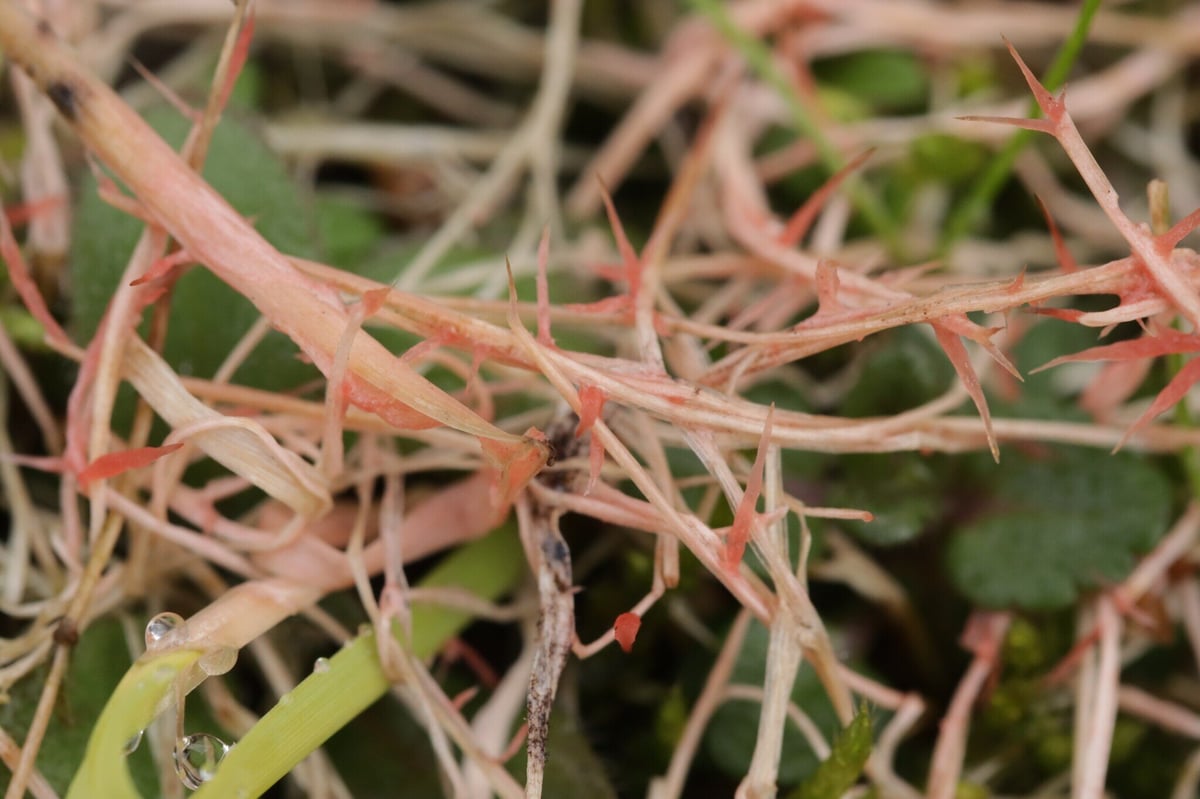
Red Thread thrives in nutrient-poor turf, so making sure your lawn is well-fertilized (especially with nitrogen) is the best long-term defense. If your lawn got hit this year, improving nutrition next season will help keep the disease from coming back.
Perennial Ryegrass tends to be highly susceptible to Red Thread. This is due to its growth characteristics and the fact that it responds so quickly to nitrogen deficiency.
Kentucky Bluegrass is moderately susceptible, while Turf Type Tall Fescue is the least susceptible.
Dollar Spot disease shows up in the lawn as circular tan spots that are about the size of a silver dollar. Over time, these spots can grow and spread, leaving behind larger patches.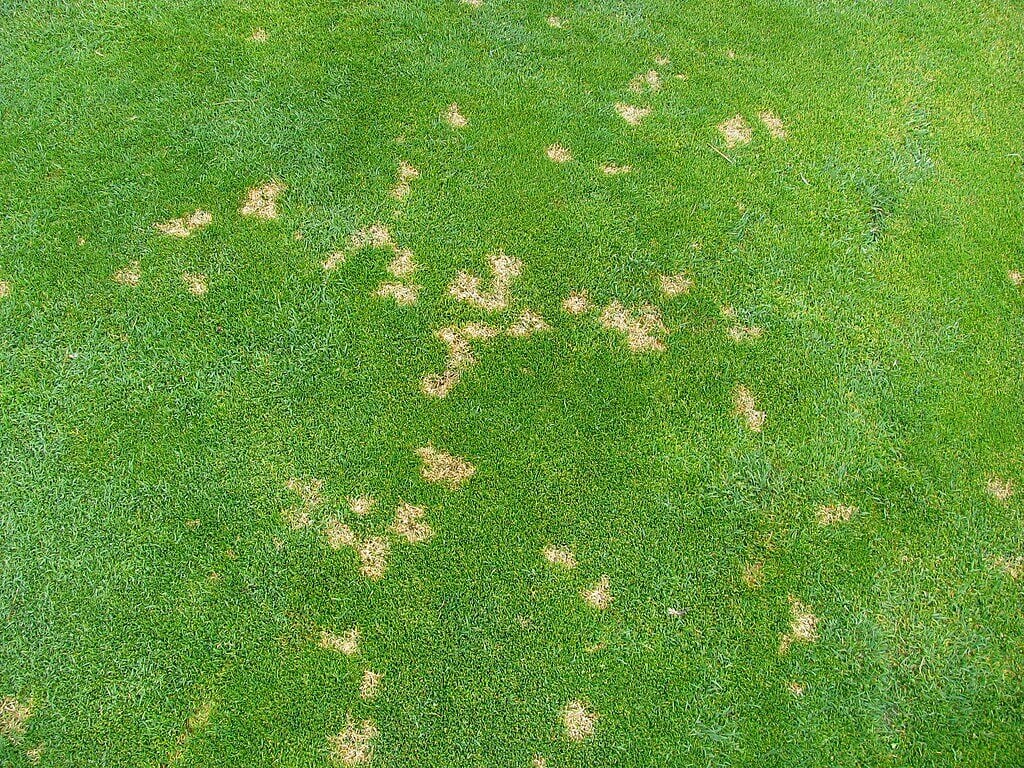
This grass disease in Indiana is active from April through October and thrives in warm, humid weather, especially if your lawn is low on nitrogen. It can also sneak back in during cooler spring and fall months.
Both Perennial Ryegrass AND Kentucky Bluegrass are highly susceptible to Dollar Spot.
These two grass types are particularly prone to Dollar Spot since they are usually maintained as dense and closely mowed lawns. Symptoms often develop quickly when fertilizer is insufficient.
Brown Patch disease typically shows up as well-defined, circular brown patches that range from 4 to 12 inches wide. Sometimes you’ll also notice a grayish-white ring around the edge of the patch. It only affects the grass blade and the crowns and roots remain safe.
As far as Fescue diseases go, Brown Patch is probably the most common.
TTTF tends to grow vigorously during warm, humid weather and can form a dense canopy that holds onto moisture. This can create the optimal conditions for Brown Patch disease to grow and spread.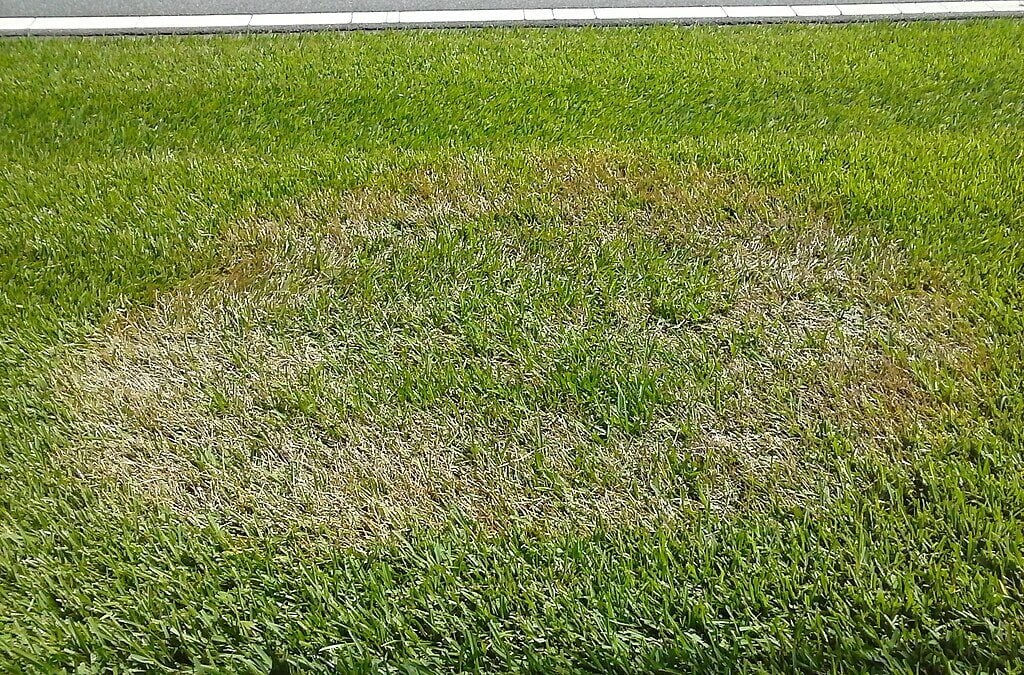
Perennial Ryegrass is moderately susceptible and Kentucky Bluegrass is occasionally susceptible to Brown Patch disease.
In general, this disease spreads fast in hot, muggy conditions, especially if your lawn is overloaded with nitrogen from fertilization. That’s why it’s important to back off on fertilizer in the summer.
Even for experienced homeowners, identifying lawn diseases can pose a lot of challenges. Often, initial symptoms can have distinct features, but over time, everything might start to turn yellow or brown.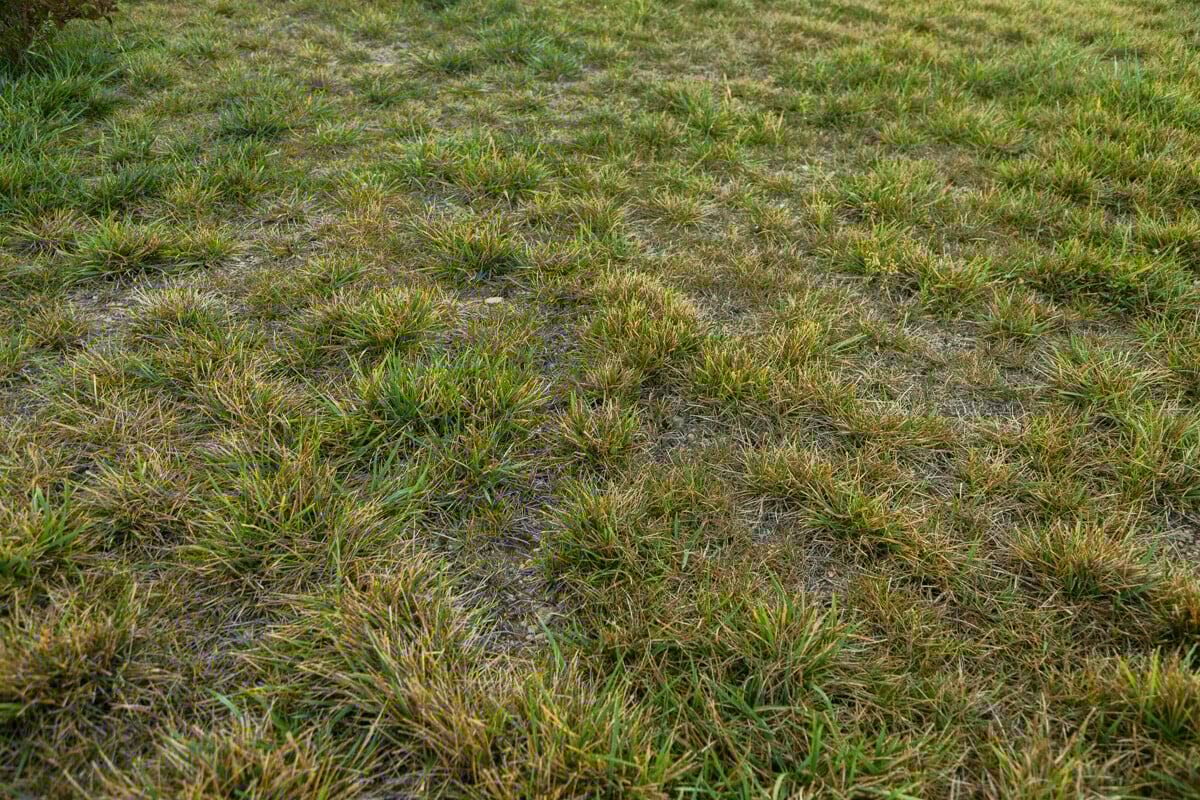
Some of the commonly overlapping symptoms of lawn fungus include:
Yellowing grass
Brown or tan patches
Thinning turf
Dead-looking areas
Brown Patch and Dollar Spot are commonly mistaken for each other but have different causes and different management strategies. This is why it’s best to bring in a lawn care expert instead of taking matters into your own hands.
There are also other problems that can look like lawn fungus. Some of the common issues that are misidentified as disease include:
Urine burn
Fertilizer burn
Grub damage
But in order to handle the problem, you must first figure out what’s going on. That’s because different problems have different solutions.
The 3 most common lawn diseases in Indiana are Dollar Spot, Red Thread, and Brown Patch. Honorable mentions that we also see a decent amount of are Summer Patch and Necrotic Ring Spot.
There is not one single grass type in Indiana that is most vulnerable to lawn fungus. Different turfgrasses are going to be more susceptible to different diseases. Kentucky Bluegrass and Perennial Ryegrass do tend to have the highest overall susceptibility to different diseases like Dollar Spot and Red Thread. Turf Type Tall Fescue tends to have higher susceptibility to Brown Patch.
For most Indiana lawns, cool-season grasses tend to be the best choice due to our warm summers, cold winters, and moderate rainfall. Kentucky Bluegrass, Perennial Ryegrass, and Turf Type Tall Fescue are the 3 most common grass types (all of which are cool season grasses).
Whenever it comes to troubleshooting problems with the lawn, we always recommend calling in a pro. You shouldn’t have to figure all of this out on your own. We know that lawn fungus identification can be very challenging. But a pro will be able to steer you in the right direction.
One of the key benefits of choosing professional lawn care in Lafayette and nearby areas is that you’ll have an expert on your property helping you make decisions. At Shades of Green, we also provide services in Carmel, Noblesville, Westfield, and Zionsville.
If you’re noticing discoloration or other problems in the lawn, an expert diagnosis will be critical when it comes to a solution. But because many problems can mimic one another, you’ll want to have an expert eye figuring it out.
There are many cases where you can make a problem worse by misdiagnosing and mistreating it. For instance, if you were to water a lawn that is experiencing lawn fungus, you can spread the fungus and make it a lot worse.
Figuring it all out can feel a bit overwhelming. But that’s exactly what we’re here for!
At Shades of Green, you can count on us to provide helpful advice and recommendations while also supporting your lawn with the treatments it needs. That means more time enjoying your lawn and less time stressing about it.
Ready to get your lawn on track this season? Get started by filling out our contact form for your quote.
Image Sources: red thread lawn fungus, dollar spot lawn disease, brown patch lawn disease
Envision a Brighter Future for Your Lawn


Cory is the heart and soul of Shades of Green. His dedication to doing right for our customers has been the driving force behind the company's success. With a degree in Turf Science from Purdue University, Cory continually strives to craft the best treatment plans using the latest technologies and innovative products, ensuring top-notch results for every client.