Preventing Brown Patch Disease: 9 Pro Tips for a Healthier Indiana Lawn

~4 mins
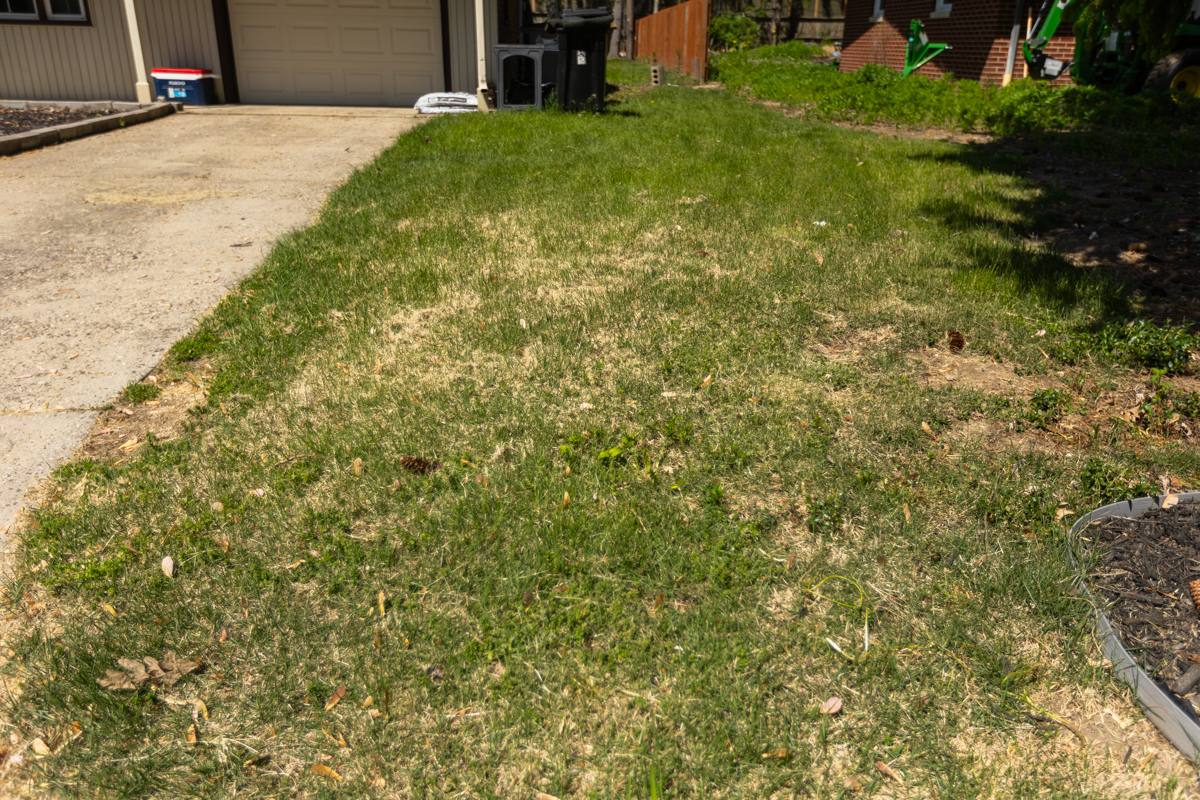
Finding brown spots on the lawn can be alarming. And it might also make you immediately jump to the conclusion that your lawn care company did something wrong.
Did they burn the grass or misapply a product?
While that certainly can happen, in reality, there are a multitude of different reasons why you might have brown spots in the grass. Another common assumption that homeowners make is that their grass is experiencing drought. But that’s not always the case, either!
In this article, we’ll dive into some of the common reasons that burnt spots might turn up in the lawn. Understanding what’s going on (or what might be going wrong) can help set you up for success.
Jump To:
Identifying the Source of Brown Spots on Lawn
Is Burnt Grass Dead?
What Can I Do About Brown Spots in Grass?
FAQs on Brown Spots
Working with Lawn Care in Lafayette and Nearby Areas
It’s easy to jump to conclusions, but there are a lot of different reasons why you might have brown spots in the grass.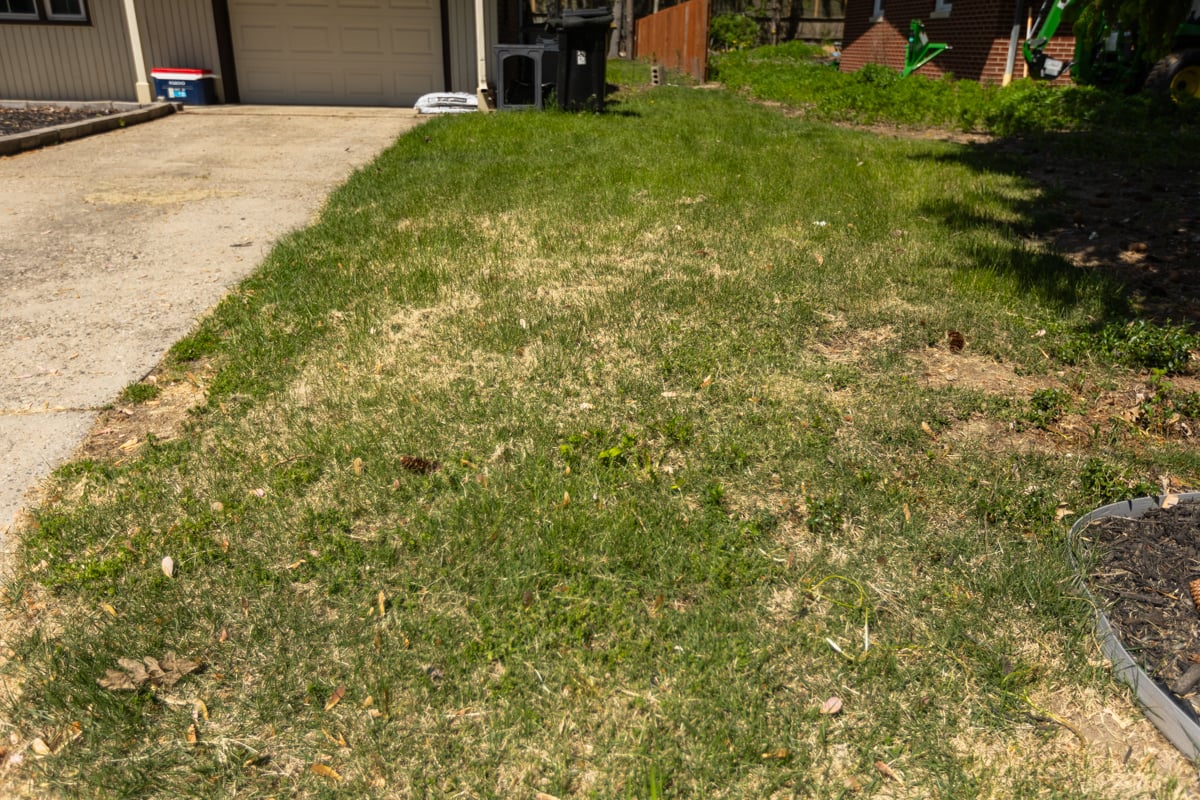
Here are some of the most common.
Both heat and drought stress can cause grass to turn brown. The “footprint test” is a good way to tell whether your lawn lacks moisture. If you walk across the grass and it stays flattened so that you can still see the remnants of a footprint, it is likely struggling from drought stress. Brown spots in grass from heat and drought stress tend to first show up in high-stress areas, like those bordering concrete or that get a lot of sun.
Another common cause of brown spots on the lawn is dog urine burn. Dog urine contains a highly concentrated amount of nitrogen. Since dogs tend to repeatedly pee in the same location, it often doesn’t take long for burn spots in grass to pop up in these locations. Urine burn closely resembles fertilizer burn since both are caused by an excessive amount of nitrogen. If grass looks burnt and you have a dog, it’s possible urine burn is the cause.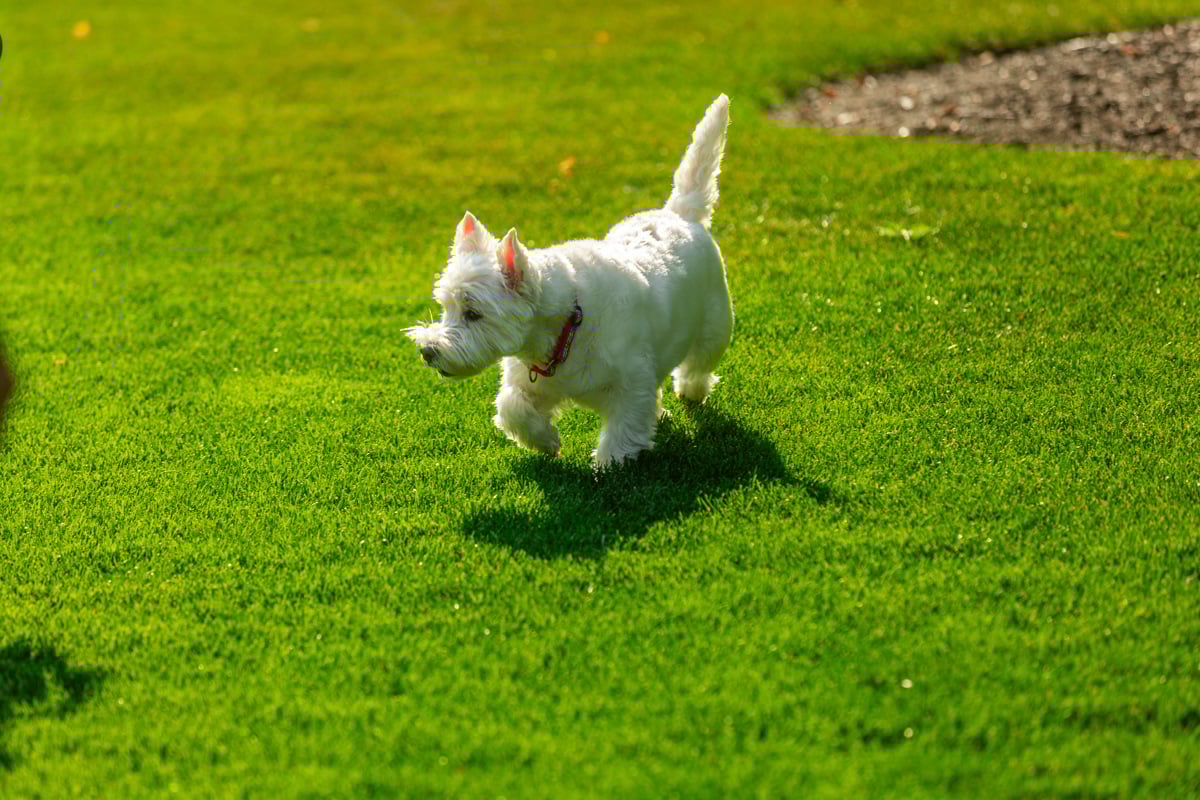
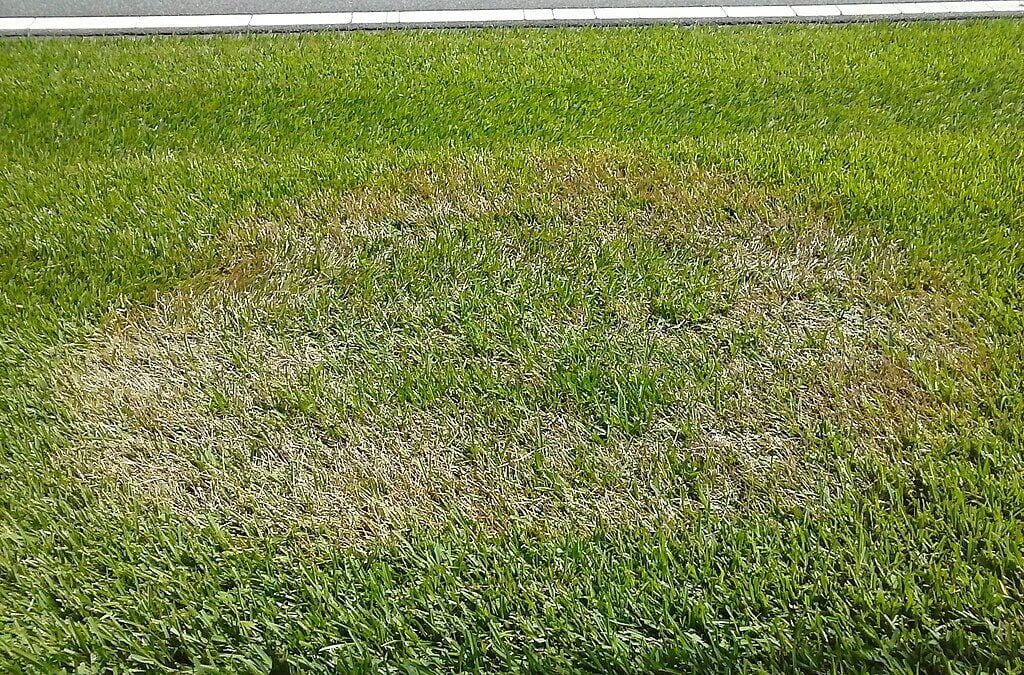
Lawn diseases can also cause grass to turn brown and die in infected areas. Brown Patch disease is common in Lafayette and the surrounding region. Usually lawn fungus shows up as circular patches. In the case of Brown Patch, there is often a grayish-white “smoke ring” around the patches.
Grass-eating pests like lawn grubs can also cause brown spots on the lawn. If grubs are chomping away at your turf, the signs show up as wilting or discolored grass that turns into uneven brown patches. But the biggest giveaways that pests are the culprit (and not something else) are wildlife foraging at your turf and a lawn that pulls up like carpet since the roots are no longer attached.
Mowing mistakes can also lead to an unhealthy lawn with brown spots. The biggest mistakes that we see are mowing the lawn too short (which puts tremendous stress on it) and scalping the edges around hardscaping, such as around sidewalks.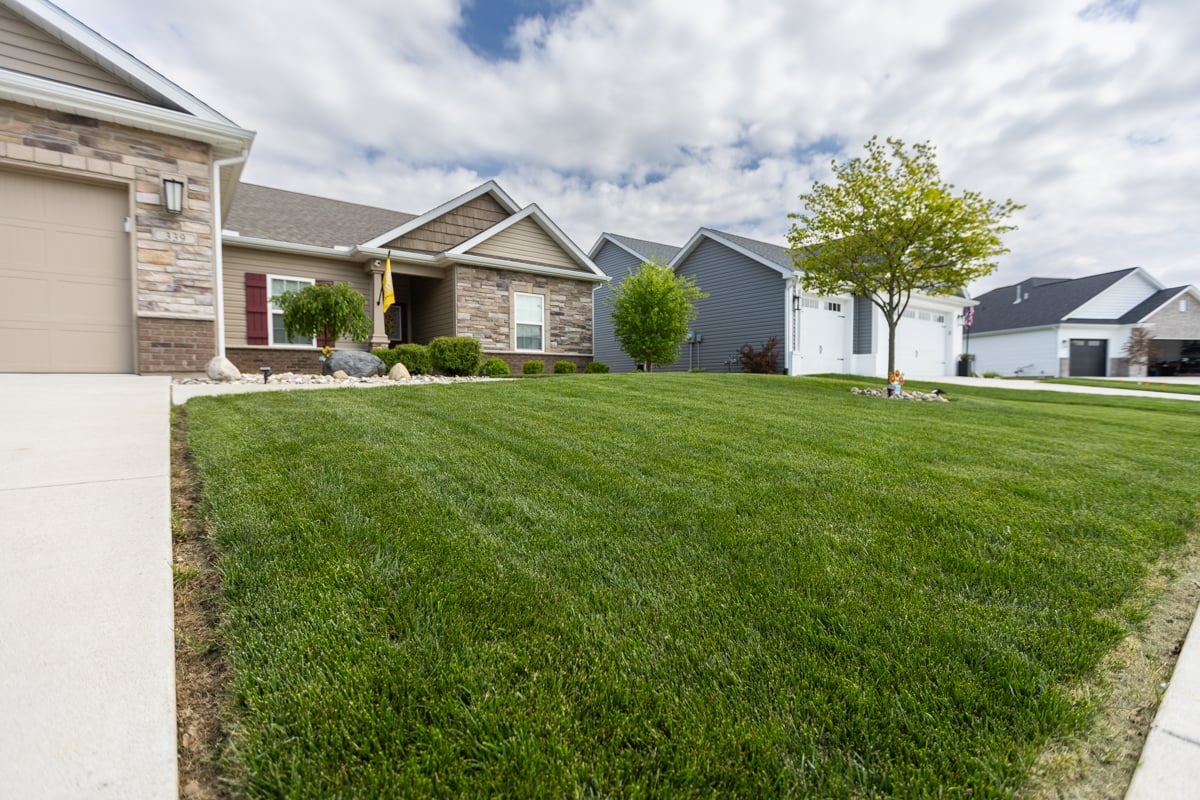
Lawn scorching can also occur when too much fertilizer is applied in a location. Overfertilization is bad for the lawn because the excess nitrogen actually leads to burn spots in the grass. This excess application of nutrients actually draws moisture out of the grass plants and leads to scorching. It will turn yellow and then brown as it dies in that location. While this can happen because of fertilization mistakes (like applying at the wrong rate), it’s usually an accidental dumping of a bag that is the culprit.
No, burnt grass is not always dead. It really does depend on what’s causing the burn spots in the lawn and also how much of the grass has truly been damaged. Often, grass at the surface level is impacted while the crowns and the roots remain intact and healthy. If that’s the case, the lawn might be able to bounce back.
Grass is surprisingly resilient!
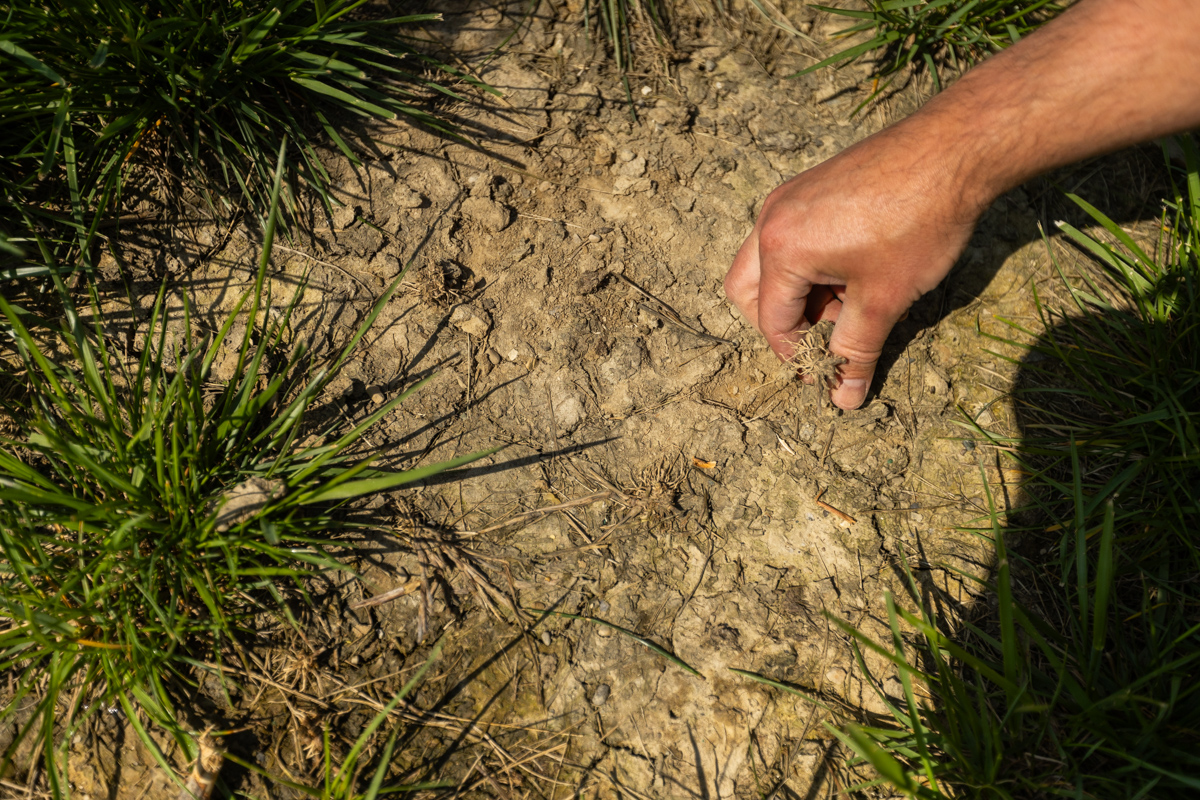
A simple “tug test” can help show you what you’re dealing with. Take a small handful of grass and give a gentle tug. Is it still attached firmly to the ground? That’s a good sign. But if it comes out with minimal resistance or the roots are not white, it’s likely dead.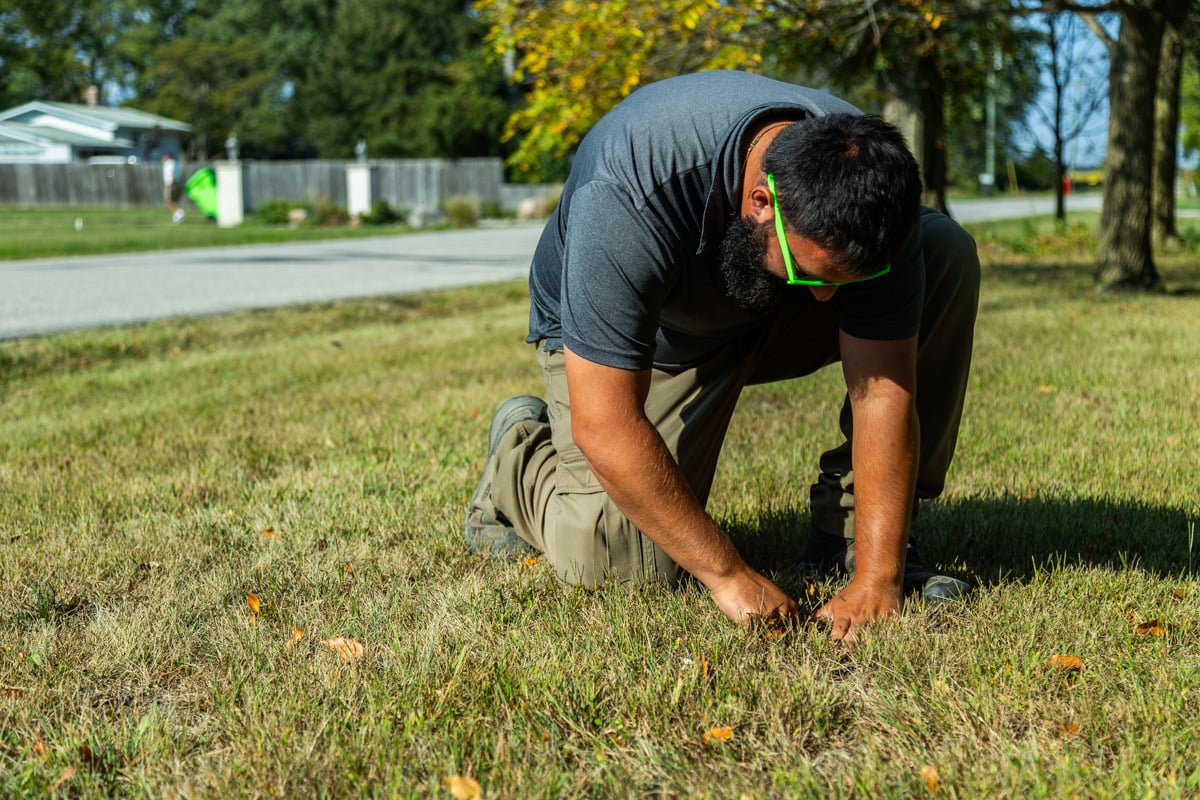
In order to know how to handle brown spots in the grass, you must first figure out what caused them. That’s because different problems have different solutions.
Some problems are fixable while others are not. There are solutions for things like pests and disease but the weather is obviously out of your hands.
It also often depends on how severe the damage is. While grass truly is resilient and we’ve seen it bounce back from many issues, if you have areas that are dead, it’s not going to miraculously recover. For dead spots, you might need aeration and overseeding to help revitalize the area.
Before we wrap up this article, let’s recap some of your commonly asked questions and make sure you’re well-educated on understanding brown spots in the lawn. The good news is that you don’t have to figure this all out on your own. That’s exactly why we’re here to help!
There are many potential causes of brown or dead spots in the lawn including heat and drought stress, urine burn, disease and fungus, mowing mistakes, grass-eating pests, and fertilizer burn.
Burnt grass is not always dead. There are often circumstances where the grass crown and roots are still healthy and will bounce back from surface-level damage.
Your grass might still look burnt even if you are watering your lawn regularly because it might not be a drought issue. If you're dealing with lawn disease, watering could possibly make the issue worse.
When grass is under stress, it may go into dormancy. The “tug test” is a good way to tell the difference between dead and dormant grass.
Take a small handful of grass and give a gentle tug. Is it still attached firmly to the ground? That’s a good sign. But if it comes out with minimal resistance or the roots are not white, it’s likely dead.
If the grass is truly dead, it cannot be revived. However, homeowners often think that their grass is dead when it’s not. The first step is diagnosing what’s wrong. Once you figure that out, then you can implement the correct solution.
Whenever it comes to troubleshooting problems with the lawn, we always recommend calling in a pro. You shouldn’t have to figure all of this out on your own. One of the key benefits of choosing professional lawn care in Lafayette and nearby areas is that you’ll have an expert on your property helping you make decisions. At Shades of Green, we also provide services in areas north of Indianapolis such as Carmel, Noblesville, Westfield, and Zionsville.
If you’ve found brown spots on your lawn, an expert diagnosis will be critical when it comes to solving the problem. But because many problems can mimic one another, you’ll want to have an expert eye figuring it out.
There are many cases where you can make a problem worse by misdiagnosing and mistreating it. For instance, if you were to water a lawn that is experiencing lawn fungus, you can spread the fungus and make it a lot worse.
Figuring it all out can feel a bit overwhelming. But that’s exactly what we’re here for!
At Shades of Green, you can count on us to provide helpful advice and recommendations while also supporting your lawn with the treatments it needs. That means more time enjoying your lawn and less time stressing about it.
Ready to get your lawn on track this season? Get started by filling out our contact form for your quote.
Envision a Brighter Future for Your Lawn


Cory is the heart and soul of Shades of Green. His dedication to doing right for our customers has been the driving force behind the company's success. With a degree in Turf Science from Purdue University, Cory continually strives to craft the best treatment plans using the latest technologies and innovative products, ensuring top-notch results for every client.