The 3 Most Common Lawn Diseases in Indiana and How to Treat Them

~4 mins
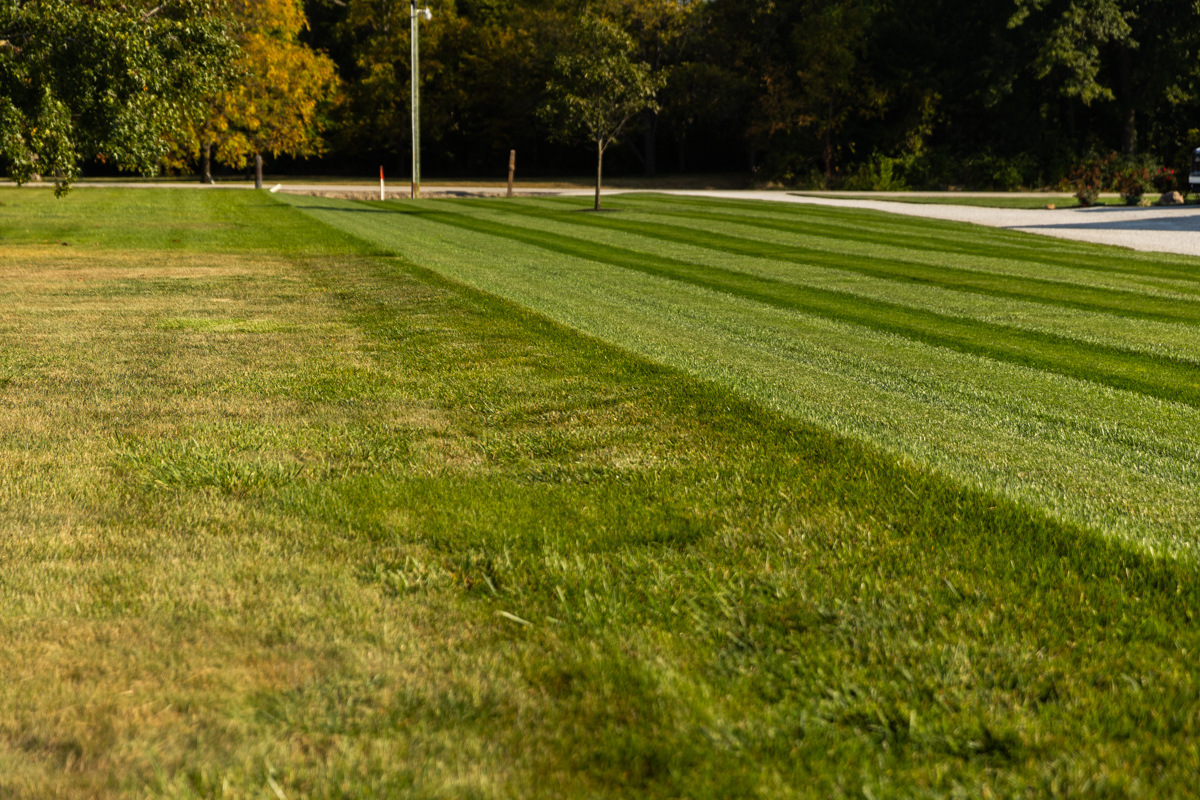
One week, your lawn looks great, and the next you’ve got brown patches, pinkish-red streaks, or thin-looking grass. Does it need more water? Or fertilizer? Or is something seriously wrong?
Before you jump down the Google rabbit hole, know that water and fertilizer may not always be the answer. And honestly, fungicide is not always the answer either. So, when and why should you actually use it?
Let’s break it all down in a simple way, starting with what lawn disease really is, why not all brown spots mean fungus, what fungicide actually does, and finally, when it makes sense (and when it doesn’t) to use it here in Indiana.
Jump To:
What is Lawn Disease?
Not All Brown Grass is Caused By Fungus
What is Lawn Fungicide?
When to Apply Fungicide to Indiana Lawns
Partnering with Shades of Green for Lawn Care
When you first hear the term lawn disease, it honestly sounds pretty dramatic, like something is seriously wrong with your whole lawn. While some lawn diseases are quite serious, the term lawn disease is really just a general term for problems caused by fungi that attack your grass.
Where things get more complicated is the fact that there is not just one ‘lawn disease’. There are actually several types of fungal diseases, and just like diseases we get as humans, they do not behave the same way. Just like strep throat is more likely to present in children, lawn diseases show up on certain grass types but not others. The type of symptoms you have when you have a stomach bug vs. a common cold varies greatly. The type of symptoms your lawn presents will vary greatly as well, depending upon which lawn disease it has. Some lawn diseases overlap in timing, and others only appear under very specific weather conditions.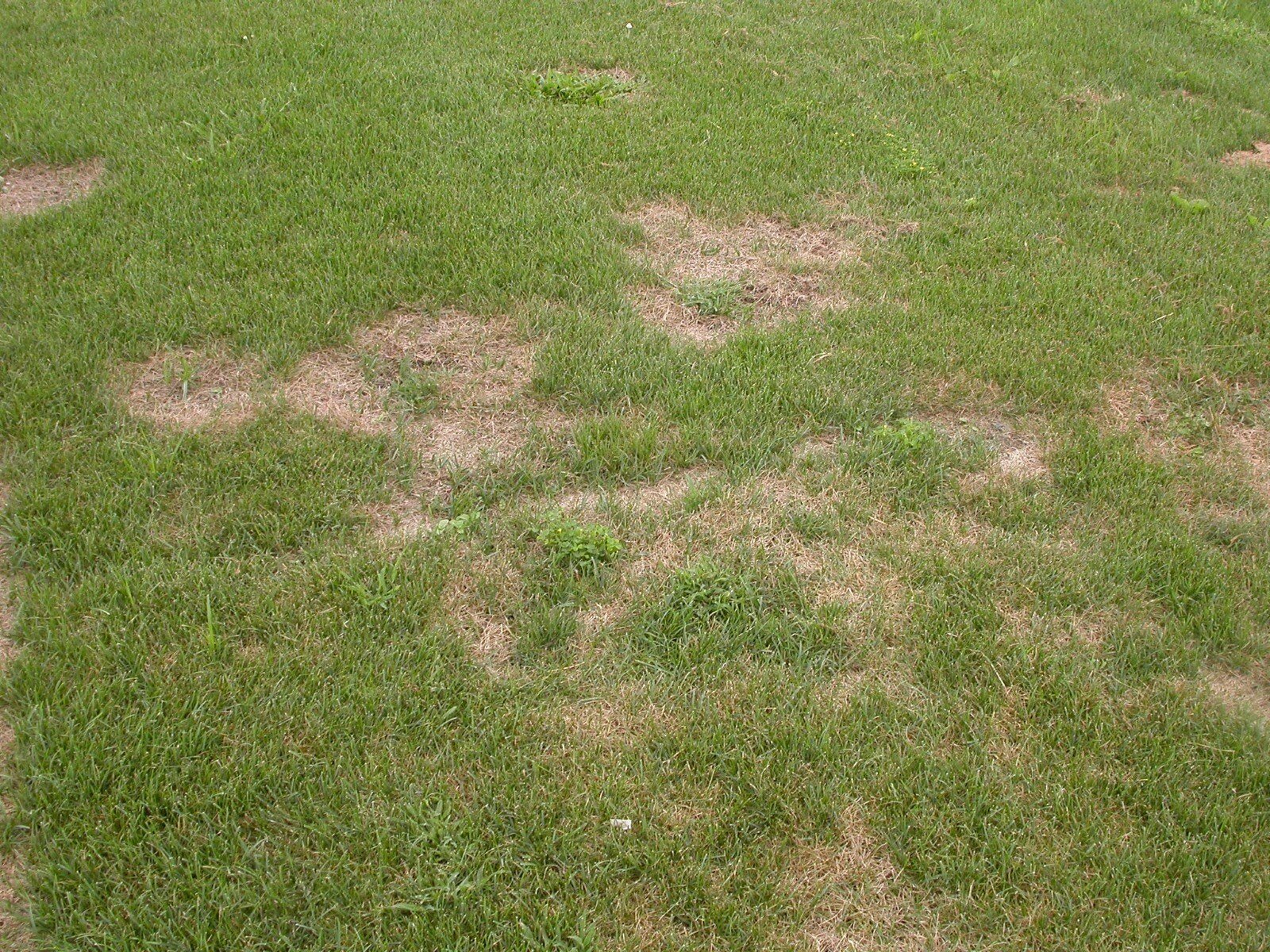
So, what you see on your lawn, such as brown patches, odd streaks, or grass that looks worn out, can actually be several different types of diseases or not even a disease at all…frustrating, right?
Even more confusing, some lawn diseases don’t ‘fix’ themselves with water, time, or the right fertilizer. In some cases, the damage shows up later in the summer, even though the infection actually started weeks or months earlier. So while your lawn looks stressed in July or August, the real issue may have started back in the spring. Think of this like some illnesses we catch as humans go away on their own with time and rest, whereas others need antibiotics or other treatments to resolve (hint: this is where fungicide comes in).
Different grasses react differently to lawn diseases. A disease that shows up strongly in Kentucky bluegrass might barely impact fine fescue, or it might look completely different on the turf mix in your yard, since many lawns have a mix of different types of grass. That’s why two lawns sitting right next to each other can look totally different even though they are dealing with the same conditions.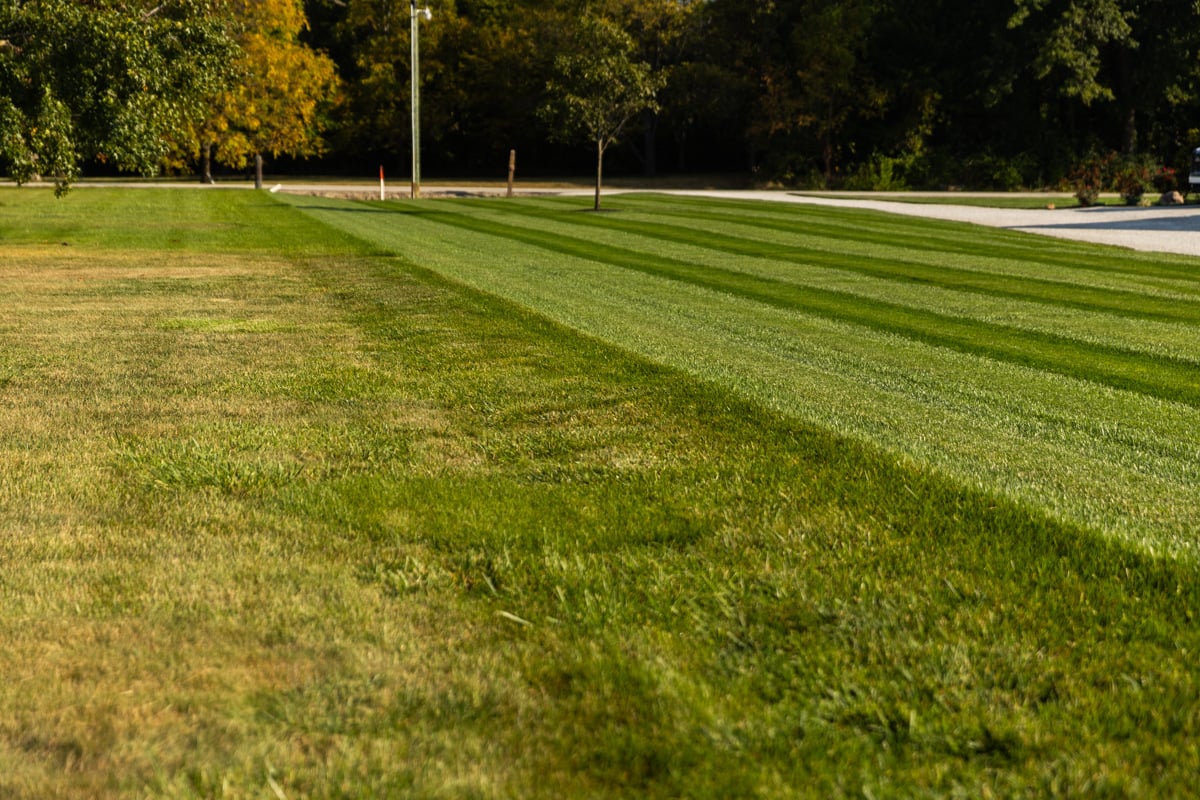
The key thing to understand is that lawn disease is not one single problem. It is a group of different fungal issues that show up at different times, on different grass types, under different conditions, and they don’t always look like what you expect. This is what makes lawn disease one of the most difficult areas of lawn care, even for the pros.
One of the biggest mistakes made with lawn diseases is assuming that any brown or discolored patch means lawn disease. In reality, that is not always the case, and jumping to a conclusion can sometimes make things worse.
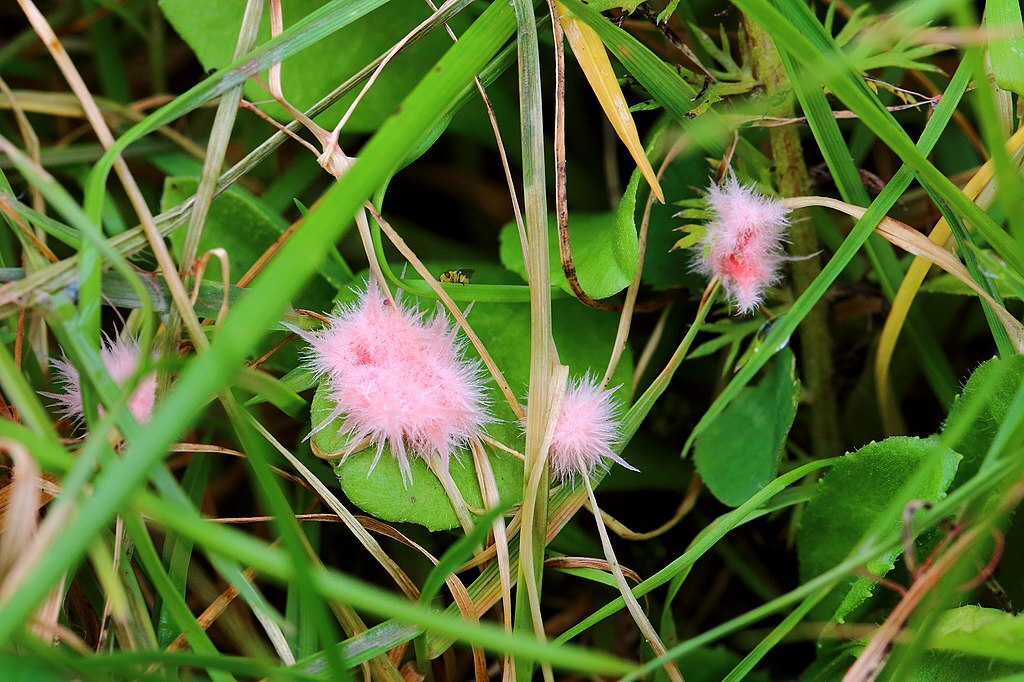
Take red thread for example. It’s a common lawn disease in Indiana and often shows up as thin, pinkish-red strands woven through the grass. At a glance, it looks like simple drought stress, like your lawn just needs a good drink of water. So, naturally, you decide to water it more.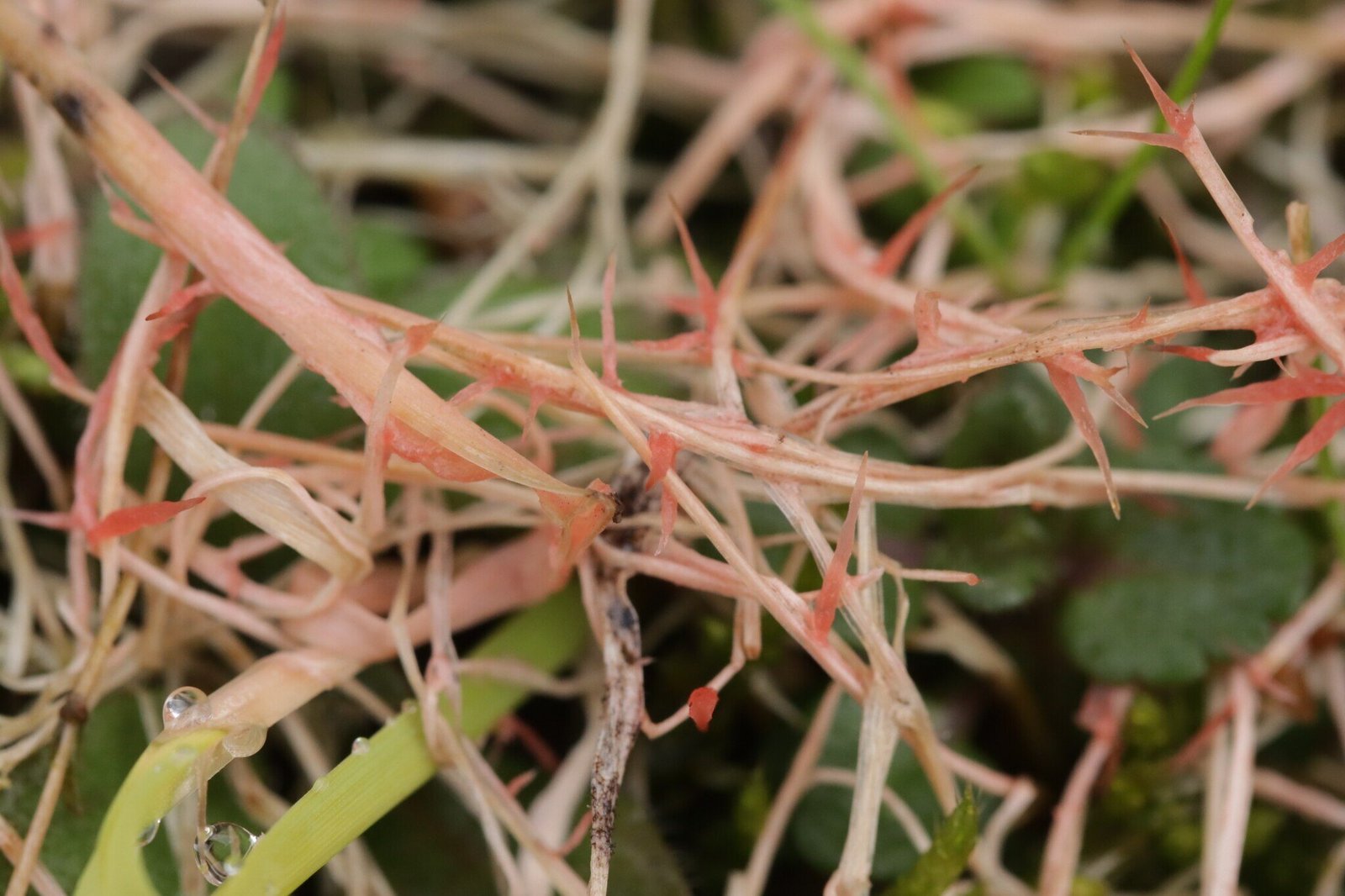
The problem is that this reaction can actually backfire. Red thread tends to thrive in conditions where the lawn is already a little stressed, but also staying too wet or humid for too long. So, adding more moisture does not always help. It can actually keep the conditions favorable for the disease to thrive and slow recovery instead of speeding it up.
And of course, red thread is just one example. Brown or patchy grass can come from a lot of different sources that have nothing to do with fungus at all, such as:
Water Stress - too much or too little water
Heat Stress - high temperatures in the summer
Soil Compaction - soil that restricts root growth
Different Grass Species - each responds to stress differently
This is why figuring out what is actually going on is so important before jumping into treatment.
Lawn fungicide is one of those lawn care tools that sounds like it should fix all your lawn problems - but it isn’t always the answer. Fungicide is simply a product used to prevent or slow down fungal disease in grass.
It does not heal damaged grass, but it can protect healthy grass from getting infected in the first place. The need for fungicide comes down to your aesthetic tolerance. If you are totally fine with a few brown spots here and there as a part of the natural lawn cycle, you may not need it at all. Some others want a consistently clean, uniform, “Disney-like” lawn all season. Neither is wrong, but your expectation determines whether fungicide makes sense or not.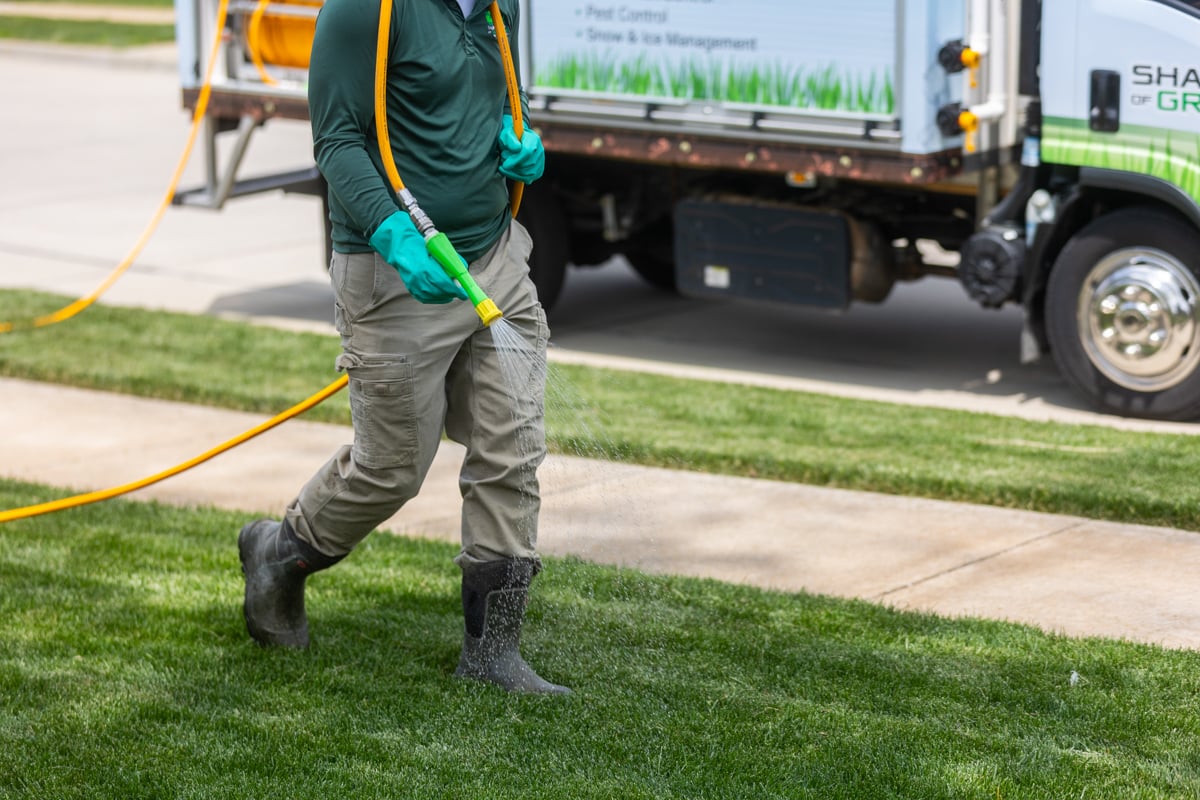
Fungicides fall into two categories: preventative and curative.
Preventative fungicides are applied before diseases show up, just like a pre-emergent weed control treatment.
Curative fungicides are used after you see symptoms. The goal is not to reverse damage, but to stop the disease from continuing to spread.
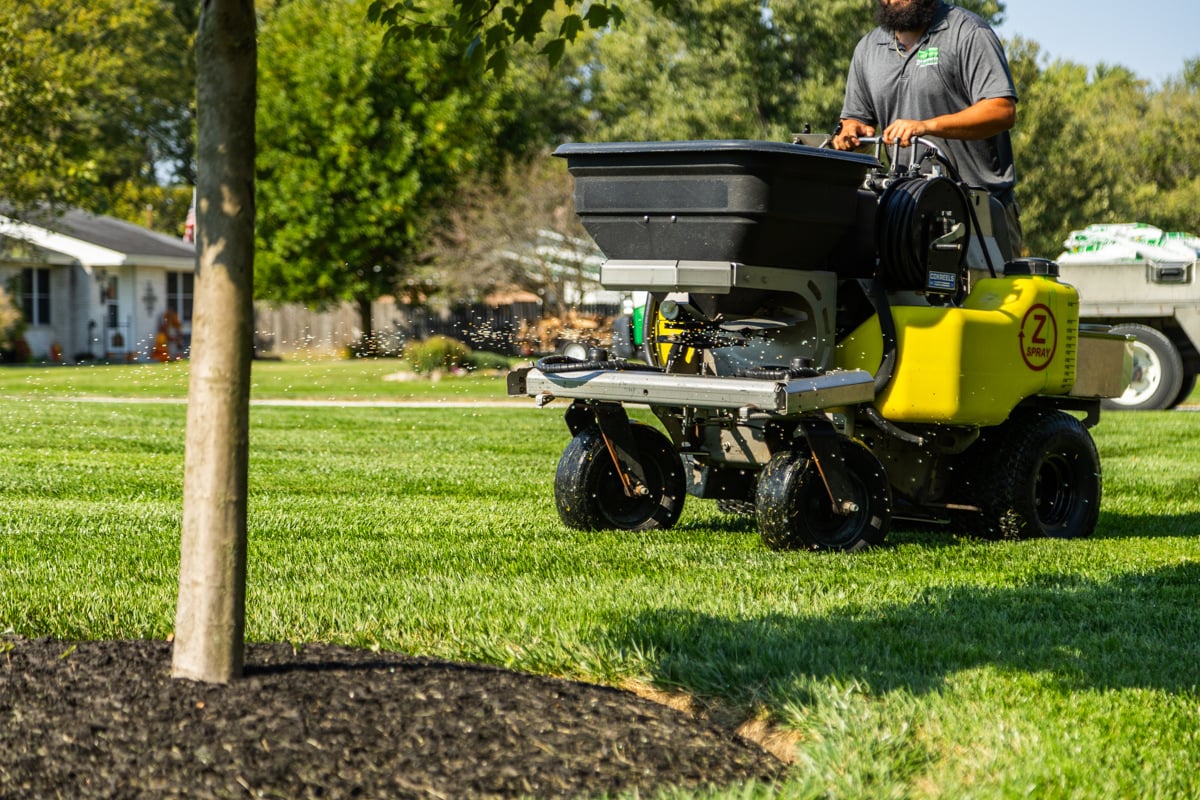
In most professional programs, fungicide is applied as a liquid. Liquid applications provide better coverage, better control, and more consistent protection across the lawn. Think of it like painting the surface of your lawn so the grass has more even coverage.
The most important part of fungicide is timing. You can have the best product and the best plan, but if it is not applied at the right time, it is not going to give you the results you are expecting.
Here in Indiana, most fungicide programs start in May and carry through the peak disease months of June, July, and August. This is when humidity, heat, and moisture all stack together, and the combination creates the ideal conditions for fungal disease to show up and spread quickly.
Depending on the lawn type and disease pressure, some programs will include 5-6 applications in total, while others only need a couple of key treatments during the highest-risk window. It really depends on grass species, site conditions, and how aggressive you want to be with prevention.
Fungicides don’t last forever, and most products are only effective for a limited window of time. After that effective time period, protection starts to break down, especially with heavy rain, humidity, and rapid turf growth. Because the products are expensive, they are not designed to be used continuously or just in case all season long. They work best when strategically timed around known disease windows and environmental conditions.
Lawn disease can feel confusing because it doesn’t follow one simple pattern. What looks like brown patch or stressed turf could be several different fungal issues, or not even a disease at all. And even when fungus is the case, the timing, grass type, and weather all play a huge role in how it shows up and should be handled.
That’s why fungicide isn’t a must-use like fertilizer. It is a targeted tool, used best preventatively and only when it truly fits the situation and the expectations you have for your lawn. And at the end of the day, what it comes down to is what you want from your lawn.
At Shades of Green, we are not here to push treatments you don’t need. Our goal is to read what your lawn is actually telling us and match the right level of care to your goals. Whether that is a healthy lawn or a full preventative program, the goal for our clients is the same: better results, less guesswork, and no wasted steps along the way.
Curious if your lawn would benefit from preventative fungicide treatments? Get started by filling out our contact form today.
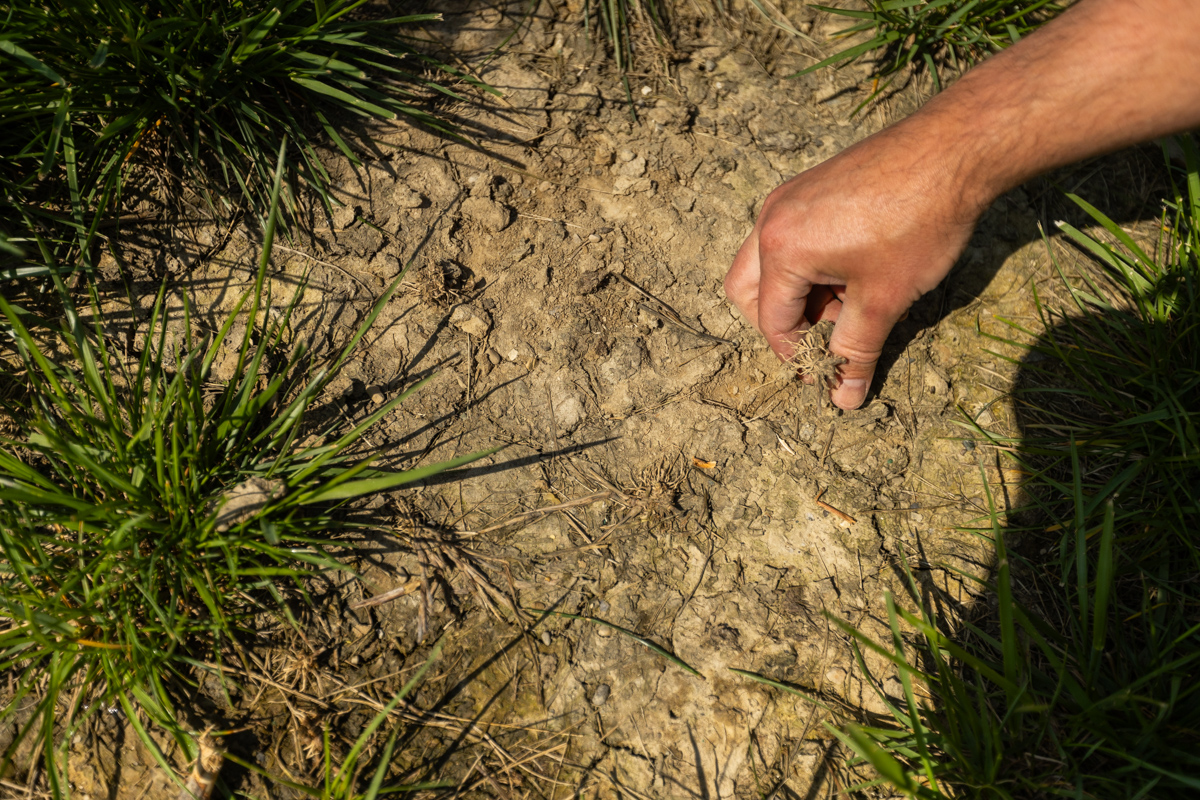
Image Sources: summer patch lawn disease, red thread lawn disease
Envision a Brighter Future for Your Lawn


Cory is the heart and soul of Shades of Green. His dedication to doing right for our customers has been the driving force behind the company's success. With a degree in Turf Science from Purdue University, Cory continually strives to craft the best treatment plans using the latest technologies and innovative products, ensuring top-notch results for every client.