Which Indiana Grass Types Get Which Lawn Diseases?

~5 mins
When Pythium Blight attacks a lawn, it can be pretty bad news. Fortunately, it’s not something that we see super often in our region of Indiana.
Even so, given the serious nature of Pythium symptoms, we want to make sure you know what to look for!
In this article, we’ll share everything you ought to know about Pythium Blight. We want to help set you up for success whenever it comes to any issues that could arise in your Indiana lawn.
Jump to:
What is Pythium Blight?
Pythium Blight Symptoms
Pythium Blight vs. Dollar Spot
How to Treat Pythium Blight
How to Prevent Future Pythium Outbreaks
FAQs About Pythium Blight
When to Call a Lawn Care Professional
Pythium Blight is a fast-spreading lawn disease sometimes also referred to as “grease spot” because the lawn looks greasy and wet when infected.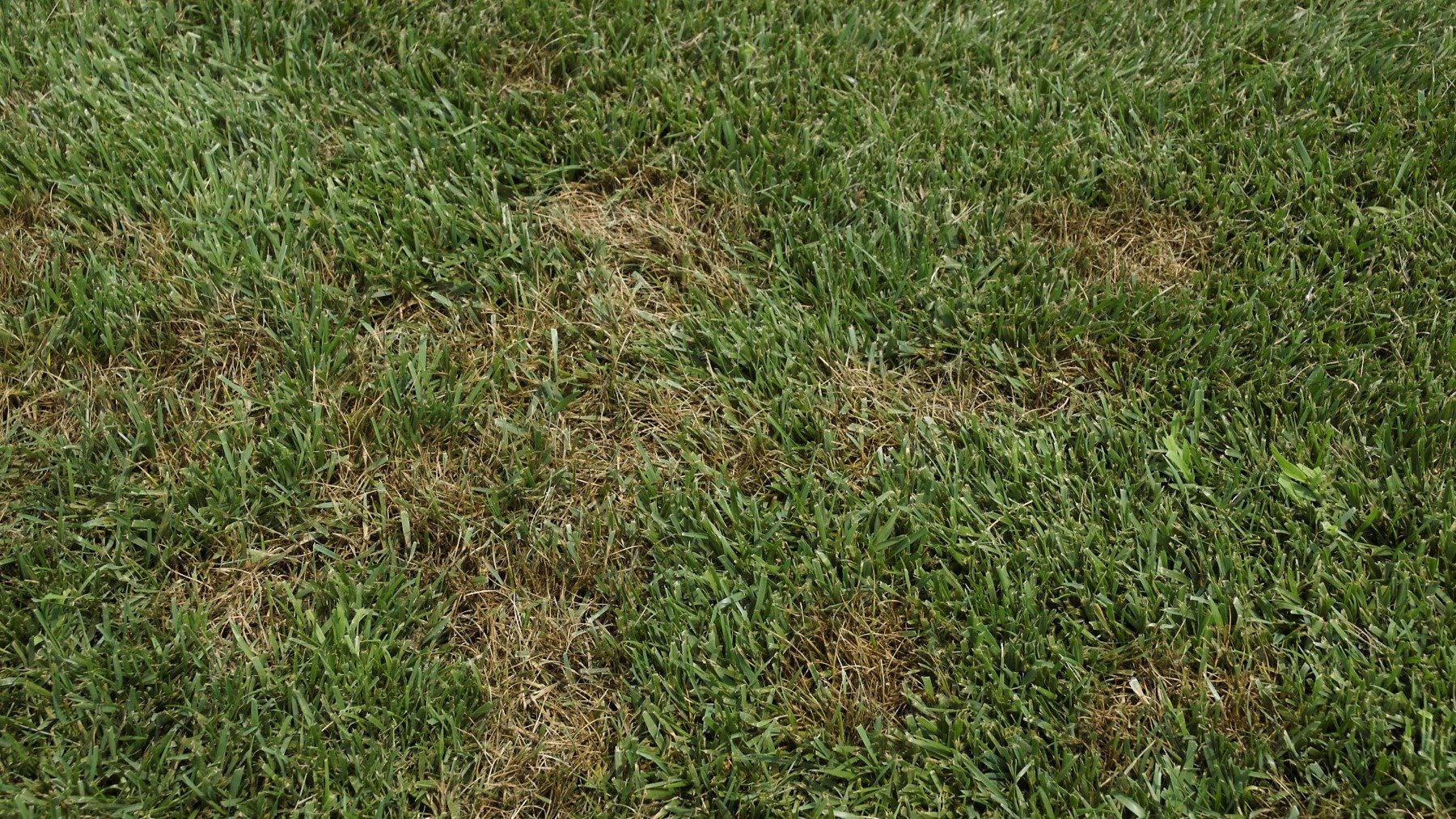
Although it’s sometimes mistakenly called Pythium fungus, Pythium Blight is not a true fungus. Pythium is an oomycete, also sometimes called a “water mold.” Oomycetes are fungus-like organisms but they are more closely related to algae than to fungus. Oomycetes survive in wet conditions as the spores can swim.
We realize that’s probably more science than you needed to know, but it’s an important distinction to make. While fungicides can still work on Pythium, it's usually because they include active ingredients that will also target oomycetes.
Pythium Blight can be highly destructive under the right conditions. It thrives in hot, wet weather and does have the ability to kill a lawn.
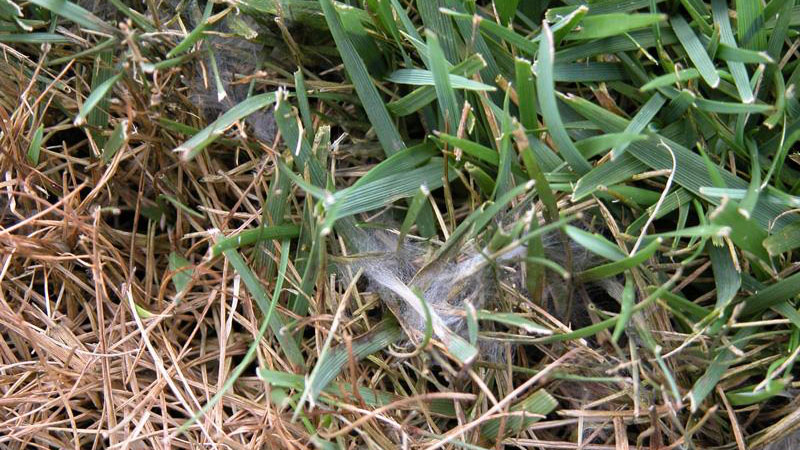
In its early stages, a lawn with Pythium Blight tends to look water-soaked, greasy, and possibly even slimy. In humid conditions, white, gray, or cottony masses also appear on the grass. Severe infections can lead to large patches of grass dying off.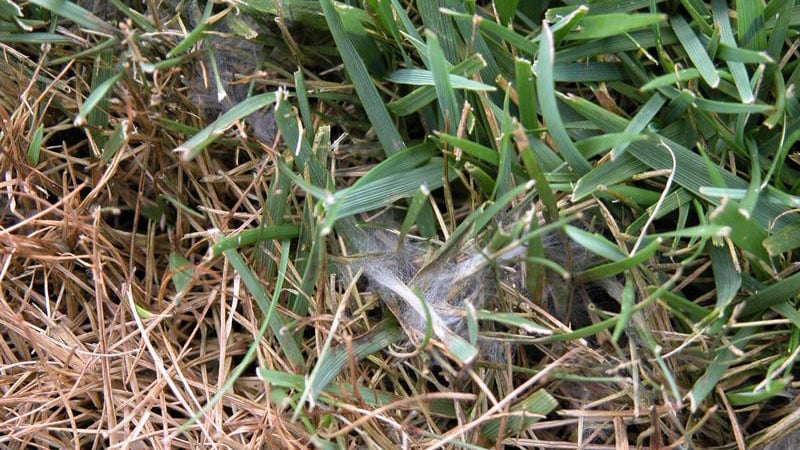
Pythium symptoms tend to pop up after excessive rainfall or irrigation and during long periods of hot weather. Typically, it’s more of a problem in the South, where prolonged hot and wet weather are common. Generally, it doesn’t stay hot here long enough for major trouble but that’s not to say it can’t happen. We have seen Pythium Blight pop up in some local lawns.
Pythium is sometimes a problem in newly seeded lawns, particularly when folks seed during hot weather. This is one of several reasons why we perform seeding in the fall.
Newly seeded lawns are particularly vulnerable since the grass is immature and prone to damage and because the seed must be frequently watered. When these conditions combine with hot weather, it can lead to trouble.
To the untrained eye, Pythium Blight and Dollar Spot can look similar. In fact, to the untrained eye, all lawn diseases tend to have similarities. The grass is usually discolored and dying.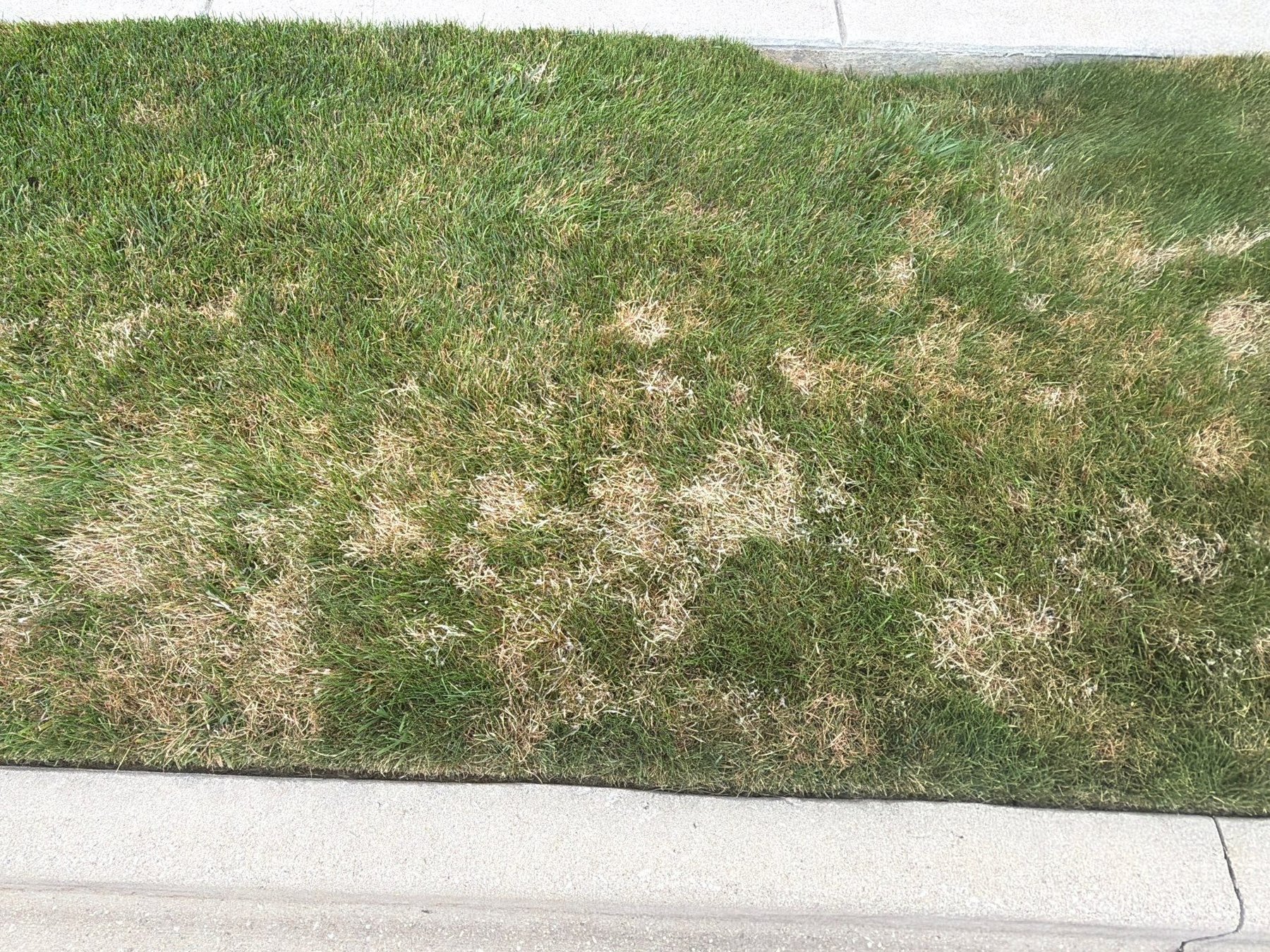
But there are some distinct differences with Pythium symptoms.
For one, the grass usually does take on that wet and greasy appearance we talked about which is different from Dollar Spot, which usually looks dry. Dollar Spot also starts as small round spots, whereas Pythium affects larger, irregularly shaped patches.
The optimal weather for Pythium Blight to spread is very hot and very wet. That includes hot nights. But Dollar Spot, and other lawn fungus diseases, will spread in warm and humid weather (even when there are cooler, damp nights).
Unfortunately, the biggest Pythium Blight identification factor is the speed of the spread. This infection is highly aggressive and spreads a lot more rapidly than lawn fungus. Often by the time homeowners call us about Pythium symptoms, it’s too late and the damage is already extensive.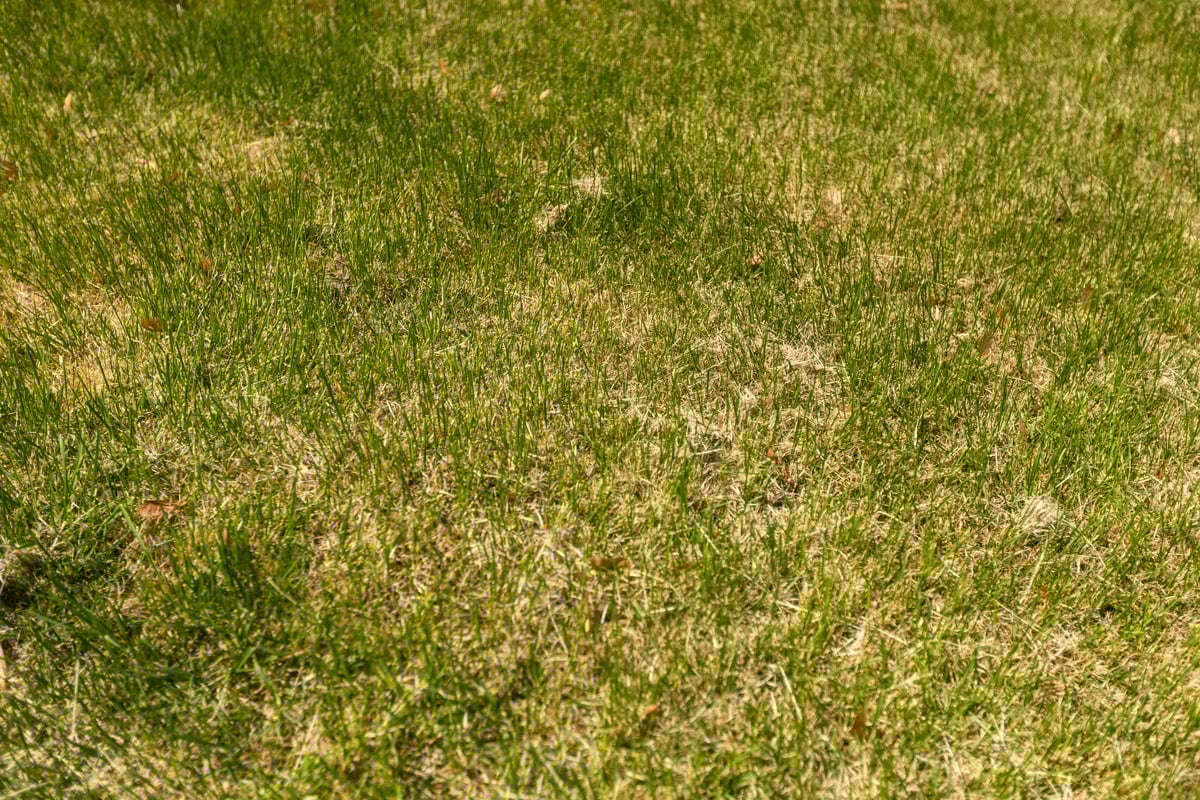
But as we mentioned at the beginning of this article, we truly don’t see a ton of this infection in our region. So, it’s not something you should be worrying about too much. As with many lawn problems, it’s just good to have a basic understanding of what to look for so that you can act quickly.
To treat this infection, you’ll need a fungicide that actually targets oomycetes. A Pythium fungicide is going to have active ingredients like mefenoxam or metalaxyl. You cannot assume that a general fungicide is going to be able to target Pythium Blight.
It’s also important to change the conditions. Since oomycetes thrive in overly wet conditions, this infection usually arises when there is a problem with over-watering or drainage.
Maybe a sprinkler head is leaking or you have standing water in the yard because it’s compacted and not draining well.
Whatever the case may be, you should also look to correct any issues that might be leading to excessive water in your yard.
As we just talked about, a key to preventing future issues with Pythium symptoms would be to take corrective steps in regard to water in your yard. You obviously can’t change the weather, and hot conditions are always going to pop up. But you can make changes in terms of watering.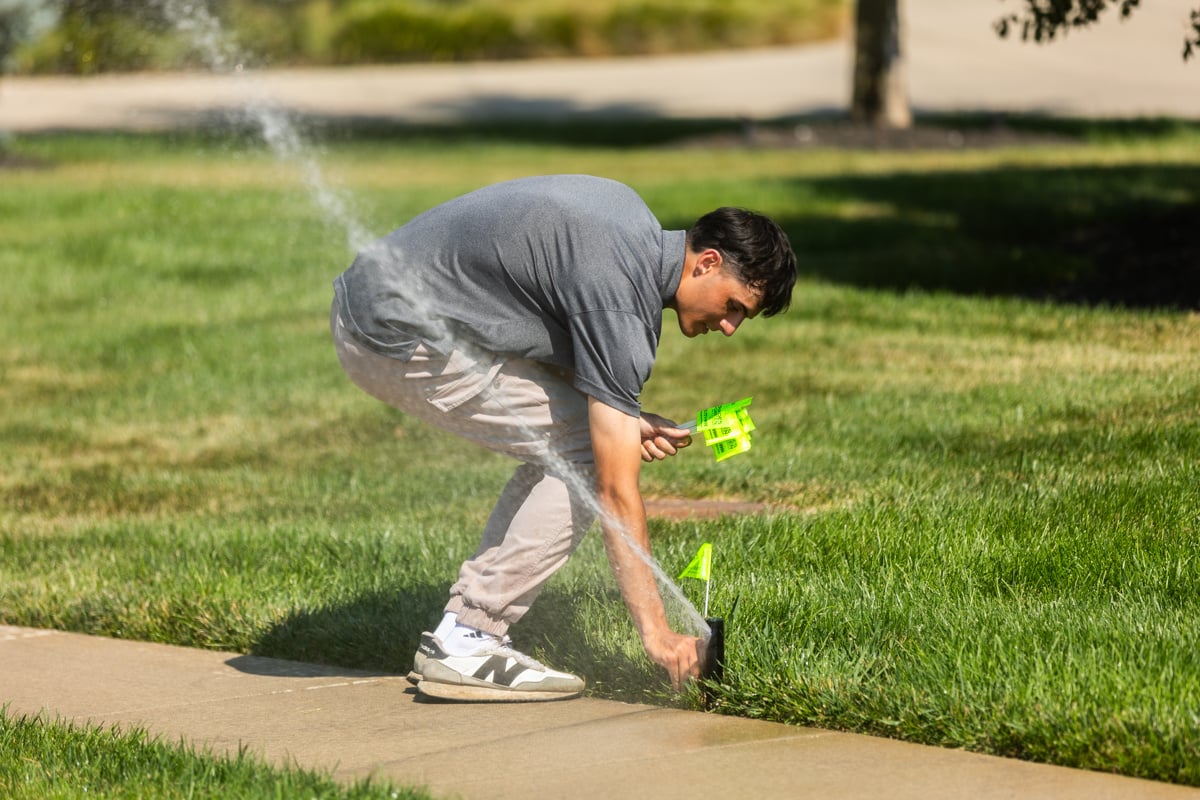
Here are some practical ways that you can reduce too much water in your yard:
You’ll also want to avoid mowing the lawn when the grass is wet. This is simply not a good habit as it can spread lawn diseases around. We also recommend keeping up with regular lawn aeration, as this plays a huge role in reducing compaction and improving yard drainage.
If you have been struck with Pythium Blight, don’t expect that dead areas of your lawn will return. Talk to your lawn care professional about how to fix those dead spots. Then, move onto making important changes (usually water/drainage related) that will reduce the chance of problems in the future.
Pythium Blight is caused by the Pythium species, which are oomycetes (water molds) that infect turfgrass. An outbreak can occur when the conditions are just right (hot and wet). Excessive moisture plays a huge role in a Pythium outbreak.
The best fungicide for Pythium Blight is any fungicide that actively targets oomycetes. As we’ve talked about, Pythium is not actually a fungus as many people mistakenly believe. A Pythium fungicide will need to have active ingredients like mefenoxam or metalaxyl that target oomycetes. You cannot assume that a general fungicide is going to work.
The speed of the spread is usually the biggest Pythium Blight identification factor. It spreads much faster than other lawn diseases. It also has a greasy and wet appearance. Infected grass can look dark, wet, oily, or slimy.
Pythium Blight spreads a lot faster and in much hotter weather than Brown Patch. Both can lead to brown, dead grass. But early on, Pythium usually leaves behind that slimy and greasy look and Brown Patch usually appears dry.
Lawns are resilient and we have seen them bounce back from tough conditions. But it will depend on how much of your lawn was infected and how much actually died. Dead grass is not going to just come back to life. If you have large areas of dead grass, you might need to implement lawn restoration efforts like seeding or sodding. You’ll also want to make sure that you correct any water-related issues (like drainage or a broken irrigation system) that led to trouble in the first place.
Whether your lawn already has a problem or not, having a lawn care pro on your side is always a wise choice. After all, trouble can come on quickly and you want to make sure that you have someone that you can call for help.
Lawn disease is just one of many potential problems your beloved turf might face. We know that identifying lawn problems in Indiana isn’t always easy, and guessing wrong can cost you a lot of time, money, and frustration.
That’s why we always recommend turning to a professional lawn care provider. At Shades of Green, we offer lawn care in Lafayette and Nearby Areas. We also provide services in Carmel, Noblesville, Westfield, and Zionsville.
We can help you implement effective lawn care strategies that will help boost the overall health of your lawn as a whole. We’ll also be there when lawn trouble arises.
We know that figuring out lawn care on your own can be complicated, but we’re here to help! At Shades of Green, you can count on us to provide helpful advice and recommendations while also supporting your lawn with the treatments it needs. That means more time enjoying your lawn and less time stressing about it.
Ready to get your lawn on track this season? Get started by filling out our contact form for your quote.
Image Sources: pythium blight, pythium blight symptom
Envision a Brighter Future for Your Lawn


Cory is the heart and soul of Shades of Green. His dedication to doing right for our customers has been the driving force behind the company's success. With a degree in Turf Science from Purdue University, Cory continually strives to craft the best treatment plans using the latest technologies and innovative products, ensuring top-notch results for every client.