What is the Best Time to Aerate Your Lawn in Indiana?

~6 mins
Like a lot of homeowners, you might have heard about thatch, but you may not be entirely sure what it is. Homeowners often describe thatch to us as dead grass, grass build-up, or sometimes call it grass thatch.
But thatch is actually a combination of a bunch of organic material (both living and dead) that builds up over time between the grass layer and the soil. It contains parts of the grass as well as other organic material, like leaves.
A thin layer of thatch is natural and doesn’t pose any problems. But as thatch starts to build up, a thick layer can give you trouble.
In this article, we’ll dive into the important things you ought to know about thatch in a lawn so that you can set your lawn up for the most possible success.
Jump to:
What is Lawn Thatch?
What Causes Thatch Buildup?
Thatch vs. Dead Grass
Problems Caused by Excessive Thatch
Removing Thatch From Lawn
FAQs on Thatch Buildup
Working with Professional Lawn Care to Manage Thatch Buildup
Thatch is a layer of organic material (usually composed of shoots, stems, and roots) that exists between the grass and soil level. There’s often a misconception that thatch is caused by grass clippings building up, but that’s not the case.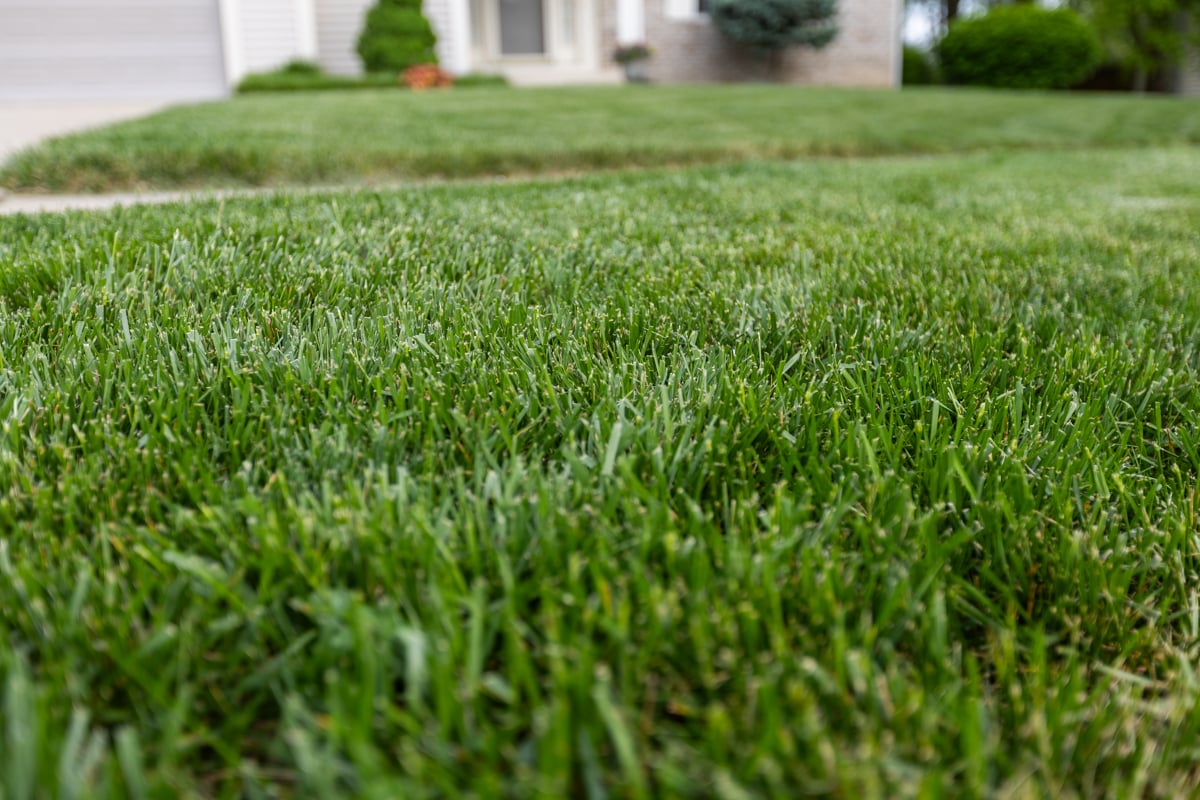
Thatch looks like a brown, spongy layer of grass. It’s not usually super noticeable, unless you have a heavy layer of thatch buildup.
A little bit of thatch is naturally occurring and not problematic. But when the thatch layer builds up heavily, it can start to pose trouble for your lawn.
Thatch can start to build up when dead grass roots, rhizomes, and stems start to accumulate faster than the soil can break them down.
It’s important to understand that healthy soil is full of beneficial microorganisms. These soil microbes produce digestive enzymes which help to break down tough organic material in the thatch layer.
When microbial activity is healthy, it can play a vital role in breaking down thatch buildup and preventing it from becoming a major problem.
Over-fertilization, improper watering, and grass type can also all play a role in potential thatch buildup. Certain grass species are more prone to thatch than others, simply based on the way they grow. Kentucky Bluegrass is the most thatch-prone cool-season grass in our region due to its extensive underground rhizome system.
Thatch and dead grass can look similar - both are brown.
But looking at where it’s located and what it feels like can help you tell the difference. A thatch layer is located between the layer of green grass and the soil, whereas the grass itself is that top layer. The thatch layer usually looks tangled and messy.
In addition, thatch has a different feel from grass, or dead grass. It feels spongy because it’s a lot like a natural mattress, made up of woven fibers.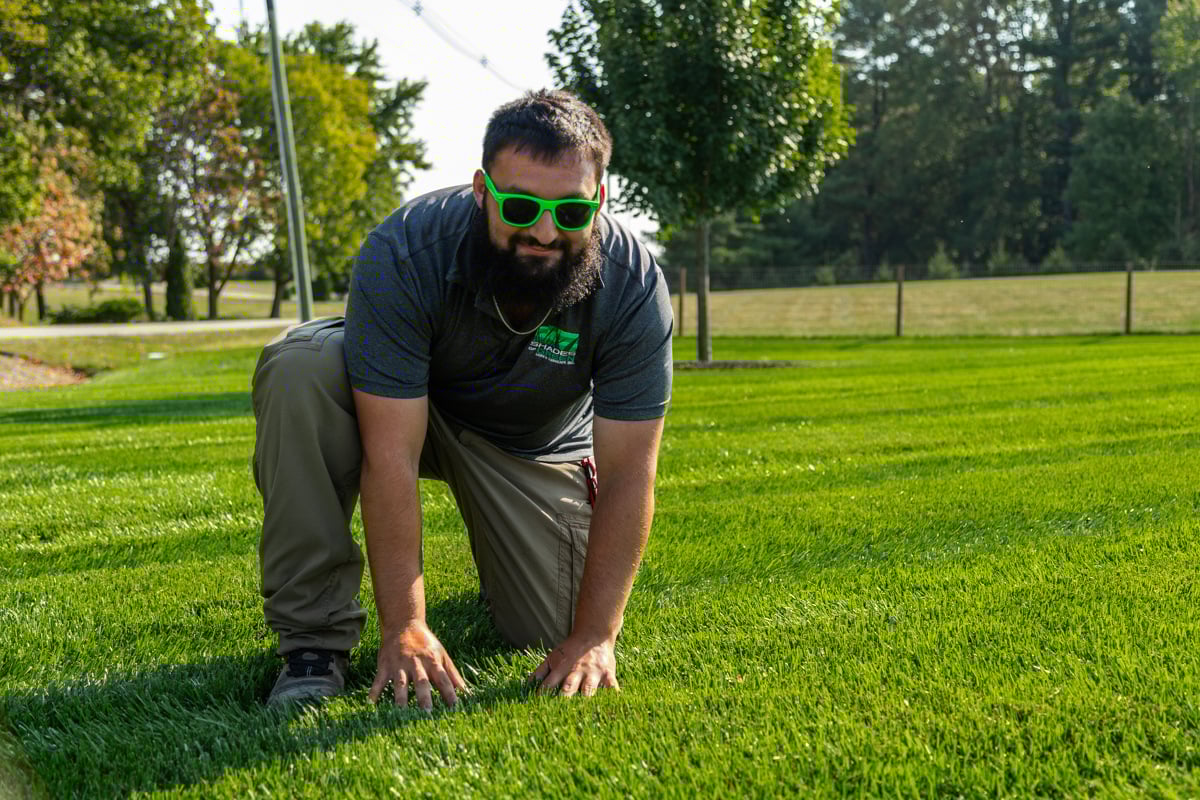
Sometimes homeowners will say their lawn has a springy feel to it when walking across the lawn. You might notice this before any visible signs of thatch appear. If you feel like you’re bouncing across your lawn (like Tigger the tiger), that could be a warning sign!
In general, a little bit of thatch isn’t a problem. In fact, a thin layer can be beneficial as it acts like an organic mulch. This can protect roots from the hot sun and help retain some moisture.
But there are a few problems when the thatch buildup becomes excessive. Usually a half inch or more of thatch is too much.
Too much thatch can create a pest problem, as certain lawn pests prefer to hide-out in that layer.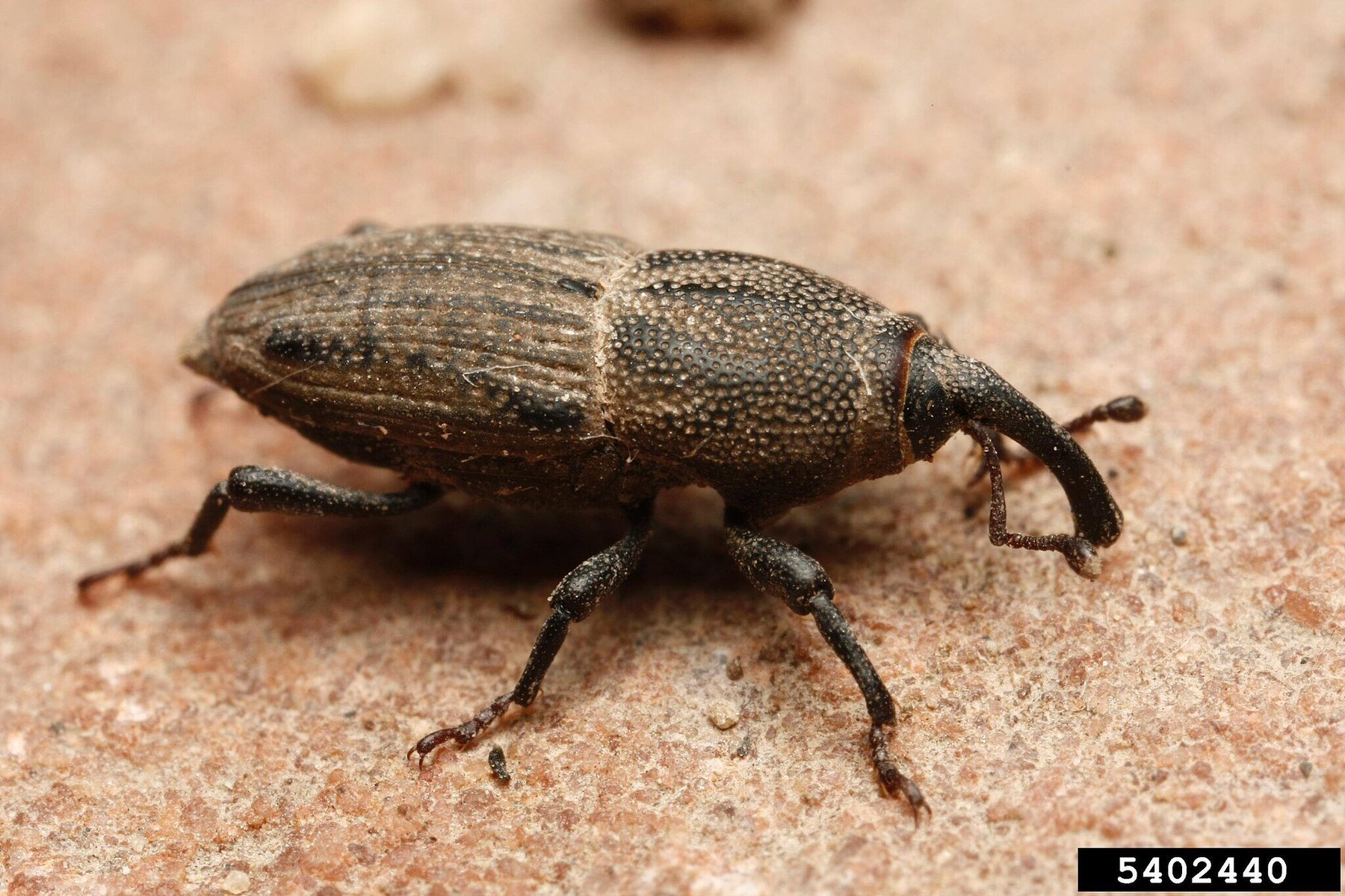
Chinch bugs, sod webworms, and billbugs for instance, love to hide in a layer of thatch. A thick layer of thatch helps to shelter these pests from predators and weather. It also blocks pest control products from reaching them.
Too much thatch can also make your lawn more susceptible to disease because that layer tends to remain moist and dark, which is perfect for fungus to grow and spread. Excessive thatch can lead to Dollar Spot, Brown Patch, and in severe cases, Pythium Blight.
A really thick layer of thatch is also going to start to cause problems for the healthy growth of your grass as it will block access to sunlight, nutrients, and water. This can force grass roots to grow shallow and even push upward toward the surface.
People often think of power raking as the key way to de-thatch a lawn. The trouble with this service is that it is highly aggressive and typically ends up tearing up healthy turf along with tearing up thatch.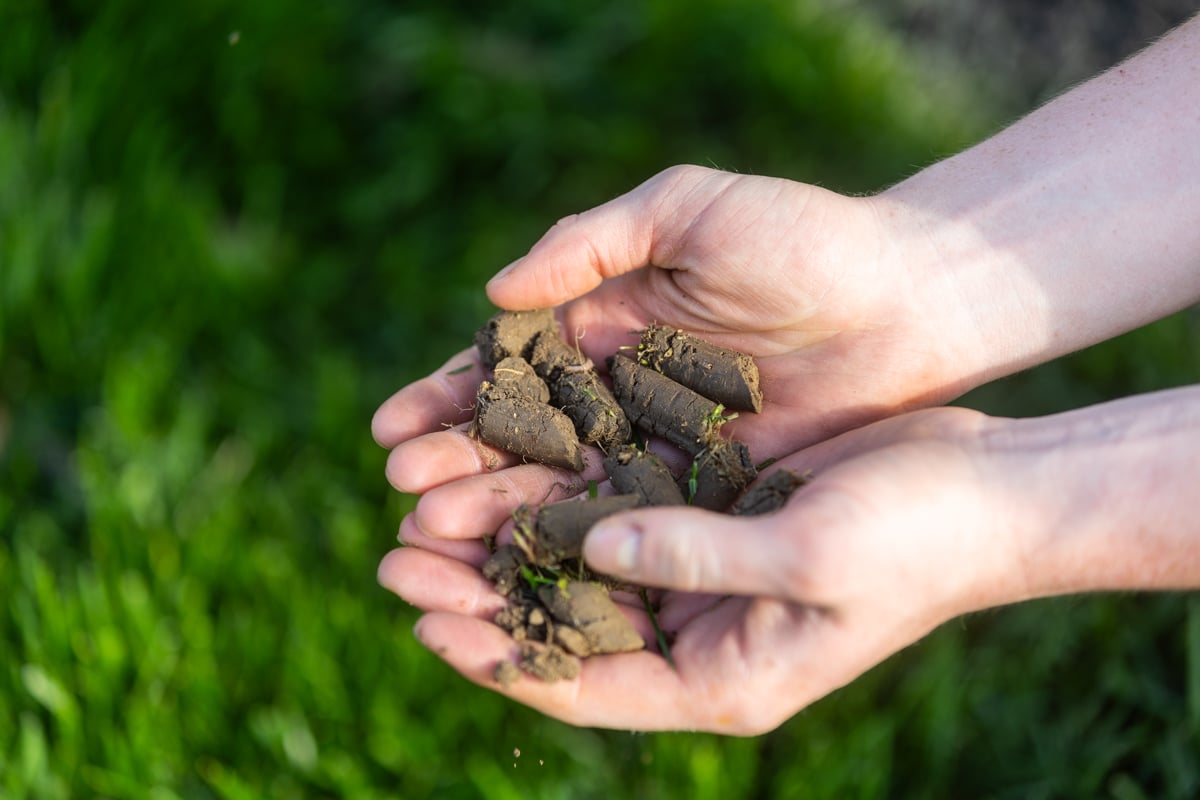
We recommend using a combination of mechanical core aeration and our liquid aeration service to successfully remove thatch from a lawn. Utilizing both of these services together can be highly beneficial.
Core aeration is all about relieving compaction. When your lawn is getting trampled by kids, dogs, mowers, and Mother Nature herself, the soil gets squeezed tight. Roots can’t breathe, nutrients like fertilizer can’t get where they need to go, and everything starts to feel kind of suffocated. Core aeration opens it all back up, bringing oxygen straight to the root zone and improving airflow.
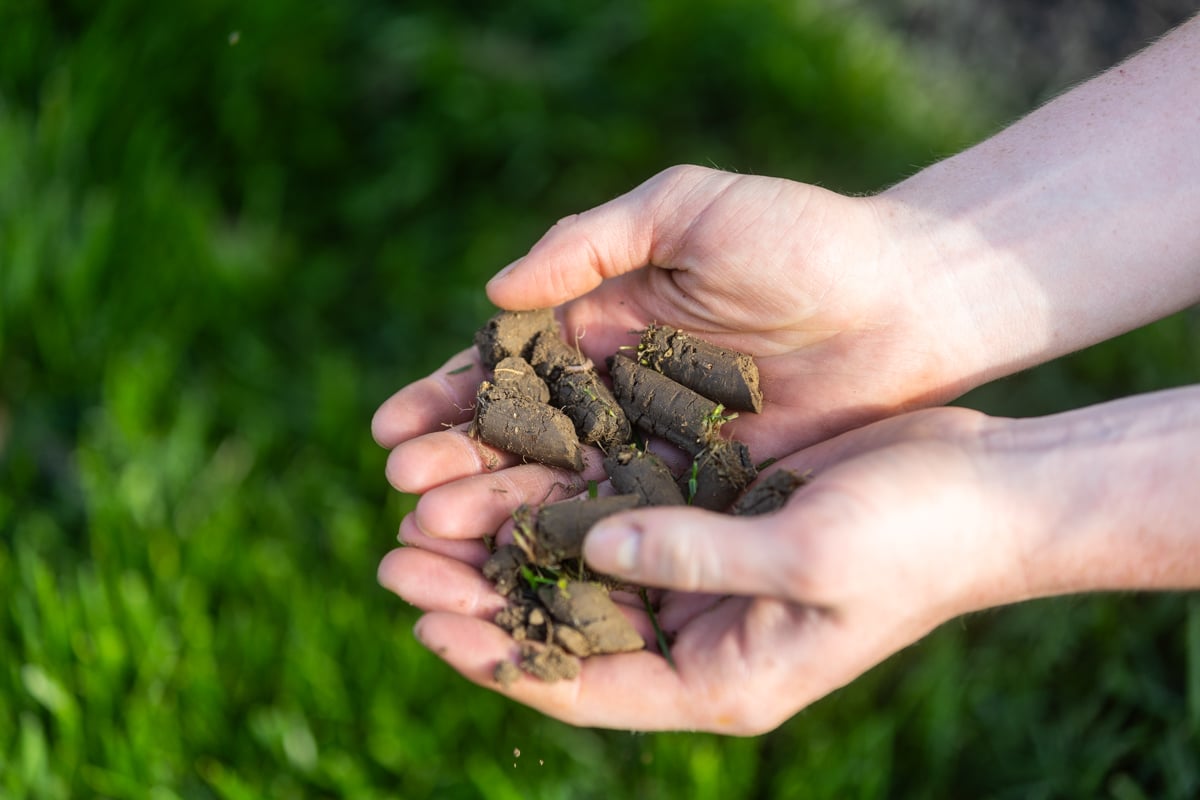
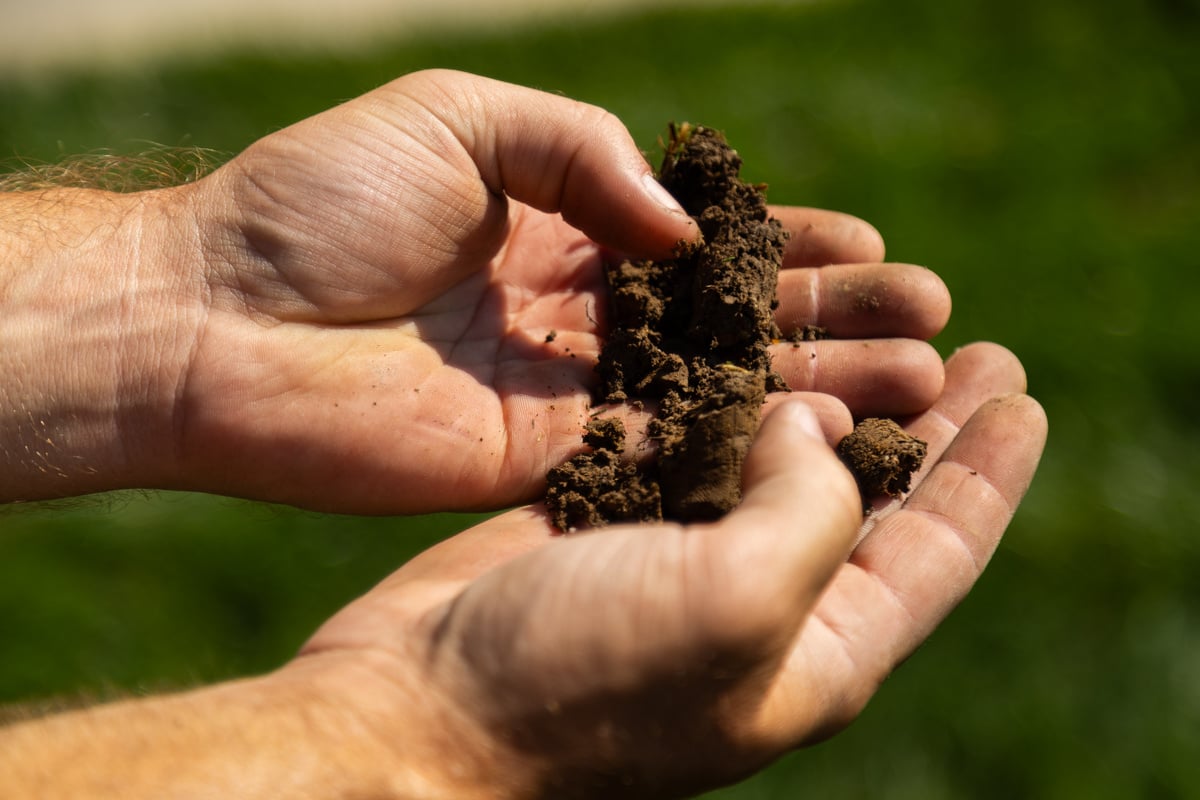
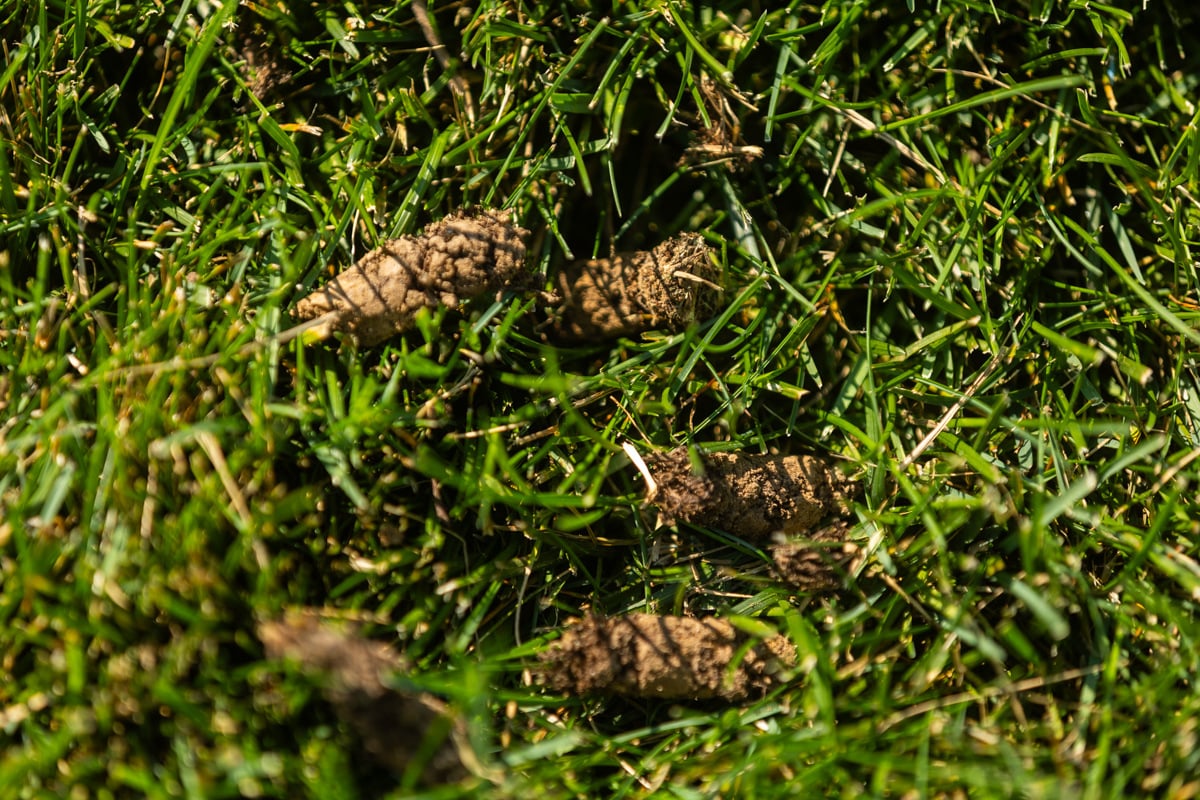
During aeration, the cores of soil that are pulled are left on the lawn’s surface where they can naturally decompose and improve microbial activity. This is going to have a big impact on reducing thatch.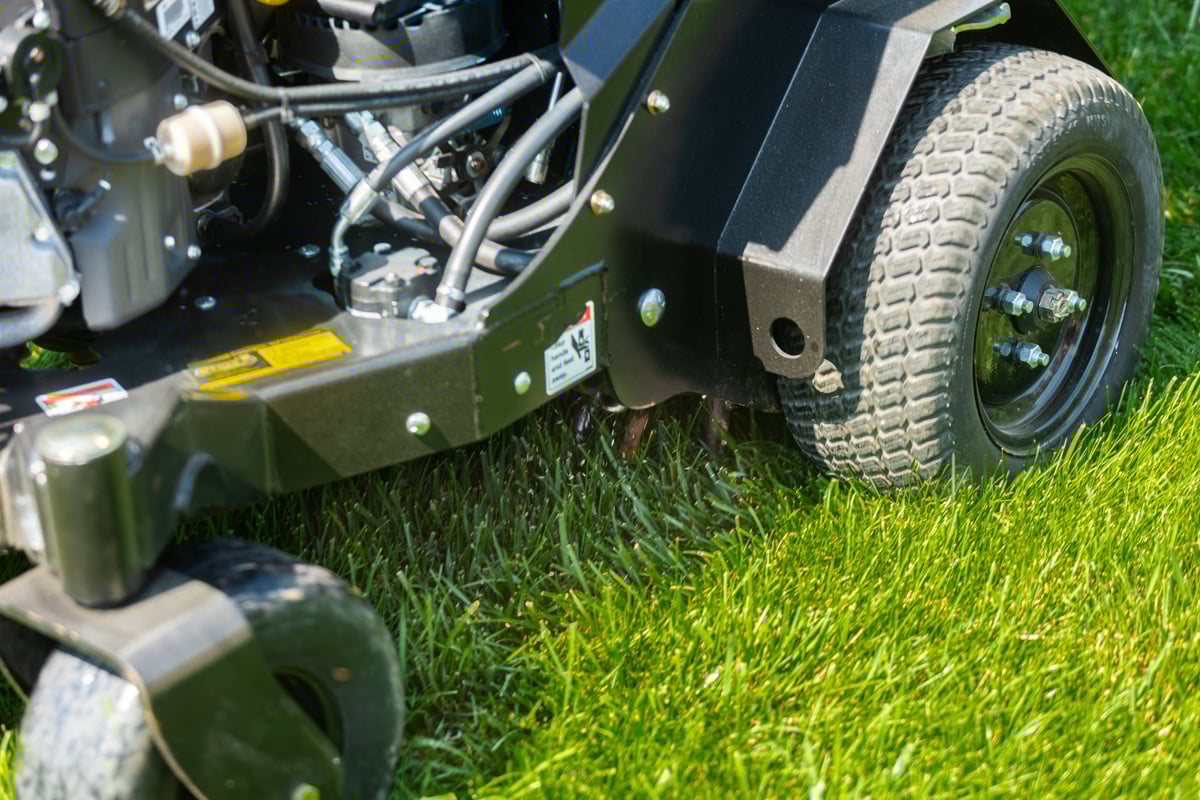
Liquid aeration (our program is called “Soil Builder”) is a little different. During this service, we treat lawns with a custom blend of beneficial bacteria and fungi that strengthen the lawn’s microbial activity, which in turn, helps break down thatch layers. It also releases nitrogen naturally as things decompose.
That means greener grass, stronger roots, and less buildup of that annoying layer that makes your lawn feel like a sponge.
While you can buy a thatch remover spray at the local hardware store, we have typically found that these products generally require repeated applications by homeowners to really start to make a difference on the thatch layer. It’s obviously a tough layer to break through and attempting to break it down with applications on your own might be tough.
We believe the combination of mechanical core aeration plus a liquid aeration service that is focused on using biostimulant formulas is the best approach.
Yes, core aeration can start to reduce thatch buildup over time. There’s a few ways that it does this.
For one, the deposited cores of soil left on the lawn’s surface will start to naturally decompose and introduce microbial activity into the soil. These microbes will eventually start to break down thatch.
Core aeration also helps to improve air flow, which will stimulate aerobic bacteria to digest thatch.
Finally, core aeration also breaks down compaction, which creates space. This allows other products (like liquid aeration products) to be able to do their own work of introducing beneficial microbes into the soil.
Yes, too much thatch buildup can definitely create an environment that both lawn diseases and pests can thrive in.
As the thatch layer starts to pass a quarter inch is when you might start to worry that it’s building up too much. Ideally, you do not want thatch to be more than a half inch.
Dethatching with an aggressive tool like a power rake can be damaging to healthy turf. We recommend using mechanical core aeration and liquid aeration to reduce thatch buildup. These services are going to be beneficial to your healthy grass.
Whenever it comes to troubleshooting problems with the lawn, we always recommend calling in a pro. You shouldn’t have to figure all of this out on your own.
One of the key benefits of choosing professional lawn care in Lafayette and nearby areas is that you’ll have an expert on your property helping you make decisions. At Shades of Green, we also provide services in Carmel, Noblesville, Westfield, and Zionsville.
We can help you implement effective lawn care strategies that will begin to reduce excessive thatch growth and also boost the overall health of your lawn as a whole.
We know that figuring out lawn care on your own can be complicated, but we’re here to help! At Shades of Green, you can count on us to provide helpful advice and recommendations while also supporting your lawn with the treatments it needs. That means more time enjoying your lawn and less time stressing about it.
Ready to get your lawn on track this season? Get started by filling out our contact form for your quote.
Image Sources: bluegrass billbug
Envision a Brighter Future for Your Lawn


Cory is the heart and soul of Shades of Green. His dedication to doing right for our customers has been the driving force behind the company's success. With a degree in Turf Science from Purdue University, Cory continually strives to craft the best treatment plans using the latest technologies and innovative products, ensuring top-notch results for every client.