Before and After: 6 Lawn Aeration and Overseeding Care Tips

~4 mins
After a long winter, there is simply nothing better than your landscape starting to wake up and look alive again. However, like many Indiana homeowners, your grass might be looking a little patchy, thin, and rough around the edges. And unfortunately, it is usually the first thing you notice when pulling in the driveway.
Naturally, your brain goes straight to filling in those bare patches and bringing your lawn back to full health. And, this is exactly why we hear the question: “is spring actually a good time to seed my lawn?” nearly every year. The short answer is, yes, it can work, but it often creates more problems than it solves.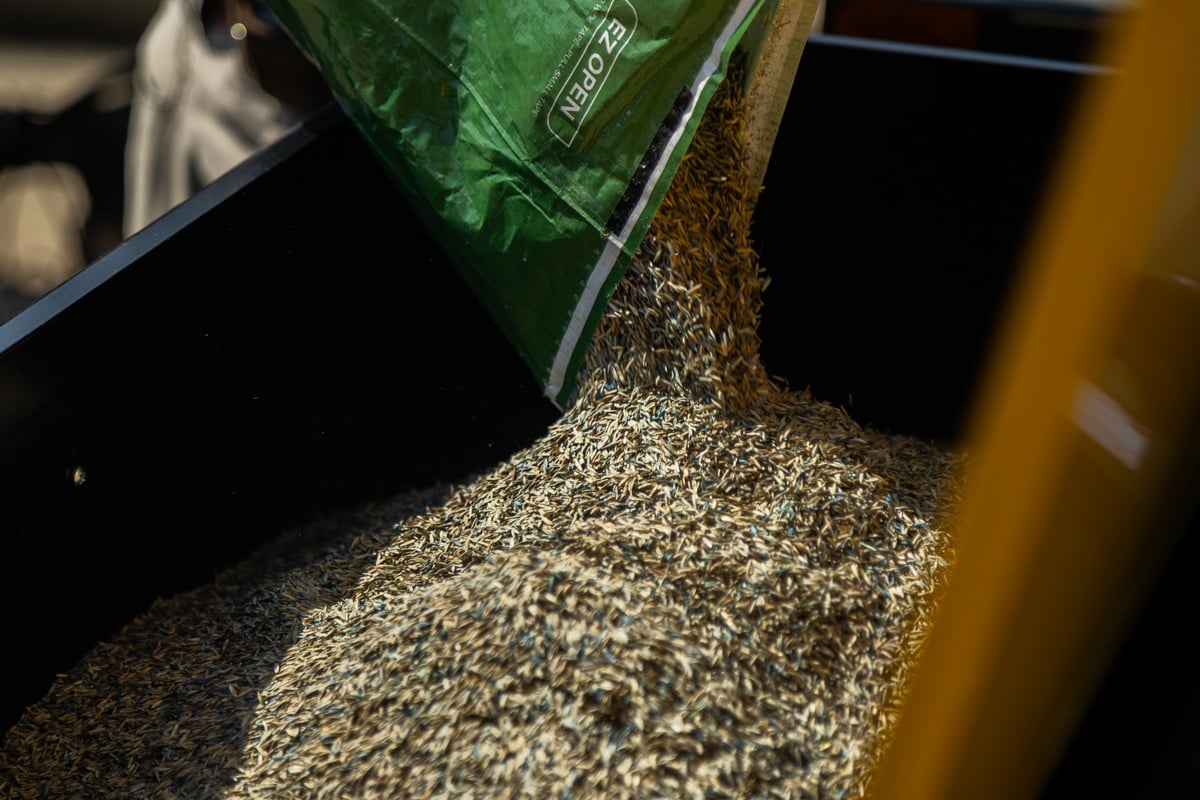
Before you grab a bag of seed and get started, it is worth understanding what you are signing up for and why we recommend against spring seeding. From weed pressure and limited treatment options to tight timing and summer stress, spring seeding comes with many challenges that can catch you off guard.
Jump To:
1. You Can't Use Pre-Emergent
2. You Can't Use Post-Emergent
3. Your Growing Window Is Too Short
4. You Create a High-Maintenance Lawn for Summer
5. You Overestimate the Helpfulness of Spring Rain
When is the Best Time to Plant Grass Seed in Indiana?
Working with Shades of Green for Seeding and Lawn Care
If you have ever wondered when to plant grass seed, spring probably feels like the obvious answer. Everything is waking up, buds are popping on your trees, flowers are starting to push out of the soil and, let’s be honest, you are beyond ready to fix up those thin spots in your turf. But, unfortunately, spring overseeding takes one of your best weed-fighting tools completely off the table.
Pre-emergent weed control is what stops crabgrass and other weeds before they can even get started. It works by preventing seeds from germinating and taking root. However, pre-emergents cannot tell the difference between weed seeds and brand-new grass seeds. If you put it down right around when you seed, your grass will not grow. If you skip it, things start to get really messy. 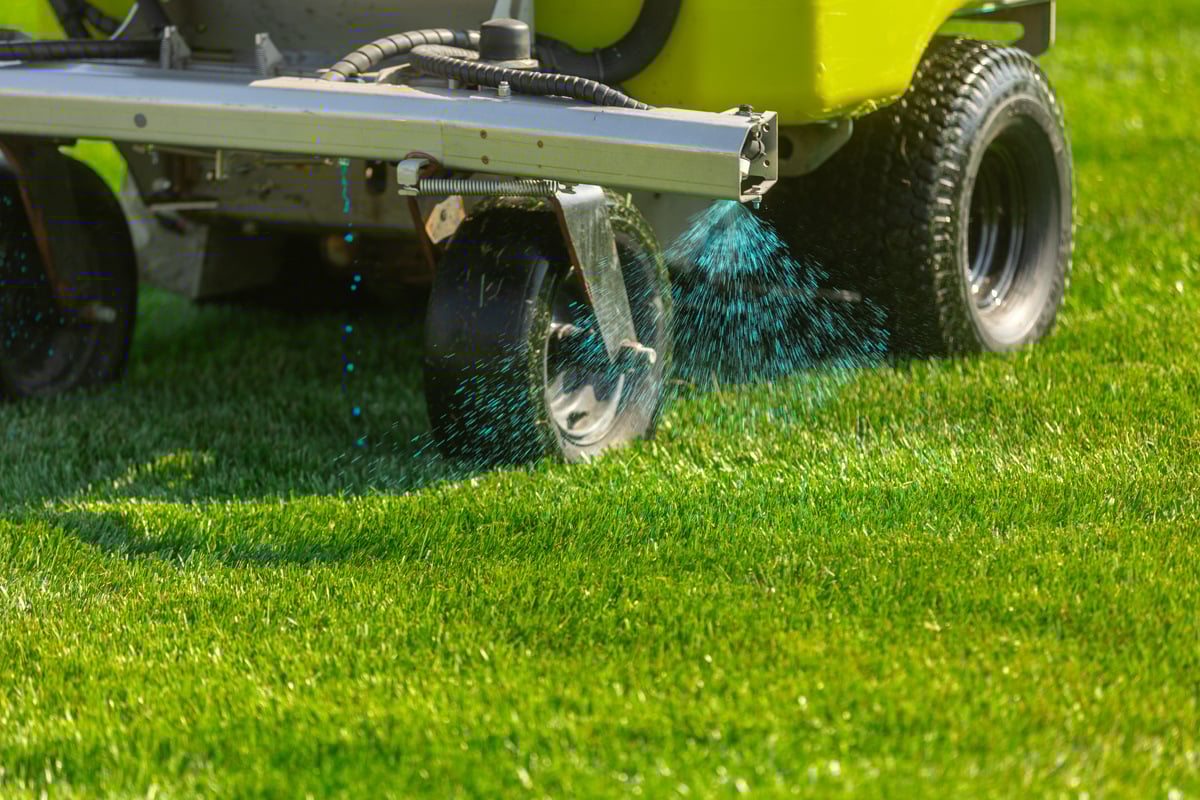
Without pre-emergent, your lawn is basically a weed’s dream. All those dormant weed seeds that have been sitting in the soil are just waiting for the right moment. What helps weeds thrive is exactly what your new grass requires: water, sunlight, and warm temperatures. So while you are watering your new seeds, you are also unintentionally giving weeds the perfect environment to explode.
This is why timing matters so much when you are deciding when to seed a lawn. Spring might seem like the perfect fresh start, but it actually turns into a nightmare of weed pressure that can quickly take over before your new grass even has a chance.
The second catch of seeding in the spring is that you have to hit pause on post-emergent weed control too. Post-emergents attack weeds that have already established themselves. You cannot just spray them as you typically would. New baby grass is very sensitive, and most post-emergent weed control treatments stress it out or can even wipe it out completely.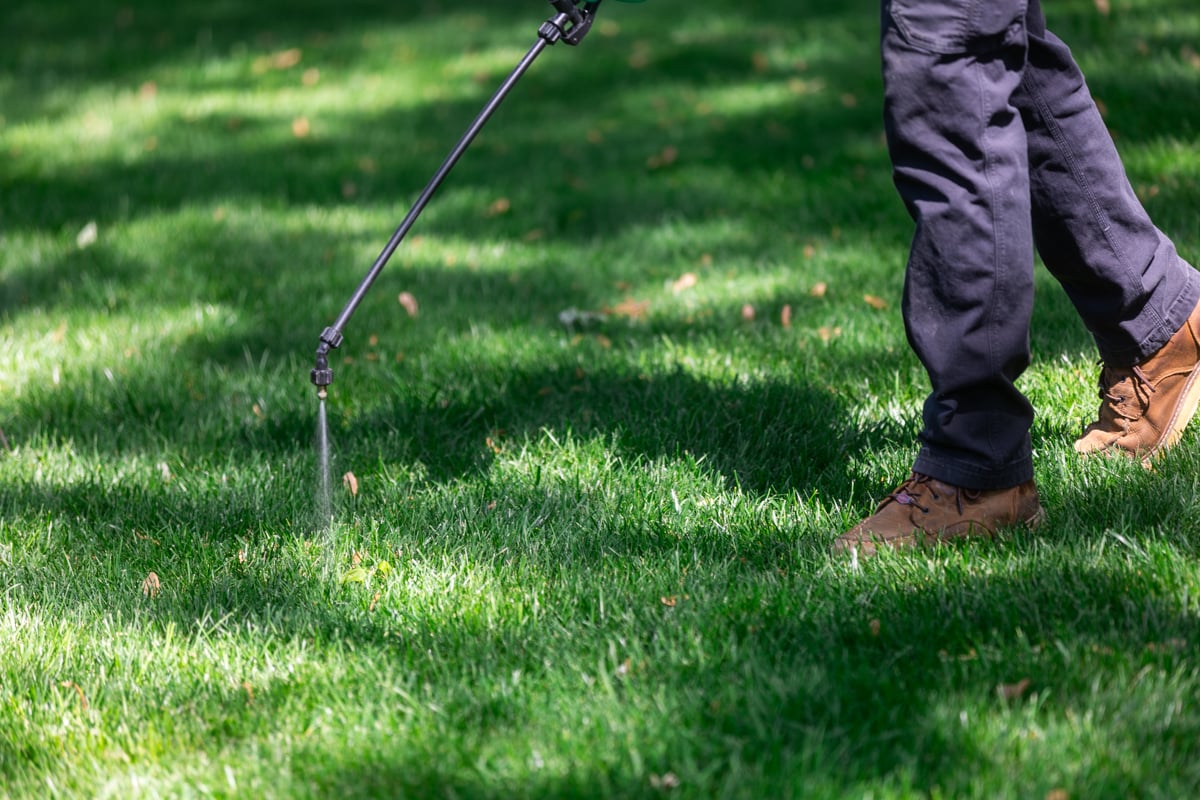
The rule for post-emergent applications is that you must wait until your new grass is established enough to have been mowed twice. But by the time you can finally treat the weeds, they have already made themselves at home. Instead of staying ahead of things, you are playing catch-up. With your new grass trying to establish, weeds are actively competing for water, nutrients, and sunlight, and there is not much you can do about it.
Grass seed and crabgrass (one of your lawn’s biggest enemies), both start germinating at around the same soil temperatures. Cool-season grasses have a very short window in the spring to do everything they need to do. Depending how quickly temperatures climb, 4-6 weeks is not much time to germinate, establish roots, and start maturing before the heat hits.
Once temperatures start to rise into the mid-70s, your grass shifts into survival mode. Instead of actively growing and building strength, it is actually burning more energy than it can produce just to stay alive. This means the shallow roots of your baby grass, combined with slower growth, will result in a lawn that never really gets a good, solid foundation.
By the time summer rolls around, your spring-seeded grass is left in a tough spot. Because it had such a short window to establish, the shallow root system combined with summer heat, means your baby grass is going to be under constant stress and need lots of care.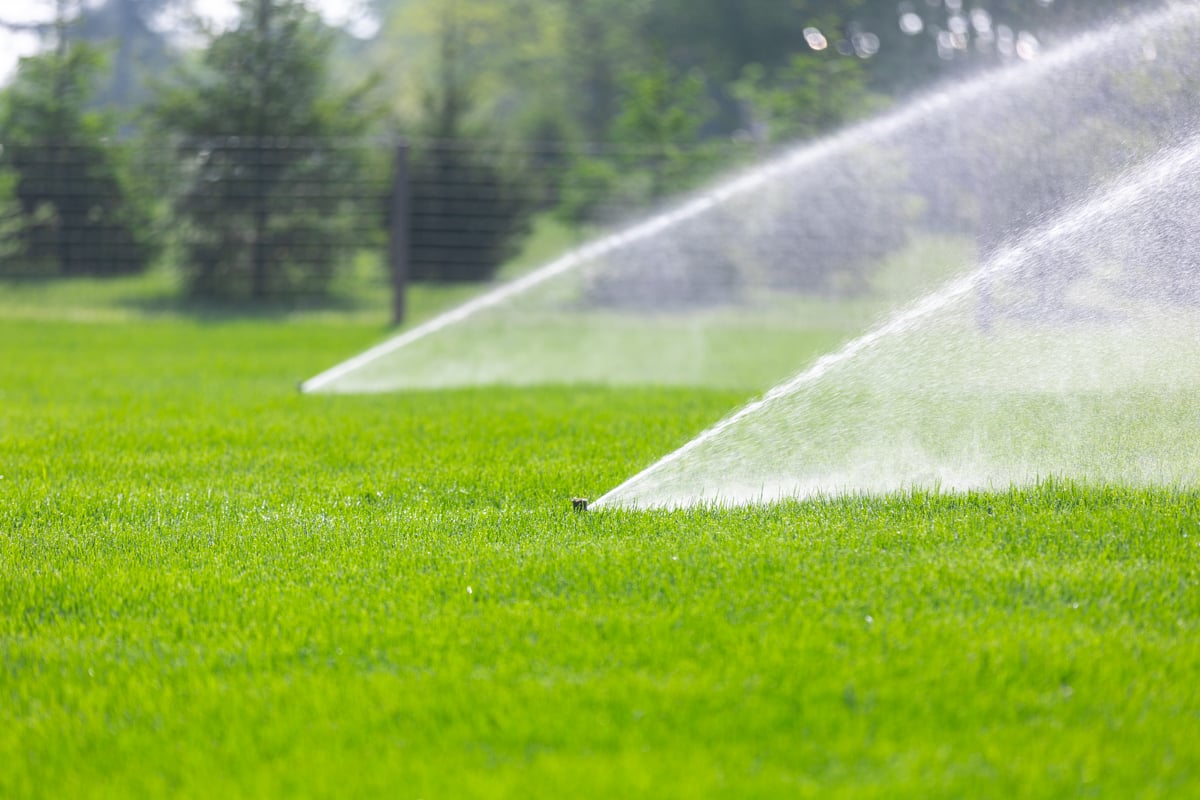
To make it through the summer heat, you will have to water your new grass a lot. Frequent watering becomes one of the only things helping your new grass stay alive. However, too much moisture - especially during warm weather - creates the perfect environment for lawn disease to move in. Once disease takes hold, costly fungicide treatments will be needed. All the while, your grass is still thin, fragile, and easily damaged from foot traffic, mowing, or even just a long stretch of hot days.
Think of your grass like a baby trying to run a marathon (crazy idea, we know, just stick with us). While they could get moving for the first few hundred feet, their tiny bodies simply do not have the strength, muscle, or reserve to handle the stress running such a long distance puts on the body. Your grass, just like that poor baby, gets put under so much pressure that it requires a crazy amount of work and upkeep to give it even a chance of survival.
Does the phrase “April showers bring May flowers” sound familiar? The fact that it rains a lot in the spring may be one of the reasons most people assume the spring is a great time to seed. However, in reality, spring rain doesn’t behave the way we always need it to.
Lately, here in Indiana, our spring rains have not been slow and consistent. We are seeing more intense and heavy storms, which become a big problem when you have just put seed down. If you seed too early when soil temperatures are not ready yet, those big downpours can actually wash the seed away before it has a chance to germinate. Also, the timing of spring rain is unpredictable. You might get a stretch of dry days followed by a massive storm, which is just not ideal for germination. Grass seed does best with the light, frequent moisture we more often see in the fall.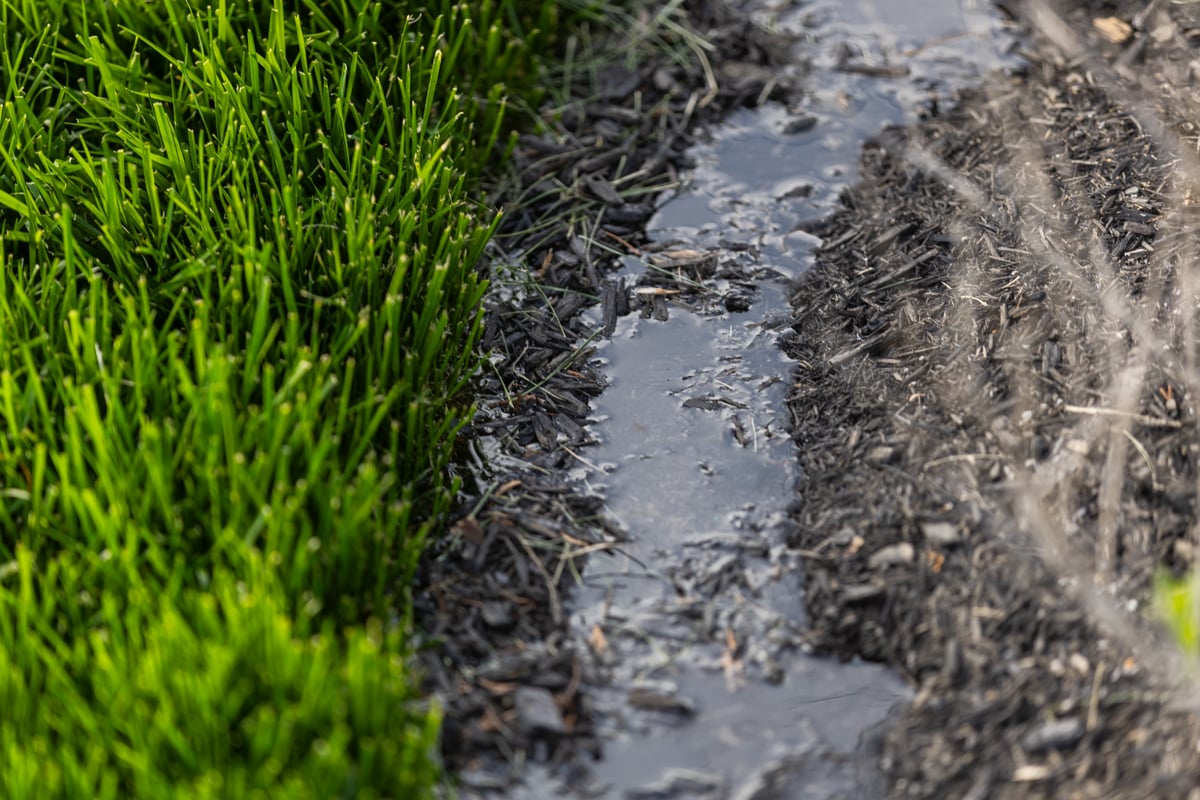
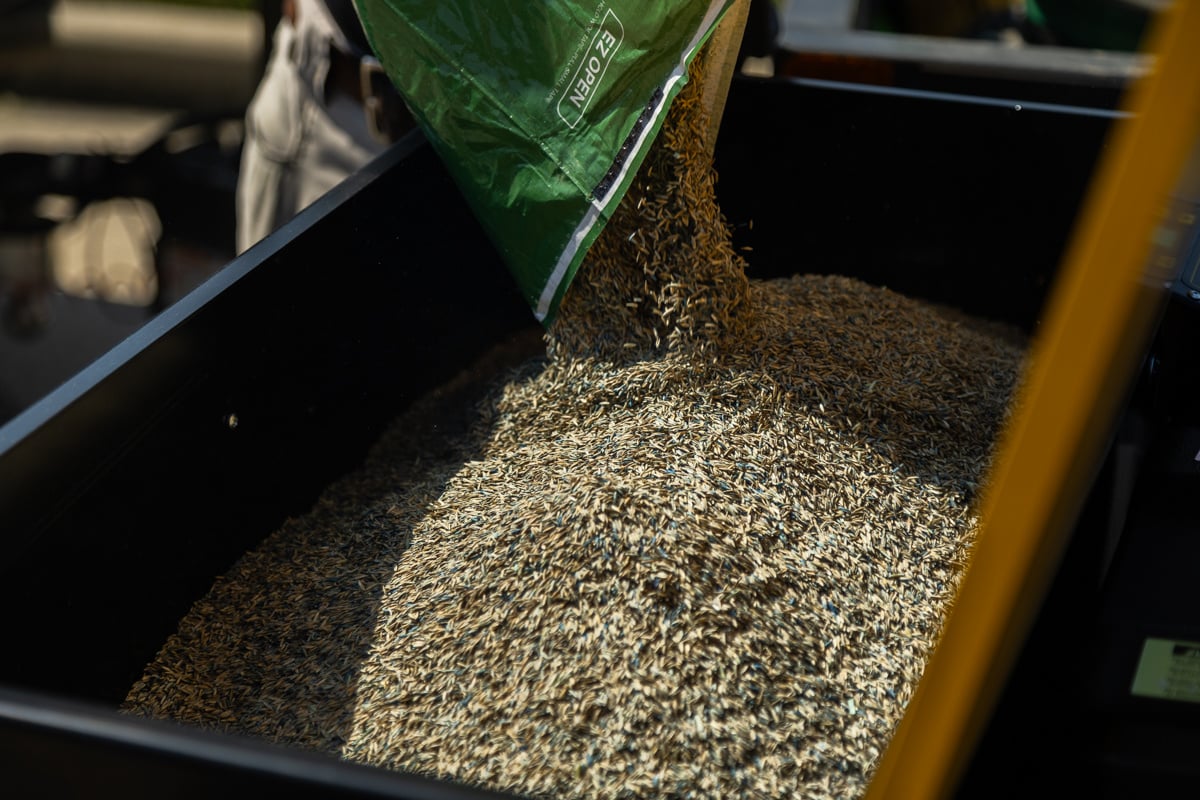
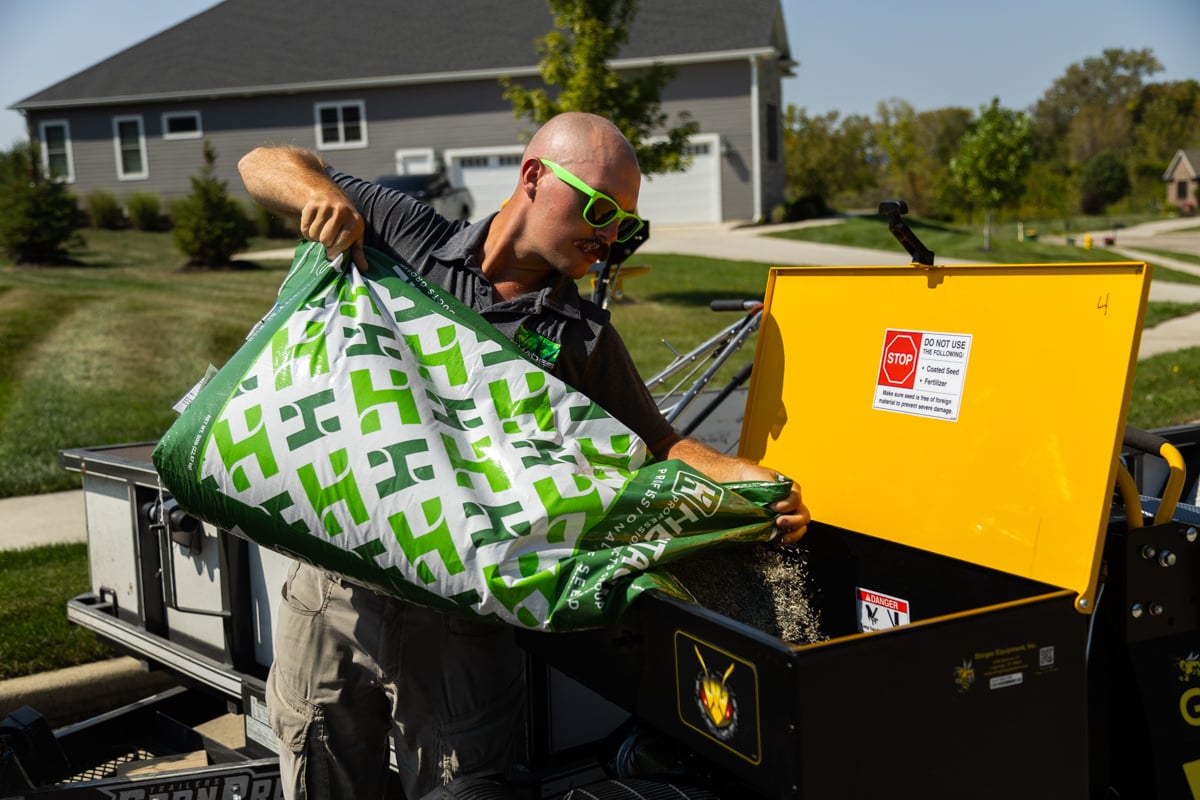
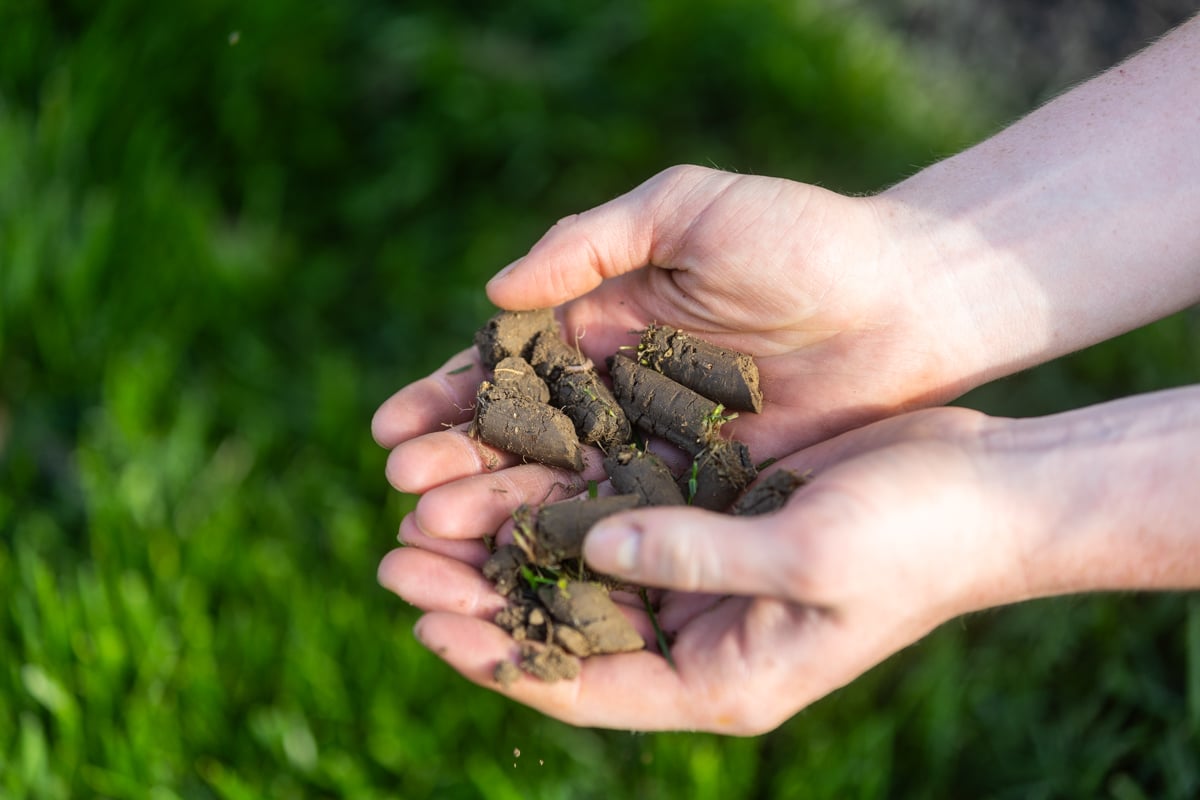
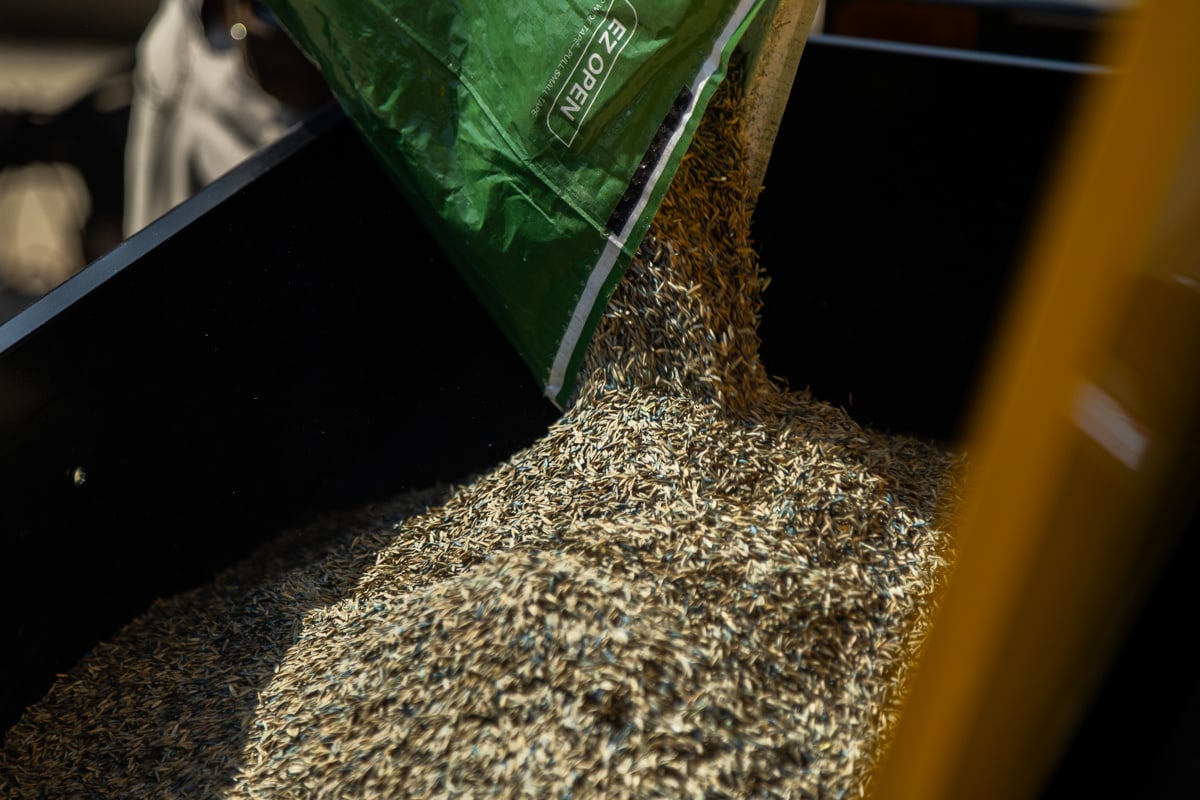
The question of ‘when to plant grass seed’ is one we hear so often, we actually wrote an entire blog about when and how to seed your lawn well here in Indiana. If you are looking to do it right, we recommend you check it out in full, but here is a quick summary. The best time to plant grass seed in Indiana is late summer to early fall, think between August 15th and September 15th. The conditions are ideal because the soil is still at a perfect temperature, the air temperatures are starting to cool, and you have better control over weeds and watering schedules. Seeding in the fall is a perfect service to pair with aeration, which can help the seeds perform even better.
While spring seeding isn’t completely impossible, it certainly comes with a pretty long list of challenges. Because of the increased weed pressure, limited treatment options, short growing window, and high maintenance requirements in the summer, it many times turns into more work and expense than you might be expecting.
If you do decide to seed in the spring, it is essential to go into it with the right expectations. At Shades of Green, we usually require a fall overseeding and aeration to help thicken and strengthen the lawn along with your spring seeding. 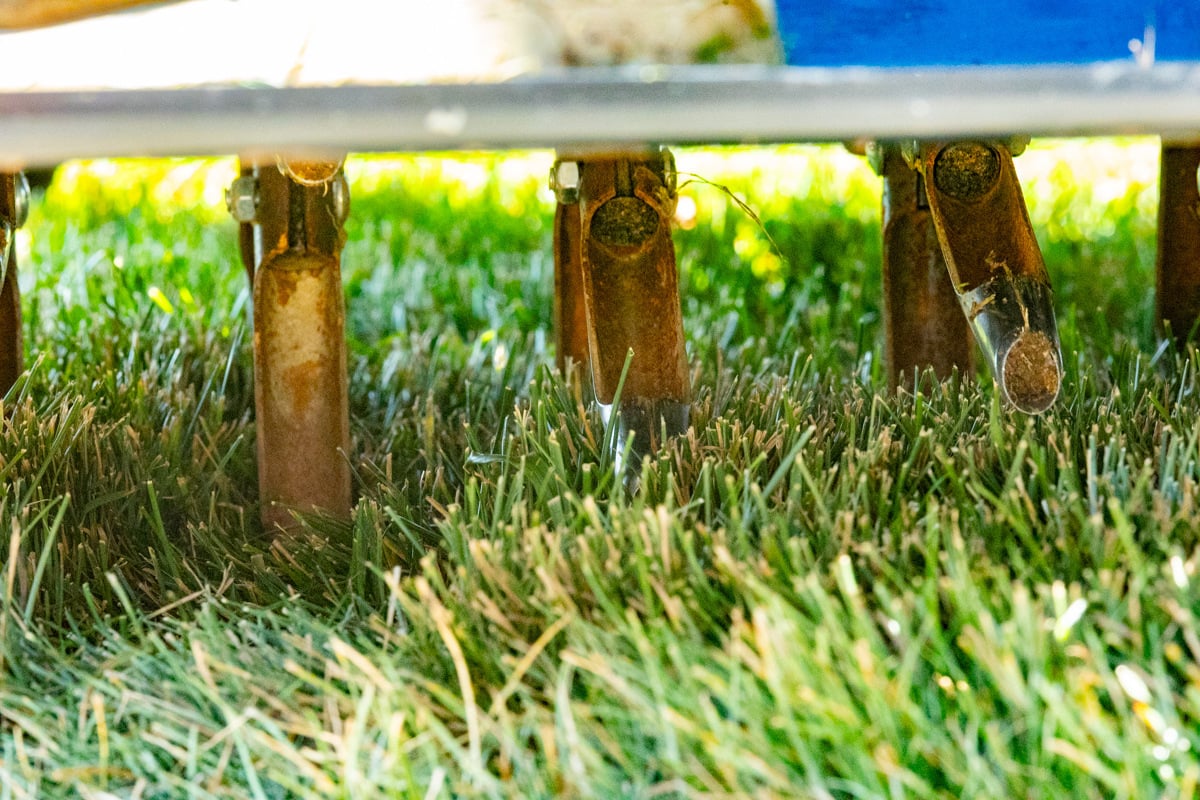
Seeding and lawn care here in Indiana can get complicated very quickly, but you don’t have to figure it out on your own. Whether your lawn needs repair, thickening, or a total turnaround, we can help guide you toward the right timing and approach for the best long-term results.
Ready to get your lawn on track this season? Get started by filling out our contact form for your free seeding quote.
Envision a Brighter Future for Your Lawn


Cory is the heart and soul of Shades of Green. His dedication to doing right for our customers has been the driving force behind the company's success. With a degree in Turf Science from Purdue University, Cory continually strives to craft the best treatment plans using the latest technologies and innovative products, ensuring top-notch results for every client.