
Lawn Rust vs. Red Thread Disease: What's the Difference?

Are you noticing discoloration in your lawn? If your grass is turning red or orange, then it’s possible that you might have a disease like Red Thread or Lawn Rust.
In this article, we’ll talk about Red Thread vs. Lawn Rust, including what makes them different and how to approach treatment for either. We understand that lawn problems, like turf disease, are a major source of stress and we are here to help.
Jump To:
Lawn Rust vs Red Thread: The Quick Difference
What is Lawn Rust Disease?
What is Red Thread in a Lawn?
What Causes Lawn Rust and Red Thread Disease?
How to Treat These Lawns Diseases
Getting the Right Diagnosis from a Lawn Care Pro
FAQs on Red Thread and Lawn Rust
Partnering with Shades of Green for Your Healthy Lawn
Lawn Rust vs Red Thread: The Quick Difference
At a quick glance or to the untrained eye, Lawn Rust or Red Thread in the lawn might appear similar. But there are definitely ways to tell them apart.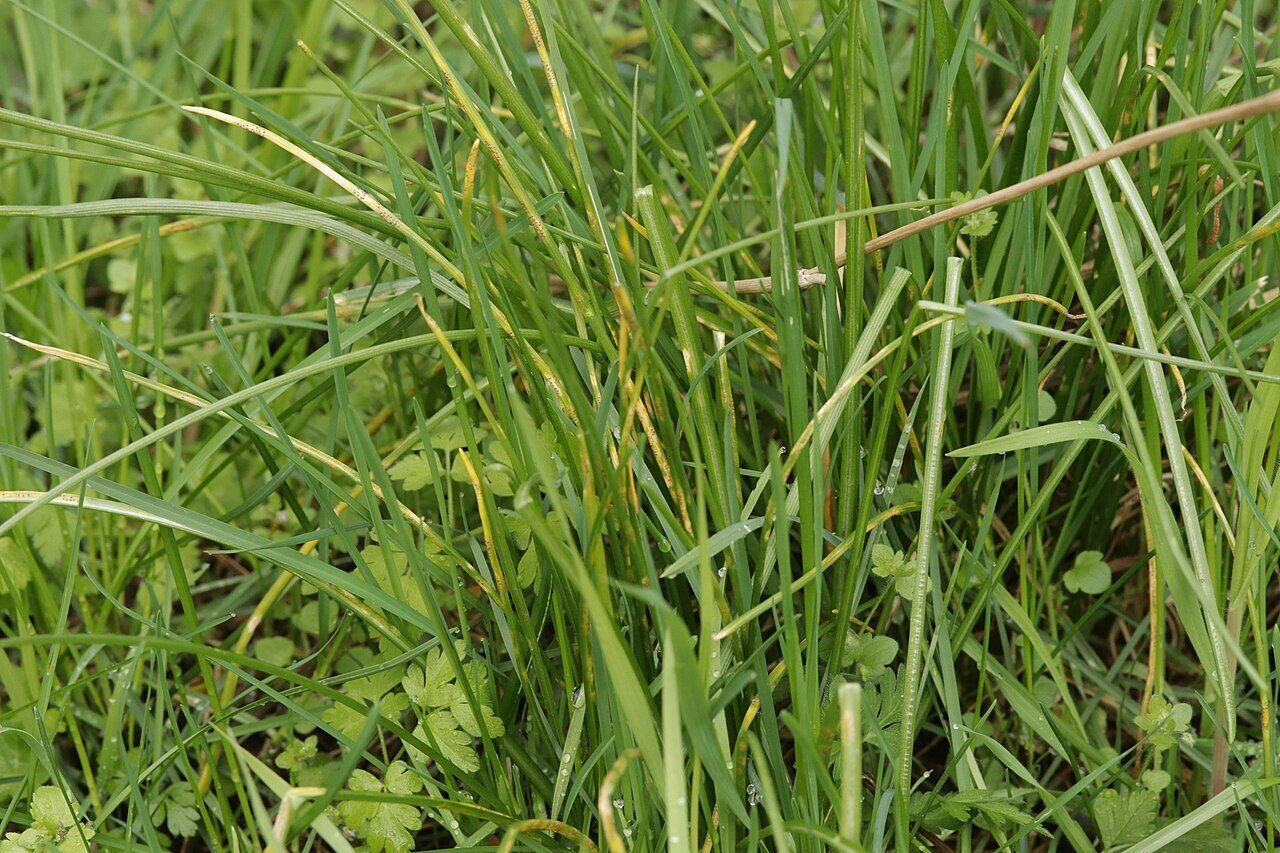
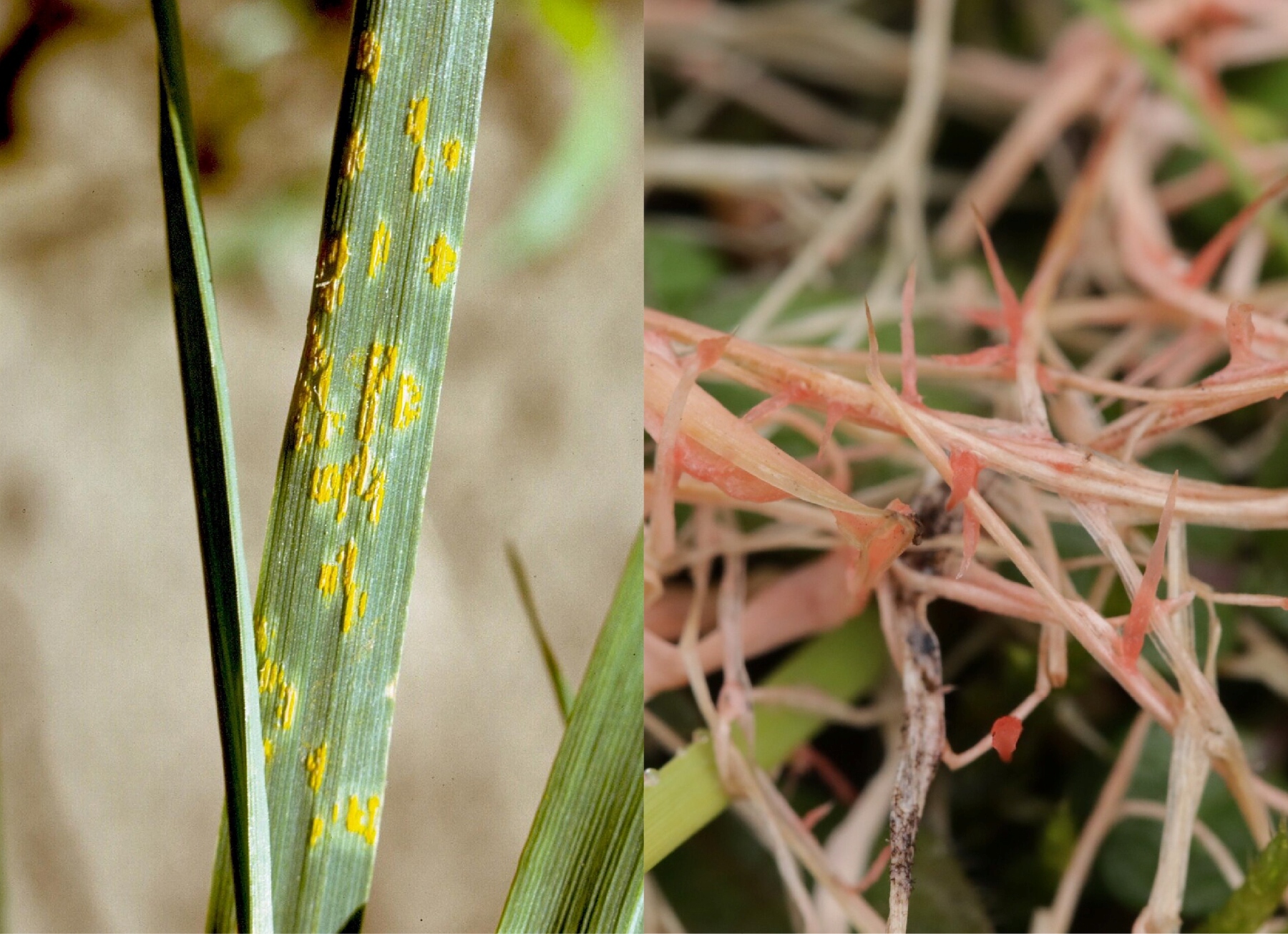
Color: Lawn Rust tends to show up as orange or sometimes brownish and has the appearance of rust. Red Thread shows up as thin red or pink string-like growths throughout the grass.
Location: Red Thread in the lawn usually shows up in irregular patches while Lawn Rust is commonly more widespread.
Favorable Conditions: Red Thread likes cool, humid conditions but Lawn Rust prefers warm, humid conditions.
Identifying Feature: It’s the orange and rust-colored powdery spores that separate Lawn Rust from Red Thread, which has more distinctive string-like growths.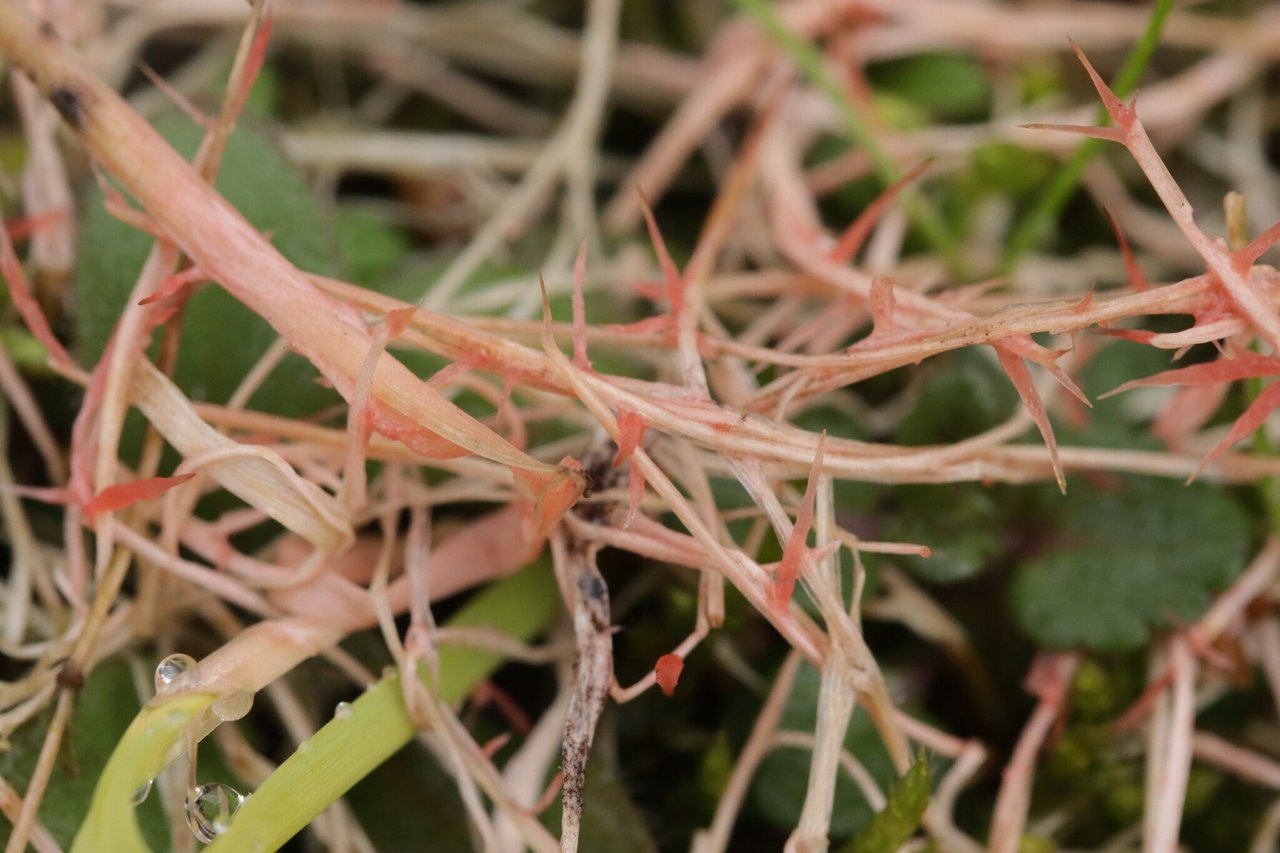
What is Lawn Rust?
Lawn Rust is a fungal disease named for its orange or brownish rust-colored spores. Before you notice grass turning orange, you might notice the grass blades turning pale green or yellow. Then, the powdery spores emerge. This orange powder can rub off on shoes, clothing, and mowers.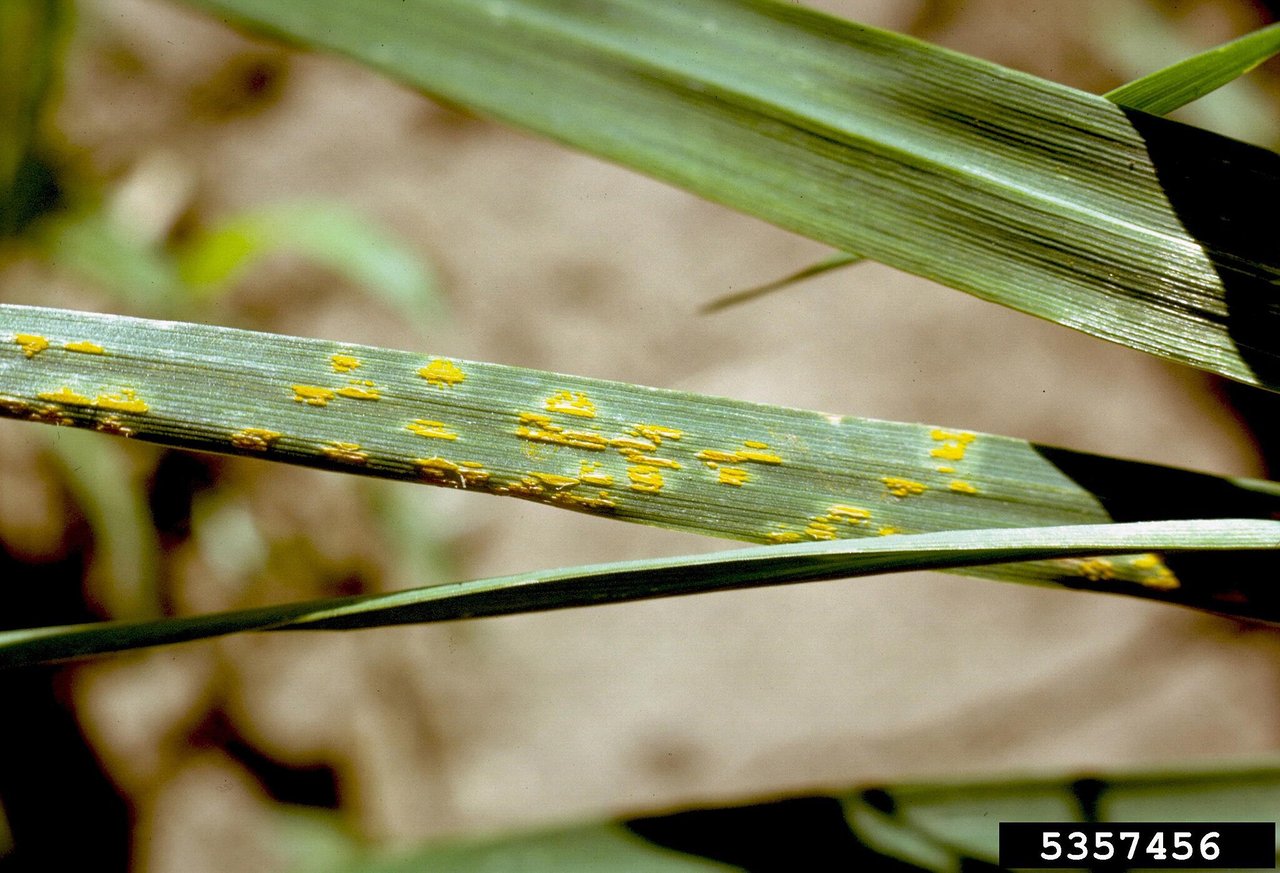
Lawn Rust can be a huge nuisance and have a negative impact on the appearance of your lawn. But it is generally not harmful…at least not seriously. It rarely kills established turf, but over time, it can weaken it.
Lawn rust tends to show up in late summer and early fall, with August, September, and October being the prime times.
What is Red Thread in a Lawn?
Red Thread is a common fungal disease in lawns. Its most identifying feature are the reddish-pink growths that stick out from infected grass blades. The threads are usually small, about 4-8 inches, and show up most often between March and June, and again from August to October.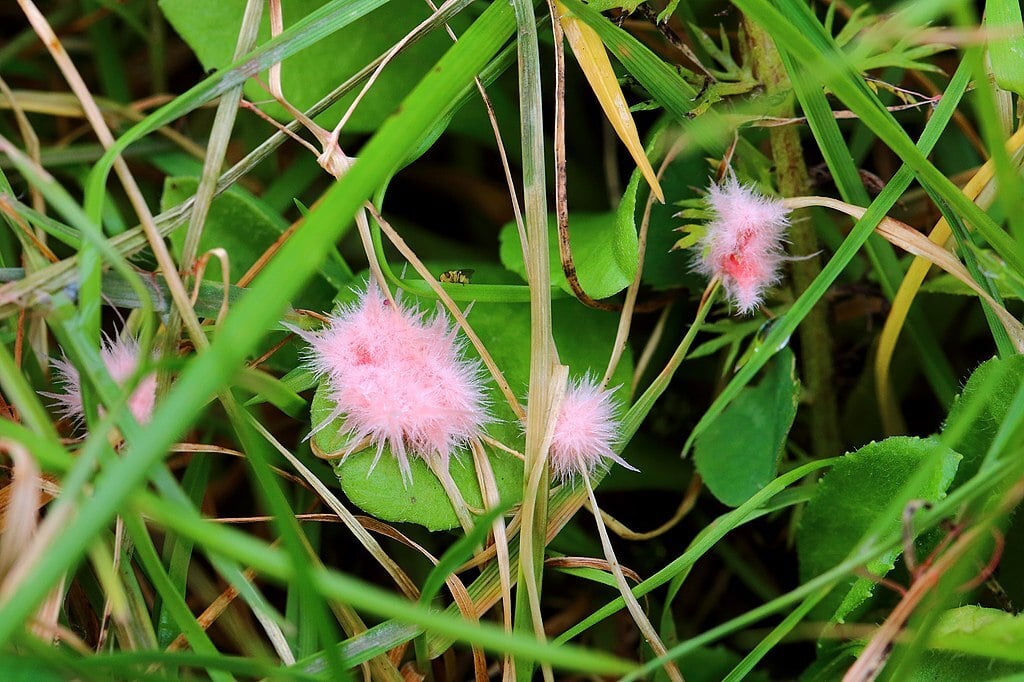
Red Thread thrives in cool, damp, and humid weather and loves lawns that have low nitrogen availability. Like other fungal diseases, it also spreads more easily in lawns with poor air circulation.
The good news is that, like Lawn Rust, it’s rare that Red Thread will kill an established lawn. But it can make it unsightly and patchy.
What Causes Lawn Rust and Red Thread Disease?
Both Lawn Rust and Red Thread are fungal diseases. But the favorable conditions are slightly different.
Lawn Rust is caused by rust fungi, primarily species in the Puccinia genus. Favorable conditions for Lawn Rust include:
- Warm days and dewy nights
- High humidity
- Extended periods of wetness
- Low nitrogen availability
- Poor air circulation
Red Thread is caused by the fungus Laetisaria fuciformis and thrives more during periods of cool and damp weather. Other favorable conditions include:
- Cool, wet, and humid weather
- Poor lawn drainage
- Compacted soil
- Low nitrogen availability
Both types of fungi prefer slow-growing or stressed turf. That’s because the turf will have a harder time outgrowing or defending itself against these diseases. Whereas healthy, active grass is constantly replacing older, infected grass, slow-growing or stressed turf isn’t able to do this. That can give these diseases more of an opportunity to grow and spread.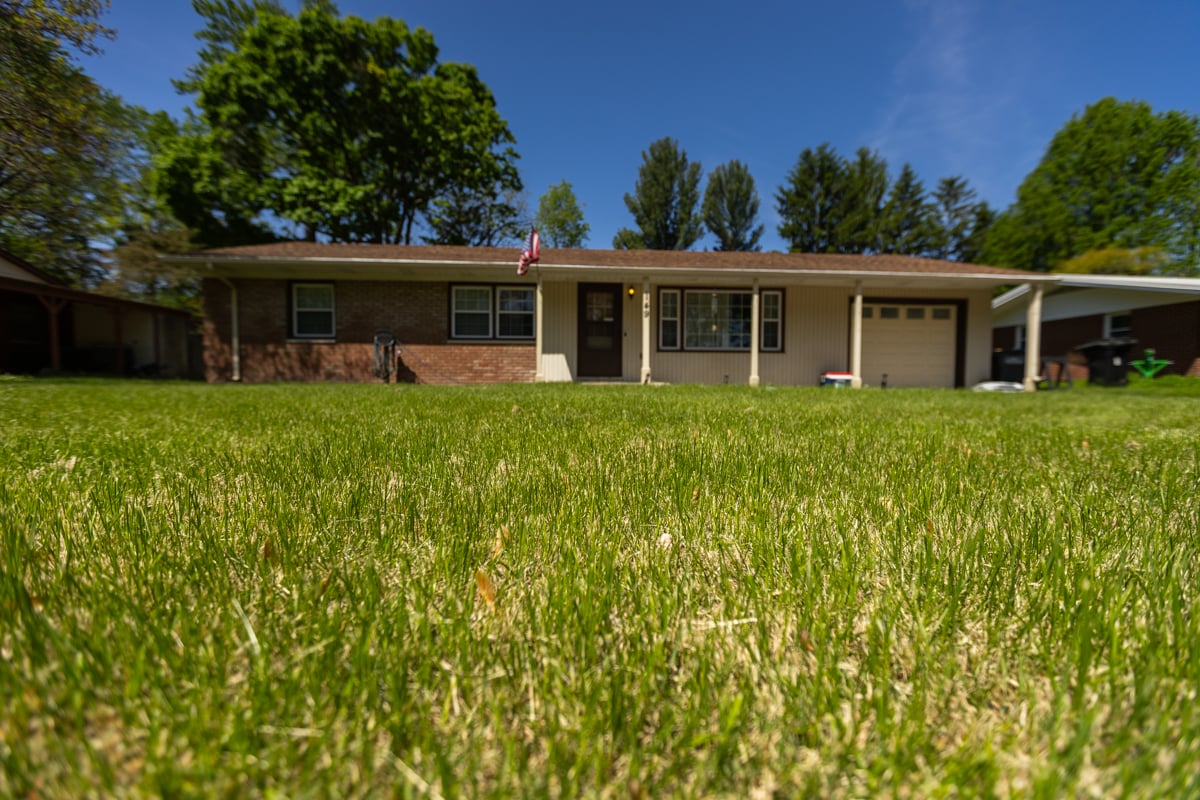
Stressed grass also has fewer resources for defense. When grass is limited in nitrogen content, for instance, it has less capacity to respond to disease.
Disease also tends to be more noticeable on already-stressed grass. If your lawn was already in rough shape, it’s more likely to be ravaged by a disease than a lawn that was thick, healthy, and thriving to start.
How to Treat These Lawn Diseases
Both Red Thread and Lawn Rust can often be turned around by correcting underlying conditions. We’ve seen mild cases that just resolve themselves over time. But there are always fungicides to consider for more extensive cases.
How to Treat Lawn Rust
Good cultural practices like mowing to the proper height (not too short), keeping the lawn properly watered, and applying nitrogen when appropriate can all play a role in promoting healthy turf that is resistant to the spread of Lawn Rust.
Improving air circulation with lawn aeration and correcting drainage issues can also play a role.
Lawn fungicides can be used for severe or persistent cases but they generally are not necessary for Lawn Rust.
How to Treat Red Thread
Red Thread lawn treatment also hinges on good cultural practices that restore healthy conditions. Red Thread thrives in nutrient-poor turf, so making sure your lawn is well-fertilized (especially with nitrogen) is the best long-term defense. If your lawn got hit this year, improving nutrition next season will help keep the disease from coming back.
Managing moisture is also important. You should water deeply in the mornings and avoid watering at night. It’s also always important to mow properly and avoid cutting the lawn too short, as this can stress the grass.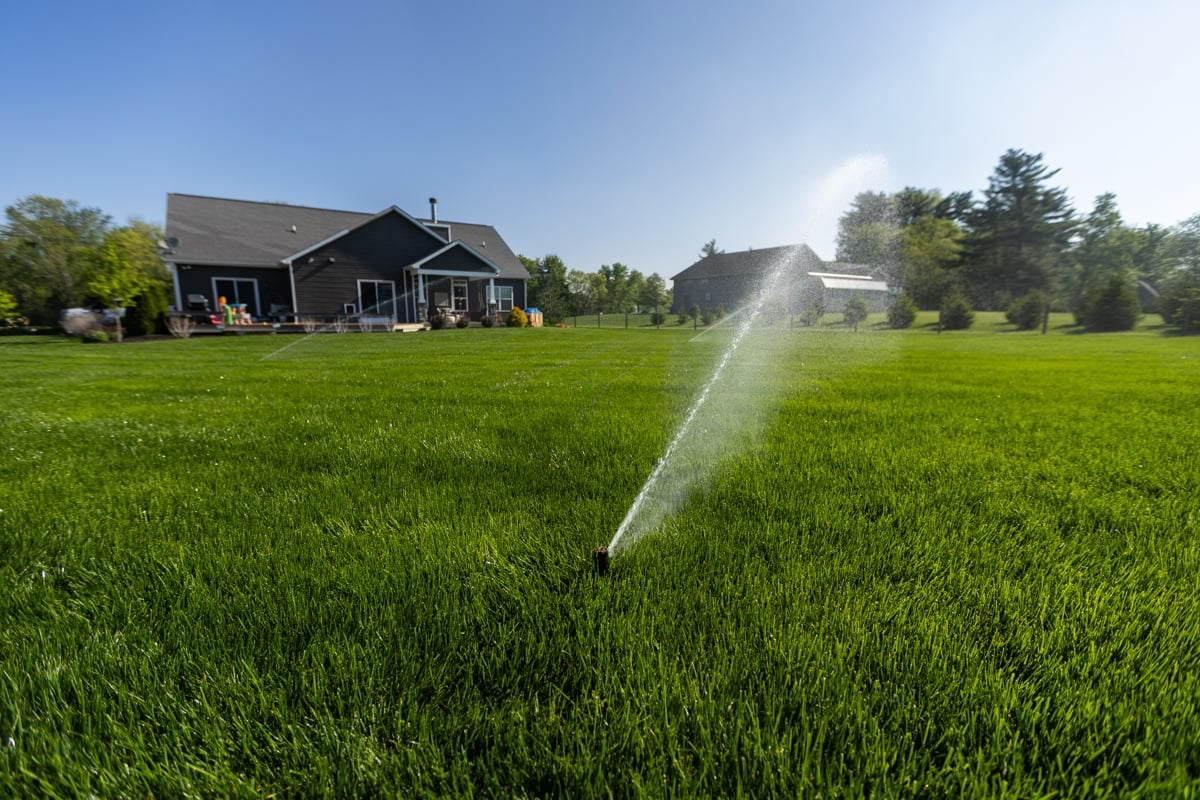
Fungicides are generally reserved for severe cases or prevention of recurring infections. It makes sense to talk to a lawn care professional about your options.
Getting the Right Diagnosis from a Lawn Care Pro
Lawns are complicated and figuring out what’s going on isn’t always easy.
While Lawn Rust and Red Thread do have fairly identifiable features (sometimes it’s hard to miss that orange or red appearance!), getting the opinion of a pro is always helpful.
After all, guessing wrong can cost you a lot of time, money, and frustration.
If you’re following a schedule and watering and mowing like you’re supposed to, but those patches are still spreading, it’s time to call in the experts. That’s where Shades of Green comes in! We know lawn disease care in Indiana inside and out, and we take the guesswork out of treating lawn diseases.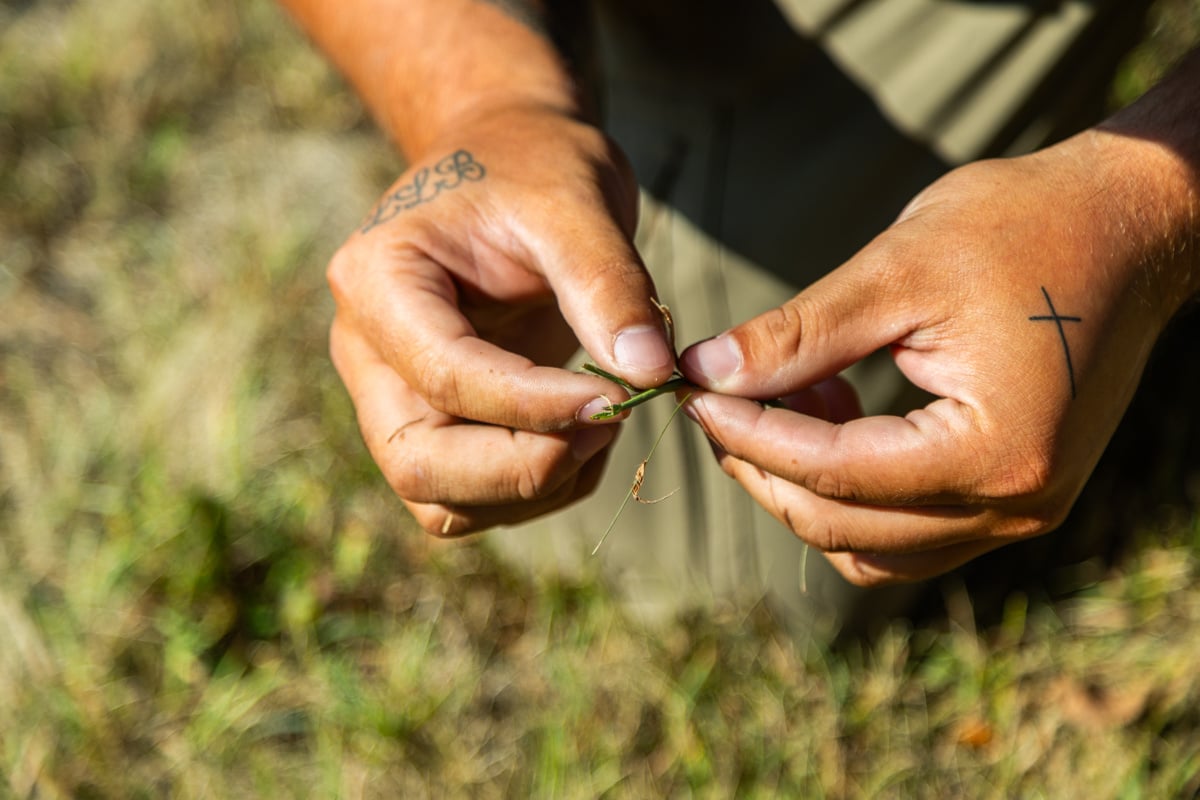
Whenever it comes to troubleshooting problems with the lawn, we always recommend calling in a pro. You shouldn’t have to figure all of this out on your own. We know that lawn fungus identification can be very challenging. But a pro will be able to steer you in the right direction.
FAQs on Red Thread and Lawn Rust
Can Lawn Rust spread from one yard to another?
Yes, Lawn Rust can definitely spread from one yard to another because the fungus produces tiny airborne spores. That means it can spread by wind. But it can also spread around by the powdery spores. If you walk through Lawn Rust, you probably notice that it winds up on your shoes. This can track it around your own lawn as well as other’s.
Will Lawn Rust or Red Thread come back every year?
Unfortunately both Lawn Rust and Red Thread can come back in future years, but it does not mean they will. While the fungi that causes them can survive between outbreaks, favorable conditions will need to trigger them. And if you continue to improve the health of your lawn after an outbreak, you can reduce the chance or at least set your lawn up to fare better.
Can you mow a lawn that has Rust or Red Thread disease?
Yes, you can continue mowing a lawn after it has been infected, as long as it is not under severe stress. It’s imperative to mow properly and avoid cutting the grass too short as this can make things worse. Because Lawn Rust can spread around, clean the mower deck and blades after mowing.
Are Lawn Rust and Red Thread harmful to dogs or people?
These lawn diseases are not considered harmful to people or pets but they can be a major nuisance. Lawn Rust, in particular, can get tracked around. If you notice orange, powdery footprints in your home, this could be the fungal spores.
How long does it take grass to recover from Lawn Rust or Red Thread?
Both conditions can improve quickly once conditions have changed. Mild cases might recover in one to two weeks. But more severe infections can take longer. Talk to a lawn care pro about what to expect based on your specific case.
Partnering with Shades of Green for Your Healthy Lawn
Ready for some help? One of the key benefits of choosing professional lawn care in Lafayette and nearby areas is that you’ll have an expert on your property helping you make decisions. At Shades of Green, we also provide services in Carmel, Noblesville, Westfield, and Zionsville.
If you’re noticing discoloration or other problems in the lawn, an expert diagnosis will be critical when it comes to a solution. But because many problems can mimic one another, you’ll want to have an expert eye figuring it out.
There are many cases where you can make a problem worse by misdiagnosing and mistreating it. For instance, if you were to water a lawn that is experiencing lawn fungus, you can spread the fungus and make it a lot worse.
Figuring it all out can feel a bit overwhelming. But that’s exactly what we’re here for!
At Shades of Green, you can count on us to provide helpful advice and recommendations while also supporting your lawn with the treatments it needs. That means more time enjoying your lawn and less time stressing about it.
Ready to get your lawn on track this season? Get started by filling out our contact form for your quote.
Image Sources: lawn rust in grass, red thread on grass, lawn rust on grass blade, red thread spores
Envision a Brighter Future for Your Lawn

About Cory Overman

Cory is the heart and soul of Shades of Green. His dedication to doing right for our customers has been the driving force behind the company's success. With a degree in Turf Science from Purdue University, Cory continually strives to craft the best treatment plans using the latest technologies and innovative products, ensuring top-notch results for every client.