5 Common Lawn Weeds in Indiana: How to Identify and Prevent

~5 mins
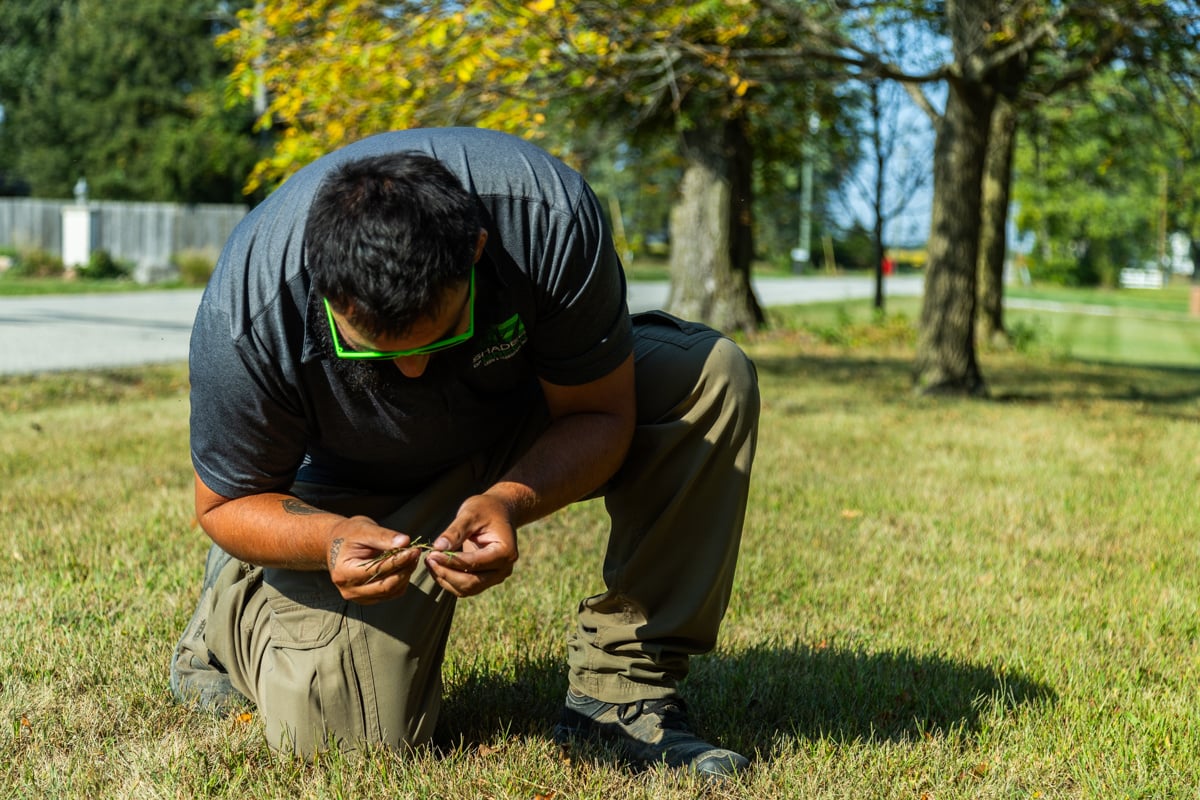
If you have ever stumbled across what looks like a weed in your lawn and thought, “Okay, what even is that thing?” you are not alone. Identifying weeds here in Indiana can be surprisingly tricky. Between different grass types, seasonal color changes, and dozens of lookalike weeds, what starts as a simple ‘off’ looking spot in the yard can turn into a problem very quickly.
Bentgrass is one of those problem grasses that falls into the “confusing” category. It blends just enough to go unnoticed at first, then slowly becomes more obvious as it spreads and looks different from the rest of your lawn.
Jump To:
What is Bentgrass?
What Does Bentgrass Look Like?
How to Get Rid of Bentgrass
Bentgrass FAQs
Working with Shades of Green to Prevent Bentgrass
Bentgrass is a perennial grass species, meaning it comes back year after year. It tends to show up in both mown and unmown areas, and it spreads and forms noticeable patches over time.
Most of what homeowners see is commonly referred to as creeping bentgrass, a type that has a low-growing spreading habit and can slowly work its way through turf. It likes cool, moist soil conditions, which makes Indiana lawns a comfortable environment for it at certain times of the year.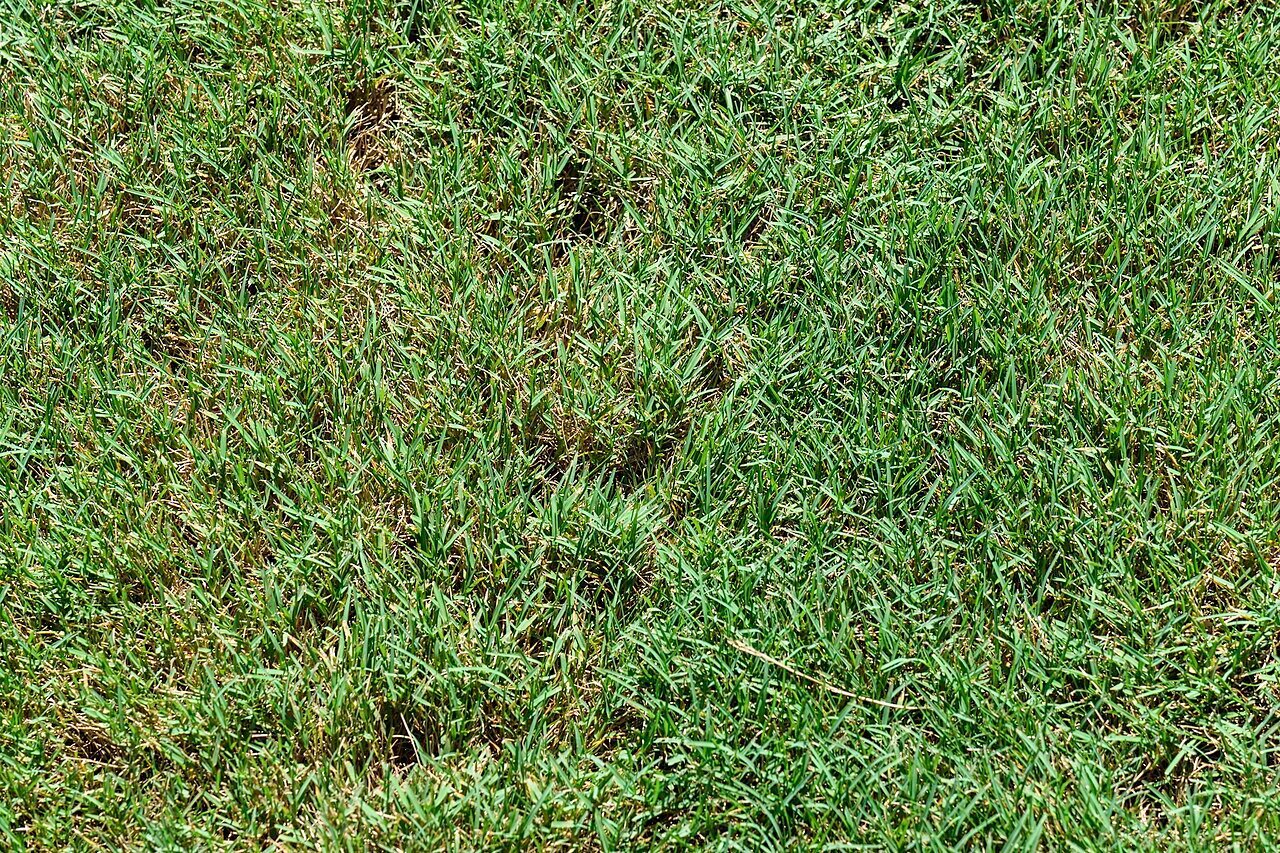
One of the trickiest things about bentgrass is how it reacts to mowing. Because it grows differently from normal lawn grasses, it is prone to summer stress and scalping from your mower. This makes it very noticeable in your lawn.
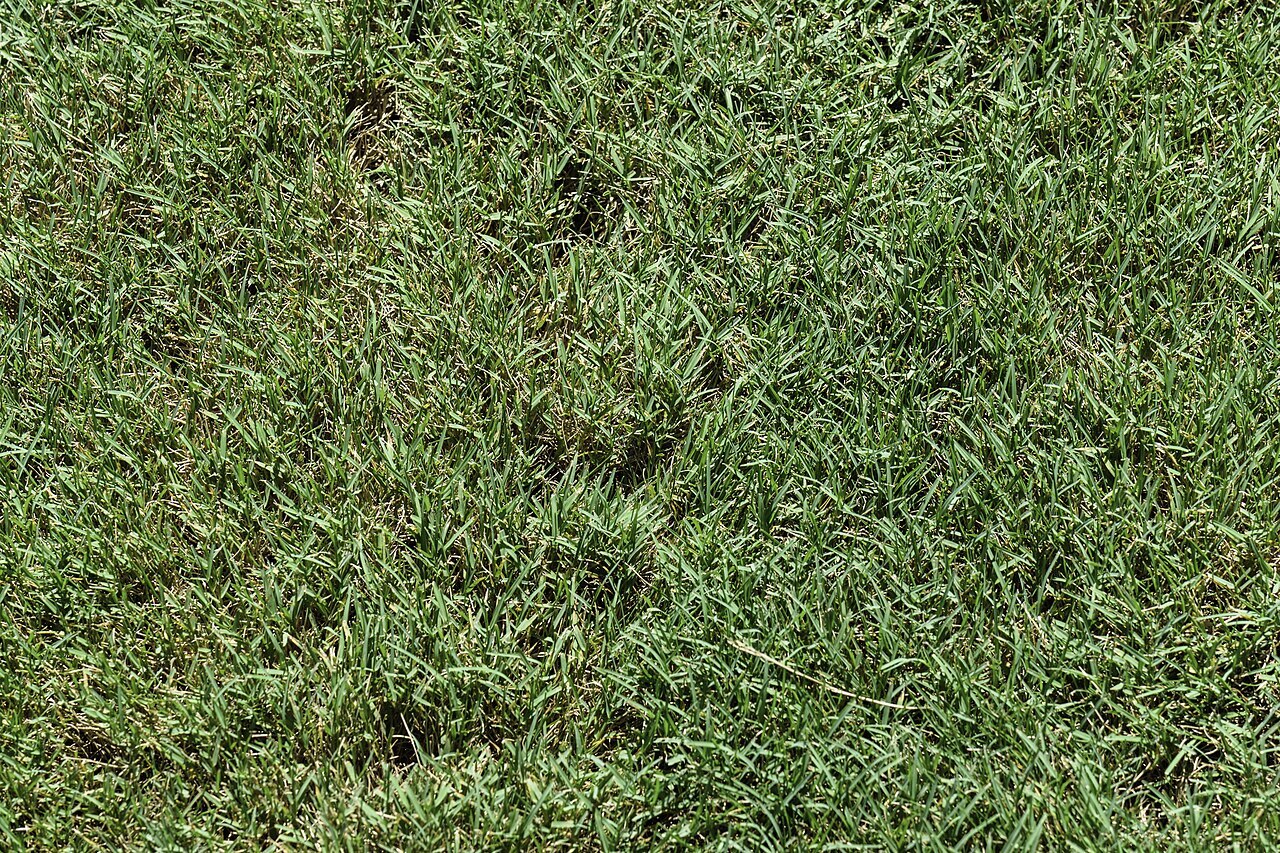
You will likely notice bentgrass rather quickly, as it doesn’t quite blend in right with the rest of most Indiana lawns. In cooler weather, it tends to look soft, dense, and almost carpet like with a fine texture. It often grows in tight patches, which is really what helps it to stand out in a regular lawn.
As the season warms up, bentgrass stands out even more because of its lighter, slightly yellowish tone compared to healthy cool-season grass types. It lies lower to the ground than the healthy surrounding grass, which can make your lawn appear uneven.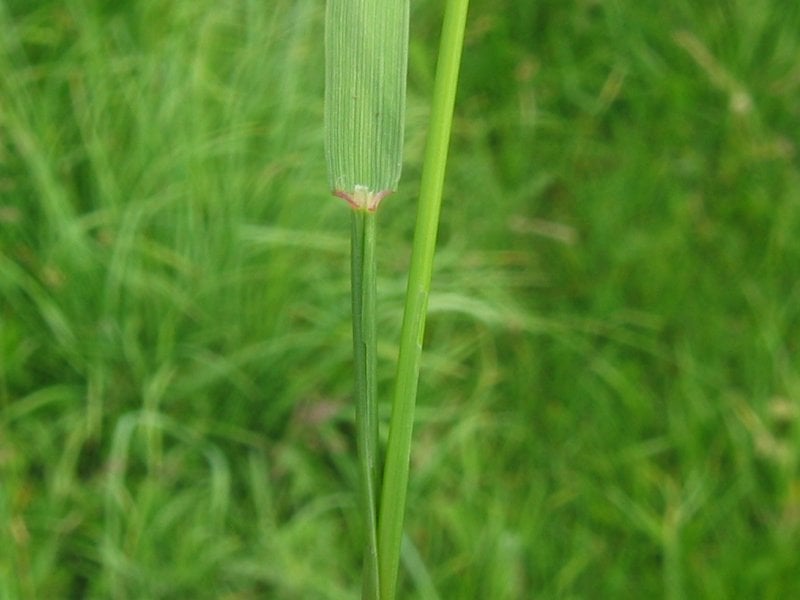
Another way to identify bentgrass is its growth habit. Instead of growing upright in a uniform way like most grasses, bentgrass creeps and appears interconnected, like it is weaving itself through your lawn.
Bentgrass is not something we deal with a whole lot in Indiana, but when it does show up, it can be a real headache. In thicker patches, it can start to look rough and uneven, especially as it matures and begins to compete with surrounding turf. It is also naturally more disease-prone and high-maintenance than cool-season grasses.
In many cases, we can selectively control bentgrass with a post-emergent herbicide. However, it is usually not a quick one-time fix and falls outside of most standard lawn care programs. The best results usually come when the plant is young, actively growing, and not under drought stress, since that is when it is most likely to absorb the herbicide.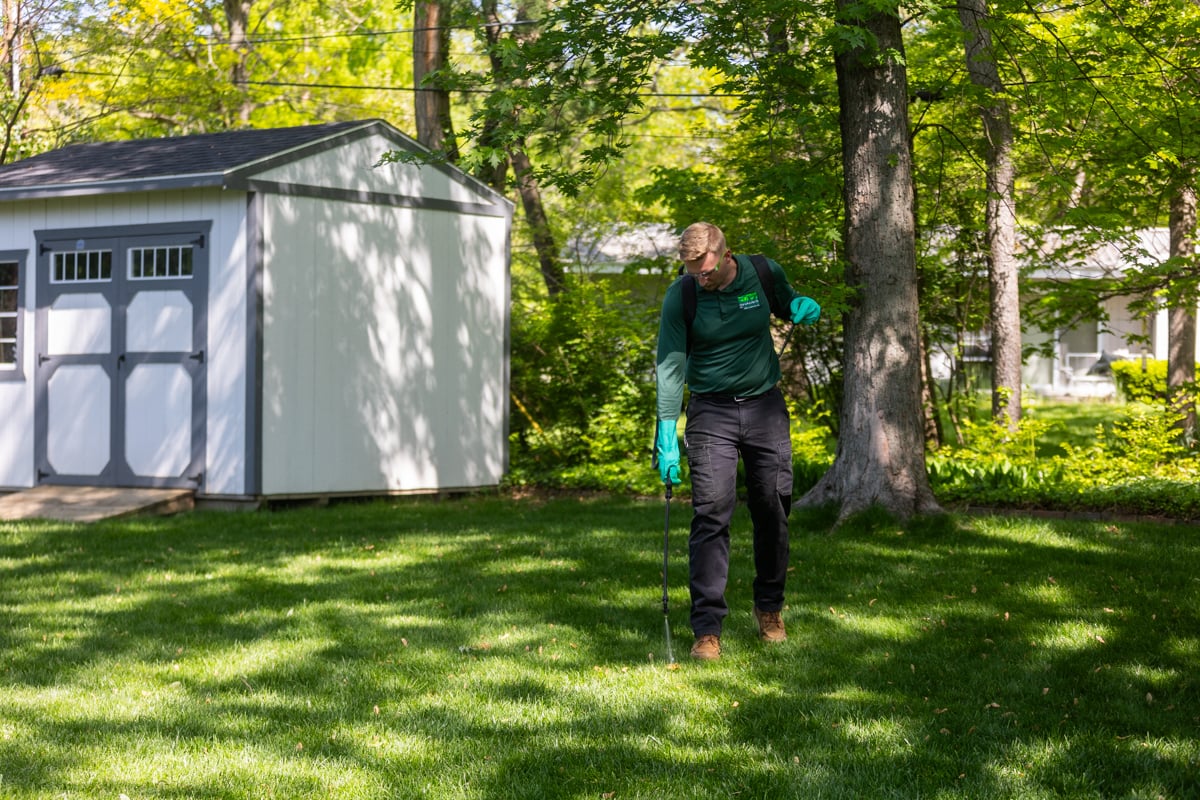
Most control programs require multiple applications. Typically, at least two treatments are needed, and in some cases, three or even more may be required to fully eliminate it from your lawn. Between applications, bentgrass needs time to regrow so the next treatment can be effective. While this sounds odd, that recovery period is really important.
Other than treating with herbicides, there are a few things you can do that will help manage bentgrass over time. It tends to be easier to control when the lawn is kept at a lower mowing height, and light raking of creeping bentgrass can help remove dead or thinning leaf tissue and reduce its density.
Bentgrass is a perennial grass that spreads over time and forms dense patches that look different from your surrounding turf.
Bentgrass has a fine texture and grows in low, dense patches or mats.
Technically, bentgrass is a grass species, not a traditional weed. However, in our Indiana home lawns, it is treated like a weed because it grows aggressively and does not blend well with normal home turf mixes.
To manage bentgrass, use selective herbicide applications and adjust mowing heights. Remember you will need multiple treatments for the best results.
Yes! Bentgrass will continue to spread until it is fully eliminated.
Identifying what is actually growing in your lawn can be half the battle. Bentgrass is a great example of how confusing things can get because of how it blends in at first, spreads unnoticed, and then often gets confused with other turf issues.
The guesswork, time, and money spent trying to figure out what is growing in your lawn and what it actually needs can be stressful. And unfortunately, many weeds and unwanted grasses require very specific treatments at the right time, not just a general weed killer from the hardware store.
Getting it right the first time saves you money and stops you from dealing with the same problem over and over again, and that is exactly what targeted, professional lawn care is designed to do.
Tired of guessing what is in your lawn and how to treat it? Get started with filling out our contact form today!
Image Sources: creeping bentgrass, bentgrass blade
Envision a Brighter Future for Your Lawn


Cory is the heart and soul of Shades of Green. His dedication to doing right for our customers has been the driving force behind the company's success. With a degree in Turf Science from Purdue University, Cory continually strives to craft the best treatment plans using the latest technologies and innovative products, ensuring top-notch results for every client.