Say Goodbye to Weeds: When to Apply Weed Control in Indiana

~5 mins
We find that homeowners are commonly confused about why the timing of their lawn care plan can change from year to year. The short explanation is that grass growth and health is dictated by factors like soil temperature and weather patterns, not by a fixed date. Every year there can be fluctuations that can change up lawn care timing.
In this article, we’ll dive into everything you need to know about lawn care timing and why a lawn care provider who follows local climate cues will produce better results for your grass.
Jump To:
Why Lawn Care Timing In Indiana Isn’t The Same Every Year
Factors Affecting Lawn Fertilizer Application Timing
Factors Affecting Weed Control Application Timing
How Professional, Local Lawn Care Delivers Better Long-Term Results
FAQs About Lawn Care Timing
What To Expect When Partnering With Shades Of Green
Lawn care timing is going to change year over year because it is weather and growing conditions that dictate what needs to be done…NOT the calendar.
That being said, we do understand that it can be confusing. We have had homeowners ask us why we started their lawn applications earlier than the previous year. 2025 is a great example as it was a very tough year for lawn care. Our round two of lawn applications got pushed back pretty late since we had such a late start in the spring.
Just like you, we’d rather get started sooner…but we’re always going to focus on doing what’s right AND what’s best for your lawn.
One of the biggest factors that dictates the start of lawn care is the temperature. Grass growth is primarily dictated by soil and air temperatures. That means an early, warm spring can cause grass to start growing and greening up early. Likewise, a cold spring can push everything back.
Factors Affecting Lawn Fertilizer Application TimingThere are a number of factors that can impact fertilization application timing. The objective should be to match your timing with periods that fertilizer is best used.
If you want to read more in-depth about the best times to fertilize, we’ve written an entire article on it.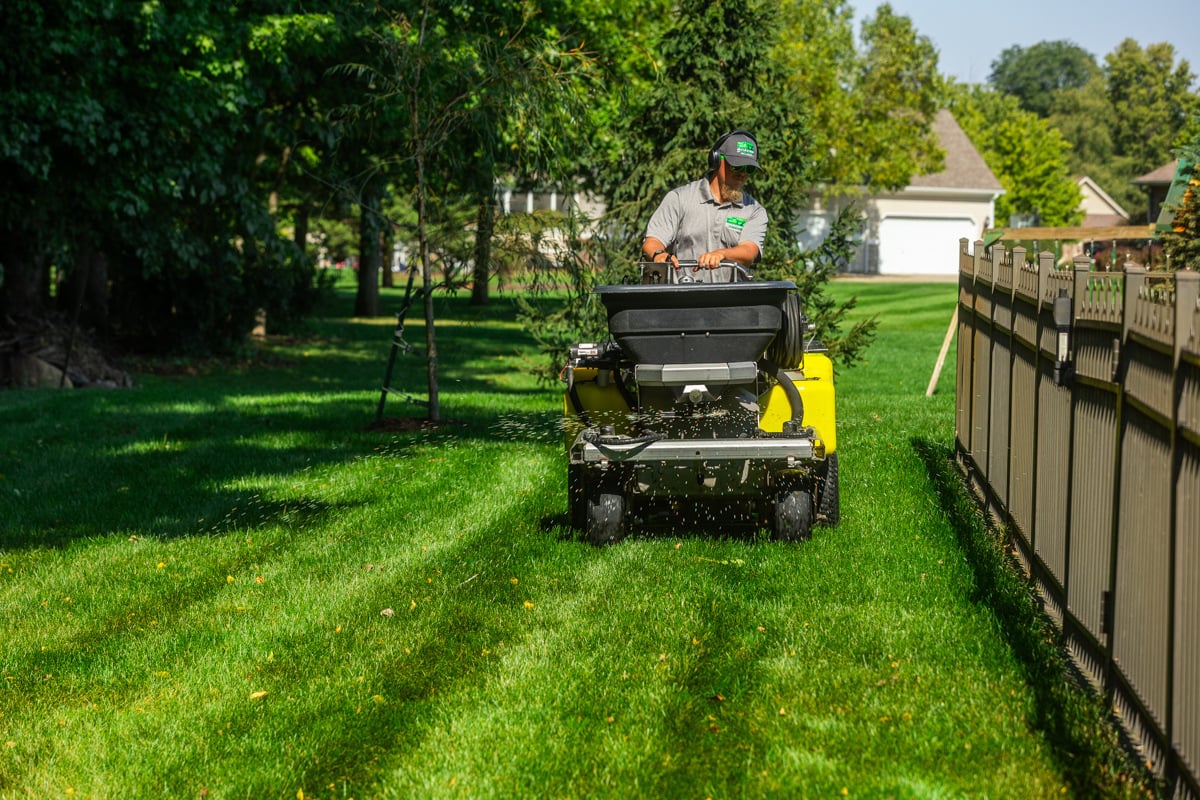
Here’s a quick summary:
Application #1 (Early March - Early April): We start by giving your lawn the nutrients it needs to wake up and start growing strong roots after winter’s nap.
Application #2 (Early April - Mid May): This application continues feeding your lawn while keeping weeds in check – because nobody invited them to the party.
Application #3 (May - June): A granular fertilizer application that includes spot weed treatments ensures your lawn stays on track for the summer.
Application #4 (July): Our fourth round of fertilization hits the ground in early July. This application focuses on keeping weeds in check with precise spot treatments that target breakthrough troublemakers while keeping your grass healthy and happy.
Application #5 (September): This quick-release fifth application is like a recovery smoothie after a tough workout. It gives your lawn an immediate boost to help it bounce back from the workout of summer.
Application #6 (October - November): The sixth application tackles weed control. This quick-release fertilizer keeps your grass growing strong and tricks weeds into taking in the weed control material we put down.
Application #7 (November - Early December): This final and seventh application is a heavy hitter. This application is all about setting up your lawn for dormancy and giving it the nutrients to thrive when spring rolls back around.
As you can see from this schedule, our lawn applications are heavily focused on the fall season, which is truly the most critical time that your lawn needs fertilization.
Even though this is agronomically correct, we’ve noticed that it’s not something that all lawn care companies do. They seem to focus a lot of their lawn applications earlier in the year (spring/summer), largely because of the perception of the lawn receiving treatments at a time when people are outside a lot and paying attention to this.
But that doesn’t mean it’s what the lawn truly needs. The fall applications are what set your lawn up for success all year long. It’s important to note that 65%-75% of your lawn’s fertilization should happen between September and early December for most Indiana lawns.
Successful weed control also hinges on proper timing. Soil temperature is a huge factor for weed control. Many weeds germinate when the soil reaches a specific temperature.
For instance, crabgrass germinates when soil temperatures consistently reach 55 degrees. For that reason, the goal is to apply crabgrass pre-emergent products (preventers) PRIOR to soil temperatures rising to 55 degrees.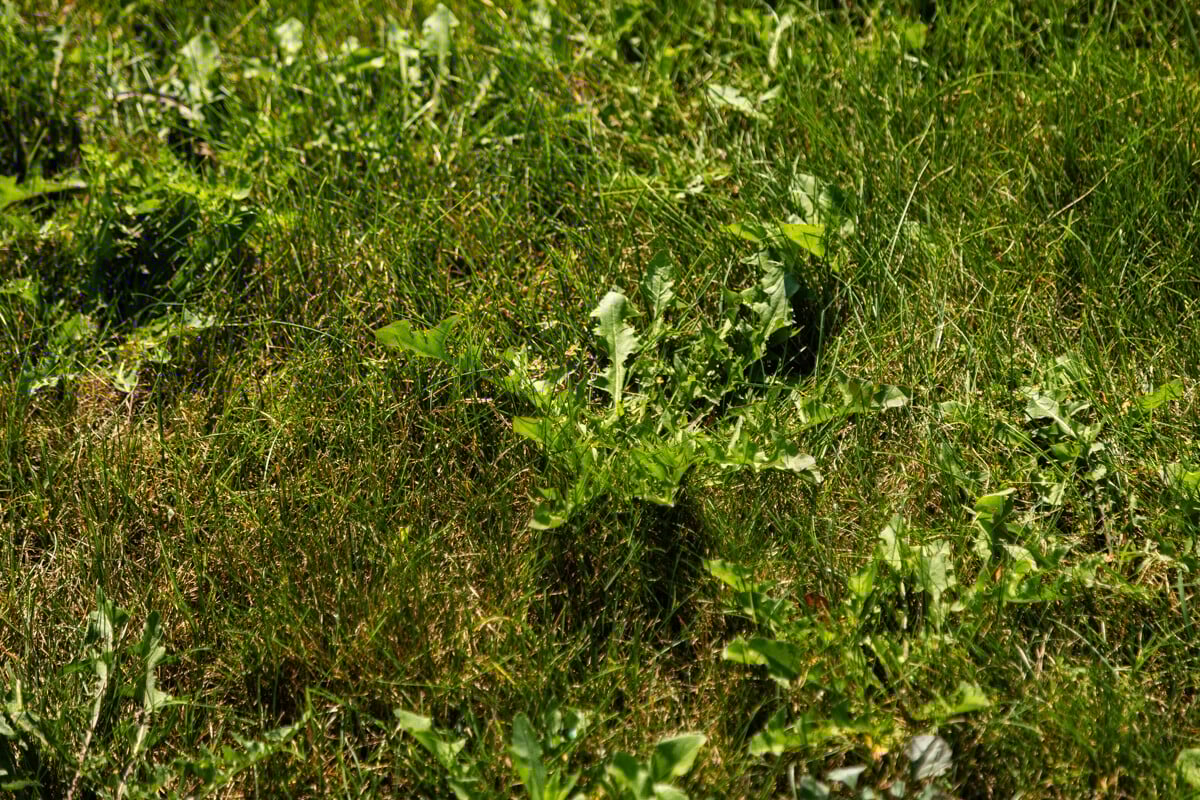
Because soil temperatures will vary from year to year, the timing of your lawn applications can (and should!) change.
Weather conditions can also impact the growth of weeds as well as weed control product performance. Warm weather tends to accelerate weed growth. But drought can slow growth, which can also make weed control products less effective since they work when weeds are actively growing.
Keep in mind that heavy rainfall can wash away certain products or reduce effectiveness - just another reason a treatment may be delayed if we're expecting intense rains.
One of the key benefits of investing in a professional Indiana lawn maintenance program is that you won’t have to figure out all the specifics on your own. You’ll have a lawn care expert handling all of the details, including the optimal timing of lawn applications. That means getting the best possible results from your treatments.
The key is to choose a lawn care service that has your best interest at heart. Even though lawn care companies SHOULD be paying attention to timing, it doesn’t mean they always do.
In fact, we’re sometimes shocked to hear homeowners tell us that their current lawn care service is giving them treatment dates far in advance, even though there is no data out there accurate enough to make these decisions. Lawn care companies should be paying attention to factors like weather and soil temperatures before making determinations about when they’ll treat your lawn.
You’ll get this from a company that truly cares about building your best lawn!
Soil temperature has a direct impact on root growth, nutrient uptake, and weed development, so it has a huge impact on lawn care plans and the health of your grass.
Grass and weed growth does not become active until soil temperatures warm up. That’s a key reason why applications might need to start early or later than previous years.
It depends on what’s being done. Rain can actually help with some fertilization applications as it helps to move the nutrients down into the soil. However, too much rain can just wash it out.
Rain can potentially have a negative impact on weed control applications, particularly post-emergent sprays, as it can wash them away before they have a chance to work.
There could be a couple of different reasons why your neighbor’s lawn care company might be on a different schedule than yours. For one, every lawn care program is specific and unique, so they might be doing different applications.
But another reason might simply be that they don’t care if they’re starting too early. They might not be paying attention to the weather or to soil temperatures, like they should be. Perhaps they’re booking jobs rain or shine. That’s not really the right thing to do, but some lawn care companies still do it.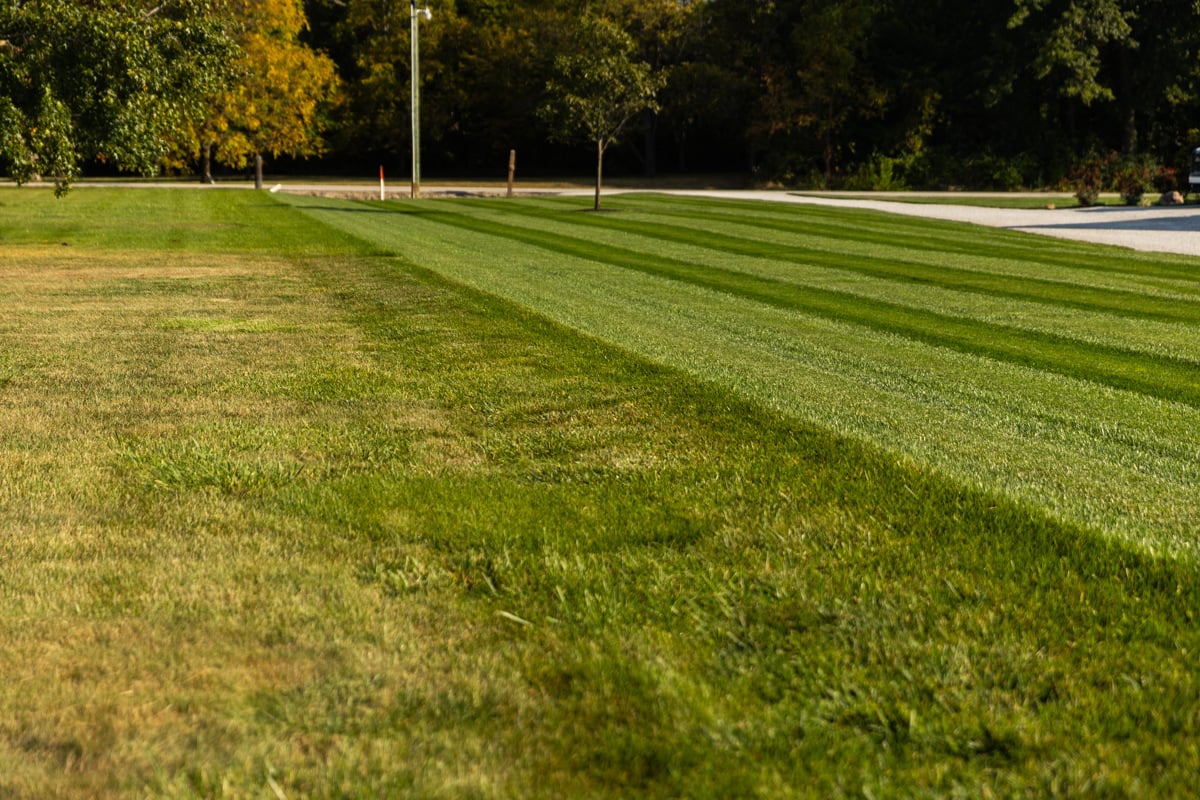
At Shades of Green, if your lawn is treated within the window of rain, we’ll flag your lawn to come back and check (for free) that our lawn applications were effective. And if they weren’t, we'd re-treat (for free). Sometimes the rain can help an application. But if it’s too much, it can work against us.
Rain showers can be unexpected and quick so it doesn’t always make sense for us to stop what we’re doing if we’re already out treating lawns. But we’re going to make sure that we always do things right for you and your lawn.
The start and the end of a lawn care season should be dictated by soil temperatures and the weather. But our season typically begins some time in March (or early April) and ends in November.
If you choose to partner with Shades of Green, you can expect that you’re going to get the lawn applications that your lawn needs, when it needs them. We’re making our decisions based on science (and on what’s right for your lawn) not just a calendar date.
But here’s the thing…getting it right can be tricky. Timing, weather, and product choice all matter. That’s why professional care makes a world of difference.
At Shades of Green, we customize every fertilizer and weed control application to fit your lawn’s needs and Indiana’s ever-changing conditions. No guesswork, no stress – just expert care and a lawn you can be proud of.
Ready to see your lawn thrive like never before? Get started today by filling out our contact form. We provide lawn care services in Lafayette, IN, as well as areas north of Indianapolis like Carmel, Noblesville, and Westfield.
Envision a Brighter Future for Your Lawn


Cory is the heart and soul of Shades of Green. His dedication to doing right for our customers has been the driving force behind the company's success. With a degree in Turf Science from Purdue University, Cory continually strives to craft the best treatment plans using the latest technologies and innovative products, ensuring top-notch results for every client.