
There is something uniquely unsettling about knowing a pest smaller than a sesame seed can cause some of the biggest headaches here in Indiana.
Ticks don’t make noise, they don’t announce themselves, and half the time, you don’t even feel them. However, the worry they create is very real. It is understandable why so many want to know exactly what is living in their backyard and which species they need to watch out for as the weather warms up.
Only a few types of ticks are common here in Indiana, but each comes with its own look, habits, and potential risks. Let’s break down the three main species you are most likely to run into - Deer Ticks, Lone Star Ticks, and American Dog Ticks - and what makes each of them a concern for families and pets.
Here’s what we will cover:
The Seasonal Activity of Grass Ticks in Indiana
Different Kind of Ticks
Disease and Risks Associated with Ticks
How You Can Reduce Tick Populations with Shades of Green
Winter might feel like a break from worrying about ticks in Indiana, and for the most part, it is. Once temperatures drop below 40°F, most Indiana ticks enter a dormant or low-activity state, tucked beneath leaf litter, mulch, or the top layer of soil, where they can ride out the cold.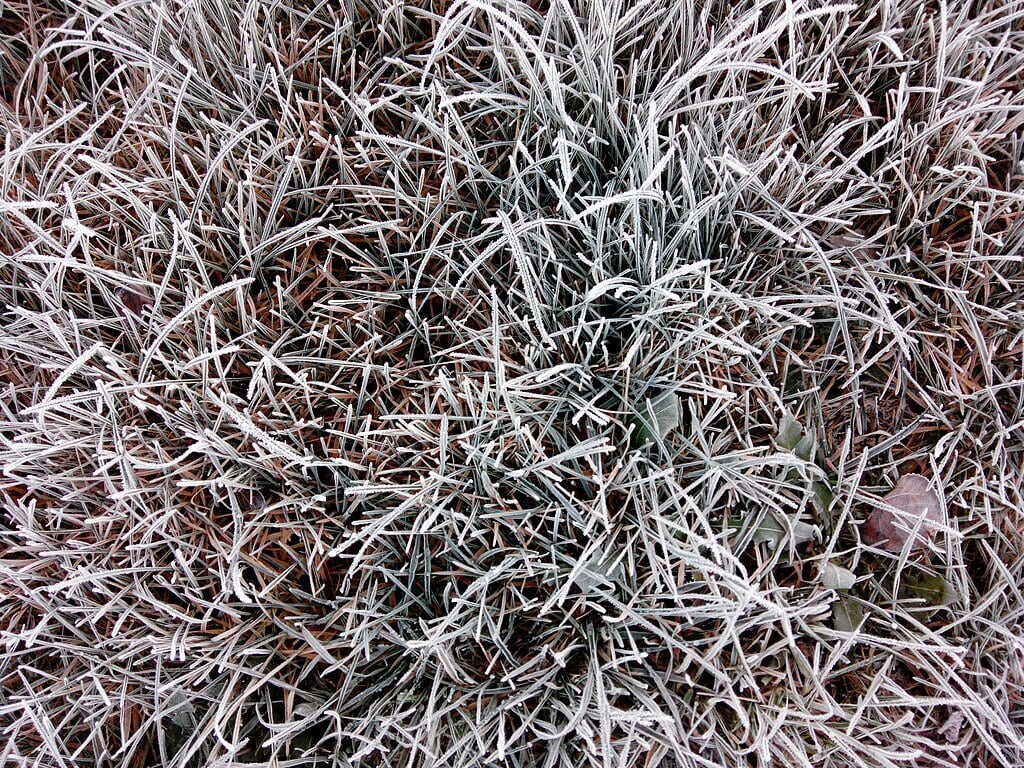
During the occasional warm spell, a few ticks may stir, but widespread biting is extremely unlikely this time of year. For now, ticks are basically hitting the snooze button. That pause won’t last for long, though. As soon as we move into early spring and temperatures stay consistently above that 40°F mark, ticks wake right back up. By late spring and throughout summer, their activity spikes, with June and July being the height of bite season.
Not all ticks are the same, and even if you have tried to identify one in real time, you know that small ticks can look surprisingly similar. But each type of tick has its own size, markings, habitat, and preferred victims. In Indiana lawns, three species show up the most: Deer Ticks, Lone Star Ticks, and American Dog Ticks.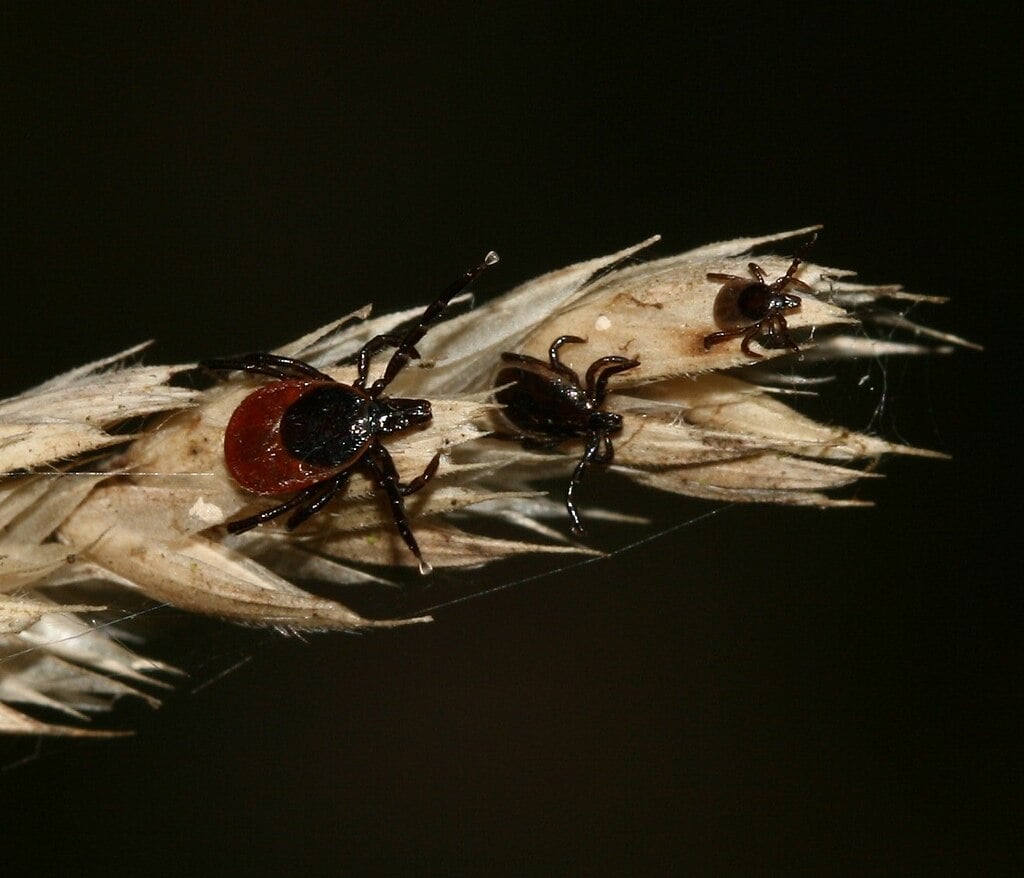
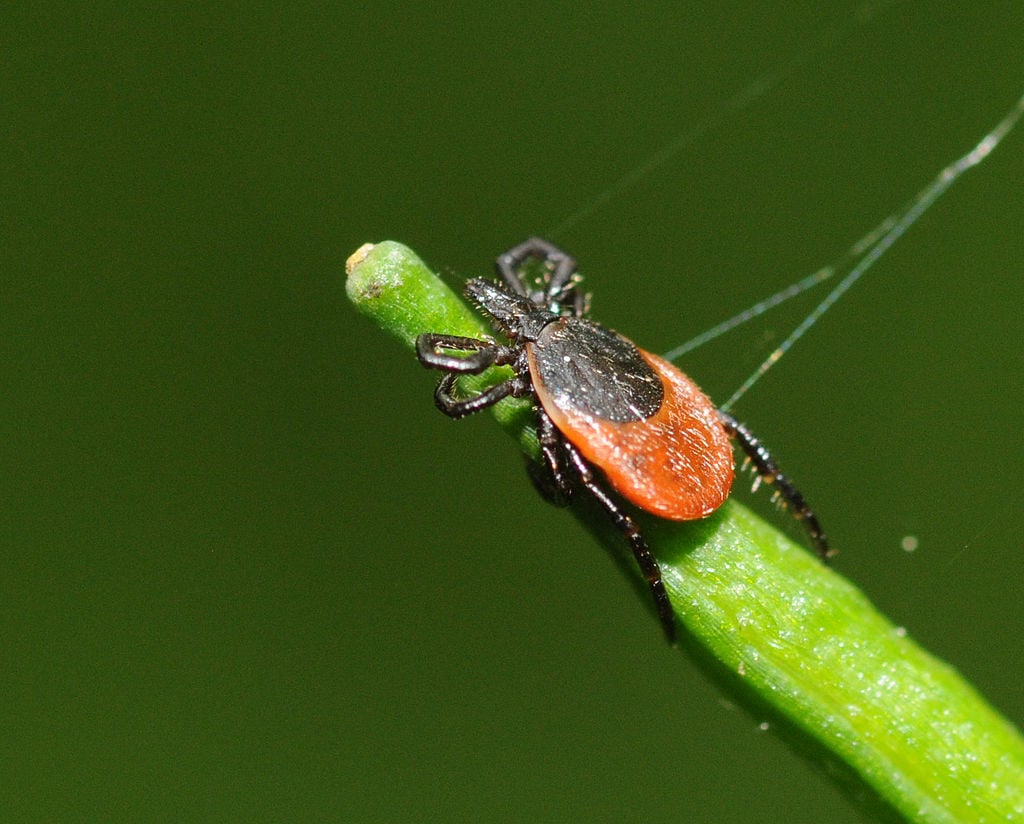
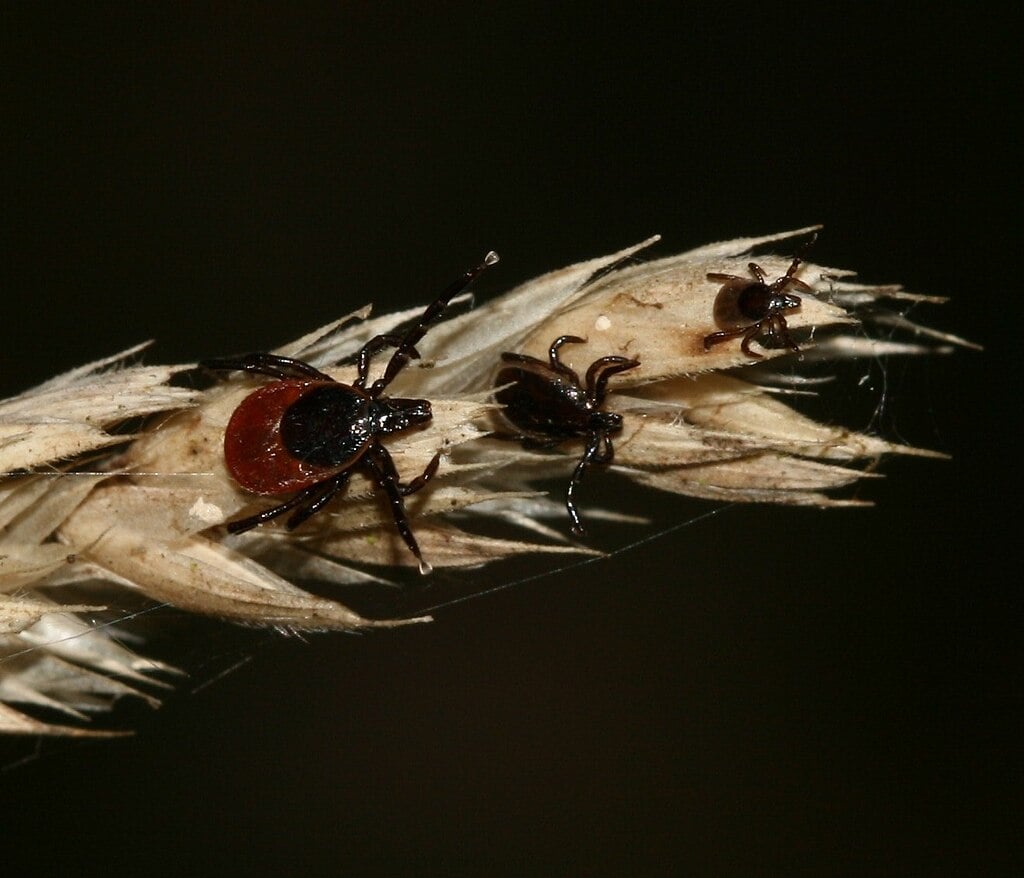
Also called Blacklegged Ticks, they are one of the smallest ticks you will encounter. Adult females are about the size of a sesame seed. You can tell them apart from other ticks by their dark reddish-brown body with black legs and the appearance of a darker ‘shield’ behind their head. Deer ticks are the species that is most commonly linked to Lyme disease. They thrive in shaded, humid areas and are most active in early spring. Their tiny nymphs are especially sneaky and responsible for many bites because they are so hard to spot.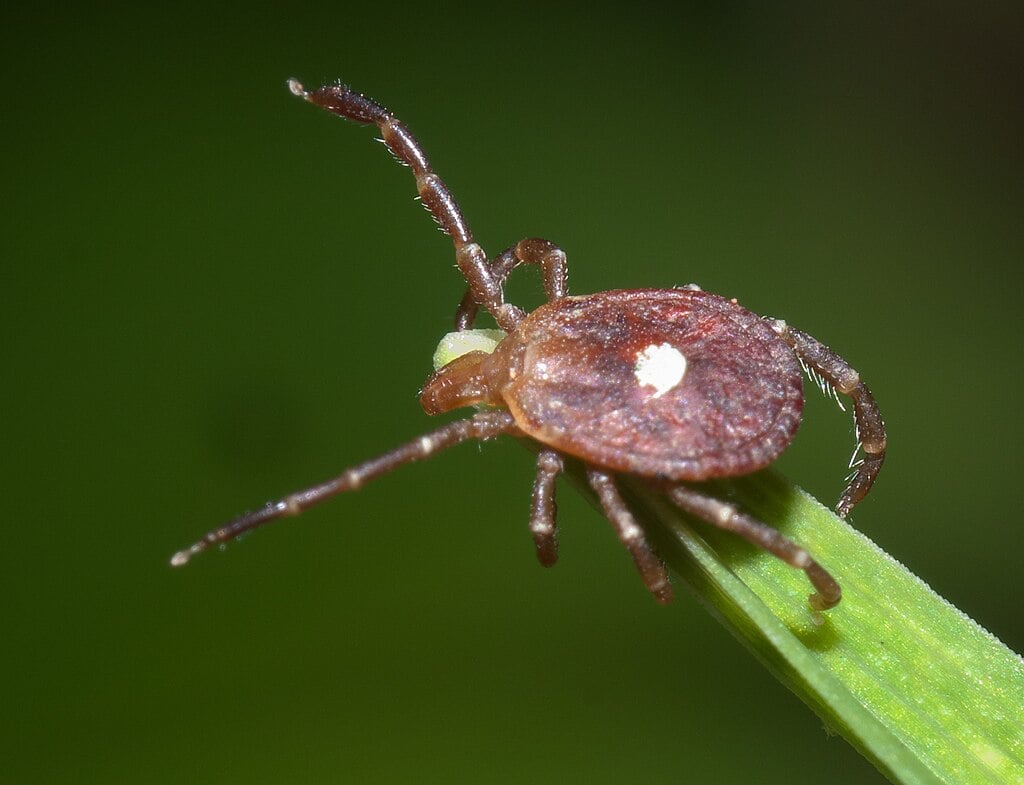
Lone Star Ticks are more of a medium-sized tick, larger than deer ticks, but still not bulky or big. The females are easy to identify because of the single, bright white dot on their backs. This is where they get the name ‘lone star’. Males have scattered white streaks or spots as well. These ticks are known for being aggressive. They do not wait quietly and will actively move toward potential hosts. They are most common in brushy or wooded areas and can cause skin irritation.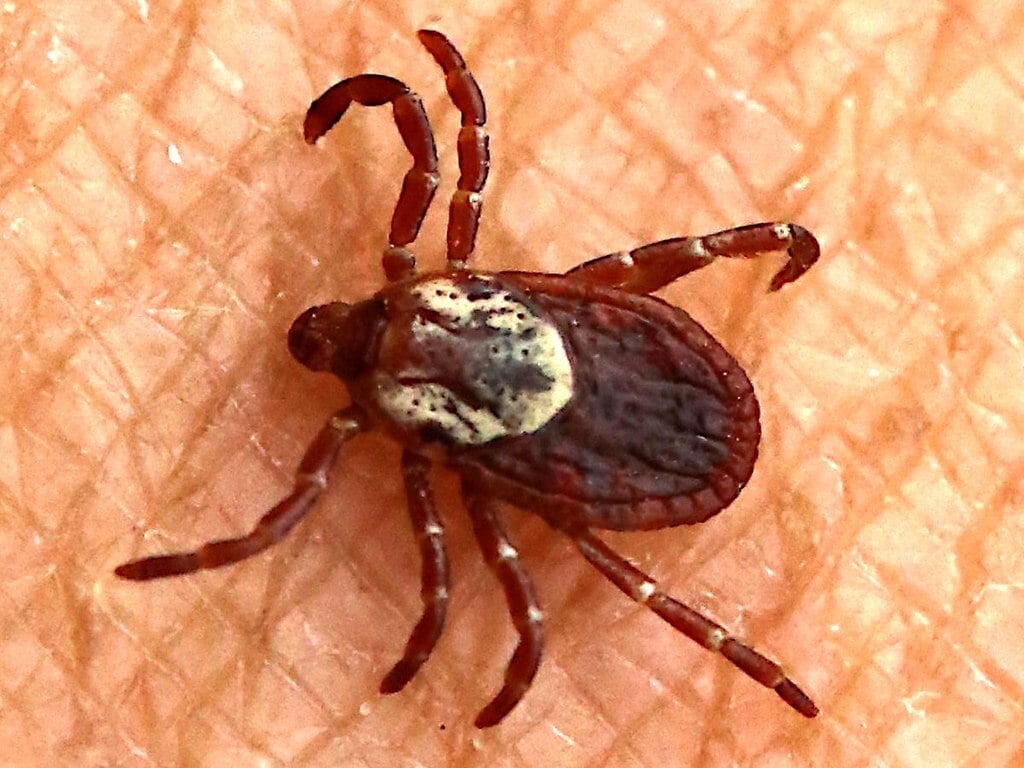
American Dog Ticks are by far the largest tick species you will see in Indiana. They are brown with a distinctive cream or tan speckling on their backs. These ticks love sunny, open areas like lawns, fields, and roadsides. They are more likely to bite dogs (hence the name), but will happily latch on to humans. They are most active in late spring and summer and are commonly associated with Rocky Mountain spotted fever.
Ticks may be tiny, but the problems they carry are certainly not. Each species comes with its own set of potential risks, and knowing what they can transmit helps you understand why prevention matters long before bite season begins.
The most common disease linked to ticks is Lyme Disease, and for good reason. Early symptoms can include a rash, fever, fatigue, and joint aches. If it goes untreated, it can lead to long-term neurological or cardiac issues. Rocky Mountain Spotted Fever is a rare and serious disease spread by ticks. It can be treated if caught early. Initial symptoms include fever, headache, nausea, and a spotted rash that typically appears a few days after symptoms begin.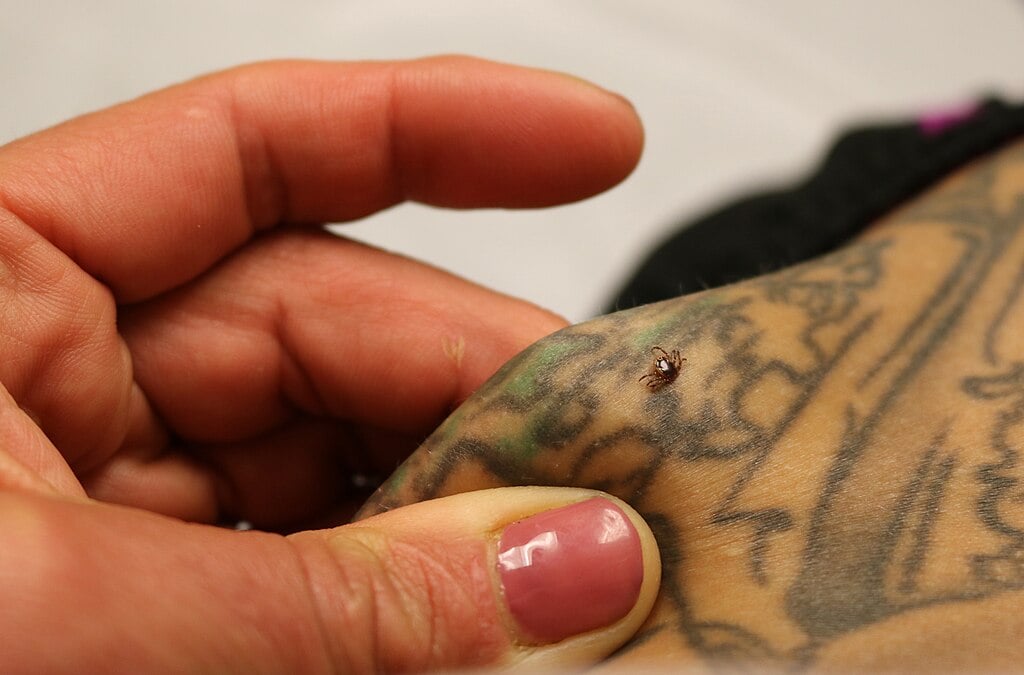
Even when ticks don’t transmit disease, bites can still cause irritation, swelling, or infection, especially if the tick isn’t removed properly. Pets are also vulnerable, and untreated bites can lead to itching, hair loss, or infection around the bite site.
Now that you know what you are looking for and why these tiny pests can cause big problems, it is clear that managing ticks isn’t something you want to leave to chance. Keeping ticks out of your lawn doesn’t have to feel like a never-ending battle, though.
While there are small steps homeowners can take, like keeping grass trimmed, clearing leaf litter, and monitoring pets, these efforts only go so far when ticks in Indiana are active and thriving. The most effective way to truly reduce tick populations is to bring in a professional who understands their habits, their hiding spots, and the science behind stopping them.
At Shades of Green, we know exactly when different tick species wake up, when they are most aggressive, and how to target them before they become a problem for your family or pets. With customized treatments designed specifically for Indiana lawns, you get long-lasting protection and peace of mind all season long.
Ready to enjoy your yard without worry? Get started by filling out our contact form.

Image Sources: frosted grass, deer tick, lone star tick, american dog tick, tick bite
Envision a Tick-Free Lawn


Cory is the heart and soul of Shades of Green. His dedication to doing right for our customers has been the driving force behind the company's success. With a degree in Turf Science from Purdue University, Cory continually strives to craft the best treatment plans using the latest technologies and innovative products, ensuring top-notch results for every client.