Broadleaf Weeds vs Grassy Weeds. The Difference Between the Two.

~1 min
It is frustrating to look out at your lawn and see weeds stealing the spotlight from what should be a clean, green space. Maybe it is a few stubborn patches popping up along the edges, or maybe it feels like they are starting to take over. Either way, it leaves you wondering if you should treat the whole lawn or just the problem spots.
The answer depends on what your lawn is dealing with. When weeds are scattered or just breaking through in certain areas, spot spraying is usually the right approach. But when weeds are covering large portions of the lawn, a full treatment is often needed to get things back under control.
Let’s break down what exactly spot spraying means, how it compares to full lawn treatments, when each method is used throughout the year, and how the right approach keeps your lawn looking its best.
Jump to:
What Does it Mean to Spot Spray Weeds?
Spot Treating Weeds vs. Full Lawn Treatment Plan
Lawn Weed Treatment in Indiana
The Best Weed Control for Lawns Involves a Layered Approach
Partnering with Shades of Green for Weed Control
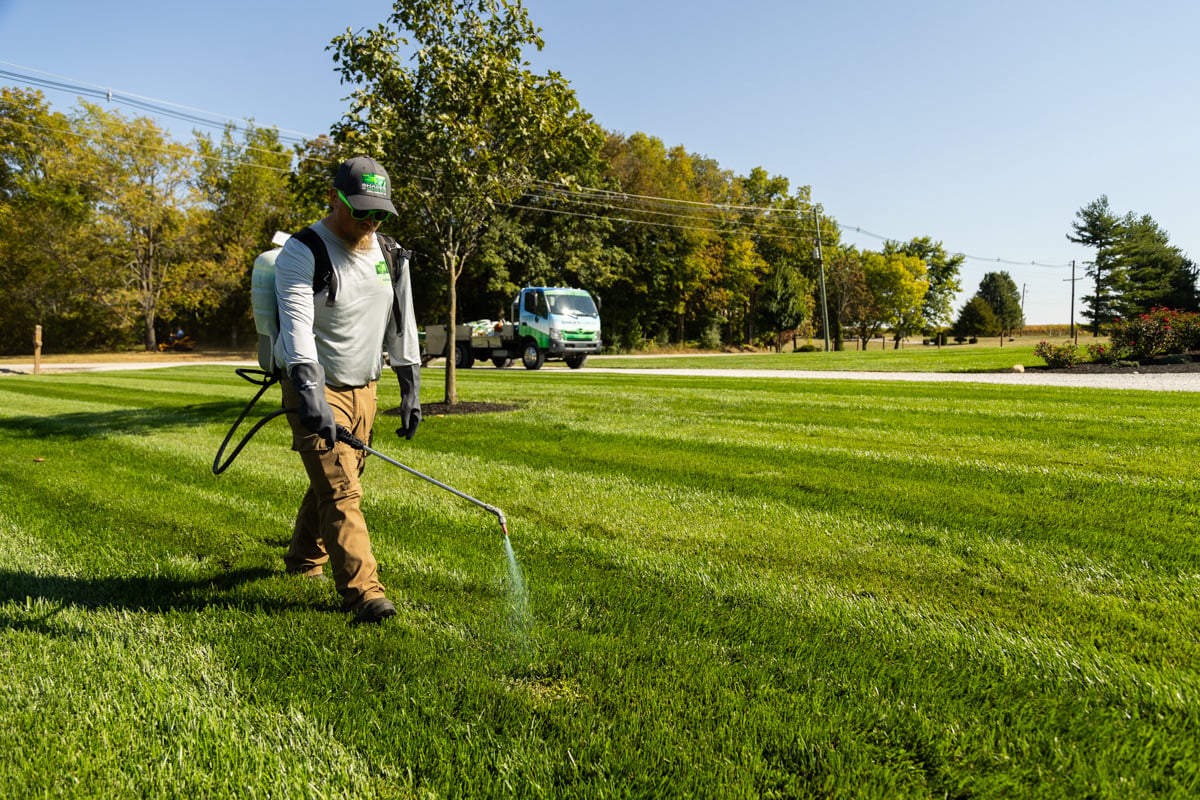
If you have ever heard a lawn care professional use the term ‘spot spray,’ it might sound oddly technical, but the idea is actually very simple. Spot spraying is a targeted weed control method where a lawn care technician applies a treatment directly to a specific problem area (a spot) in your yard. This type of weed spraying focuses on the visible weeds you can already see, such as patches of dandelions or clover.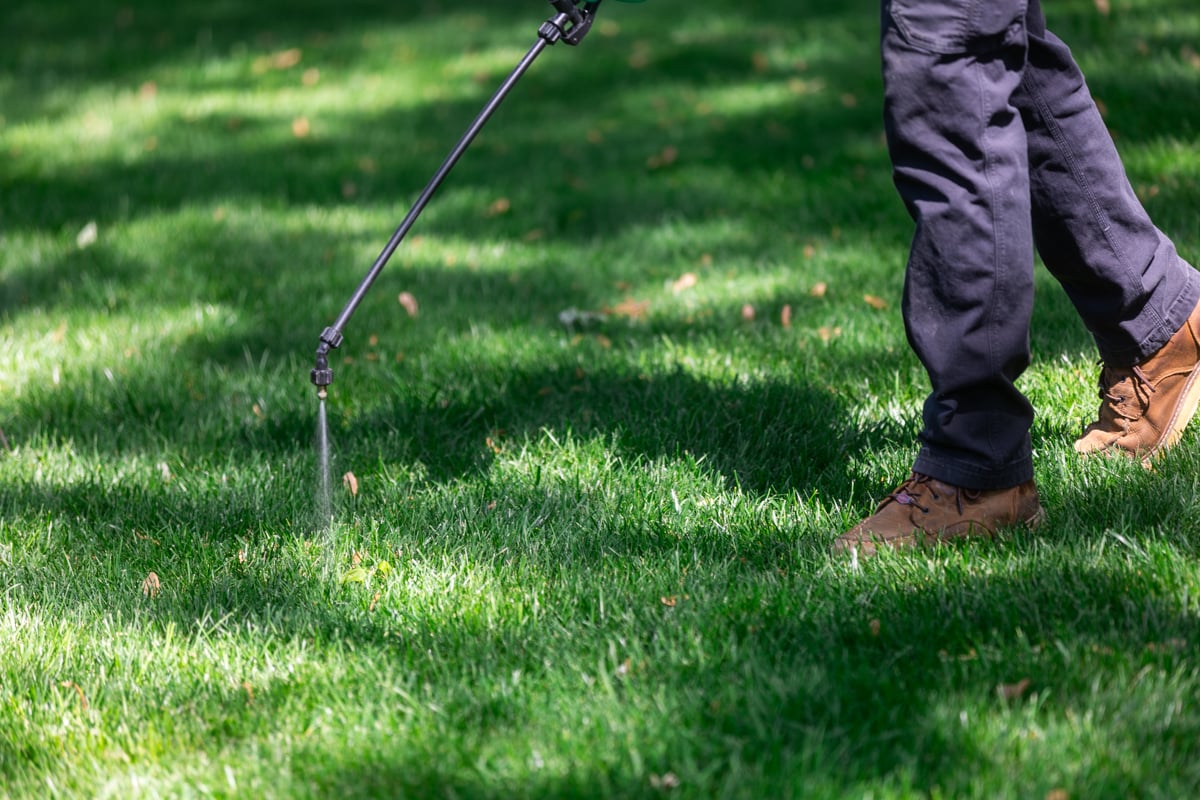
Think of spot treating weeds like treating a stain on your shirt. You add treatment right where the stain happened. Just like addressing a stain in your laundry, when you spot spray weeds, the treatment is precise and efficient. By applying herbicide only where it is needed, spot spraying helps control weeds without unnecessary product use, while still protecting the surrounding healthy grass. It is a common and effective approach used especially when weeds appear in small clusters rather than across the entire yard.
Since not all weed problems look the same, they are not all treated in the same way. Spot spraying is ideal when weeds are scattered or just starting to pop up in specific areas. This is often the case with things like crabgrass breakthrough or nutsedge, which tend to show up along lawn edges or thinner, stressed spots. Since these weeds are not taking over the entire yard, a technician can pinpoint exactly where they are and treat only those areas. It’s a precise approach, like using a rifle over a shotgun.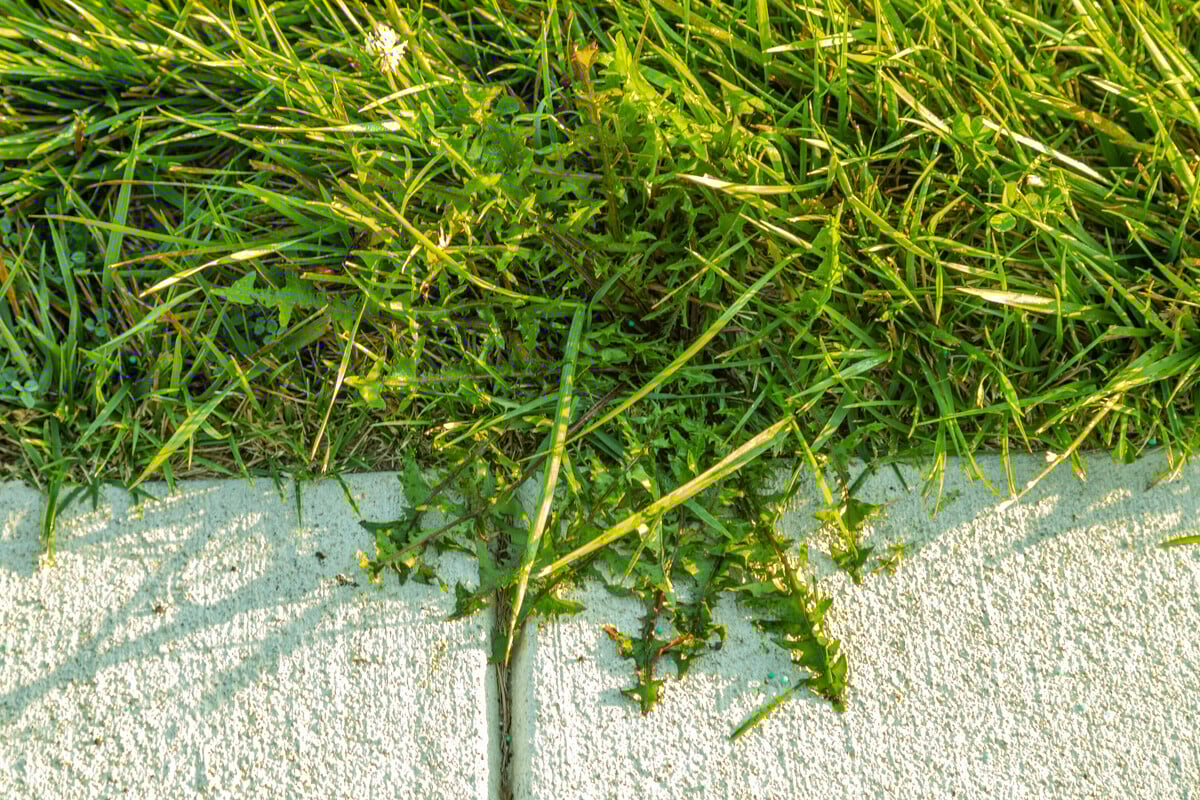
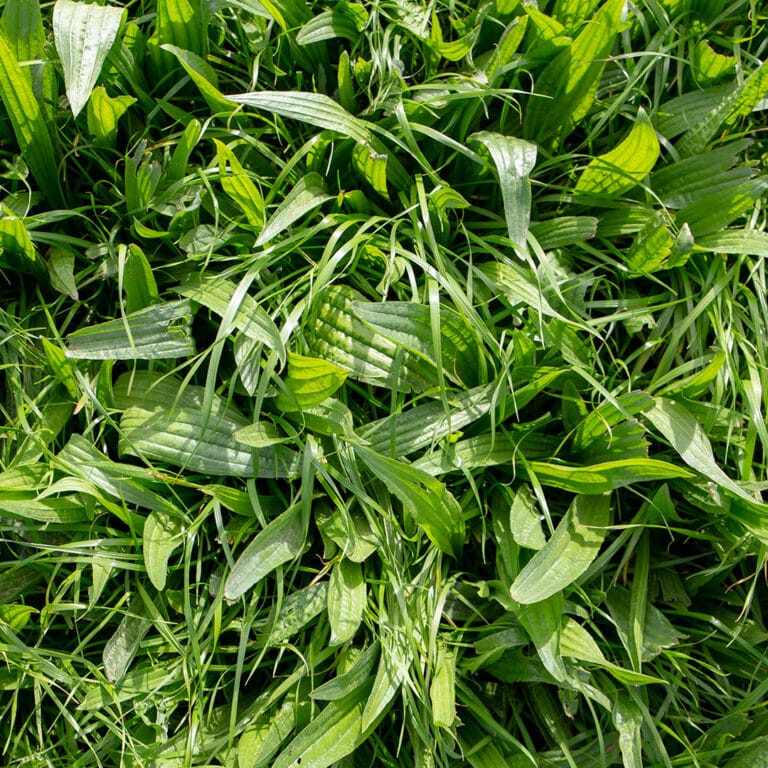
However, in lawns that have not received regular weed control or with specific types of weeds, a different approach is required. Broadleaf weeds can sometimes blanket large areas of turf, especially in established lawns where they have had plenty of time to take hold.
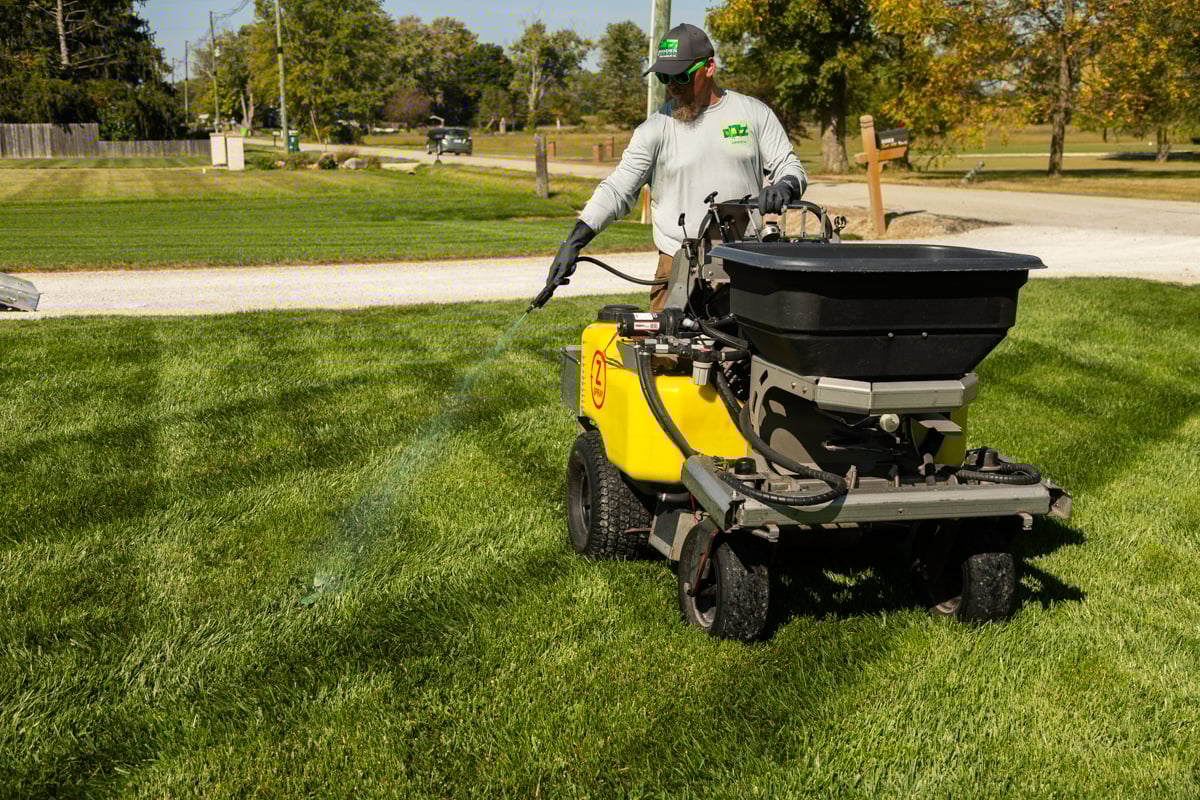
When weeds are widespread like this, a full lawn treatment becomes necessary to effectively address the problem across the entire yard.
Here in Indiana, we see a wide range of weed pressure thanks to changing seasons, temperature swings, and high moisture levels. Because of that, weed control is not a one-size-fits-all approach. It depends on what is happening on your lawn at a specific time.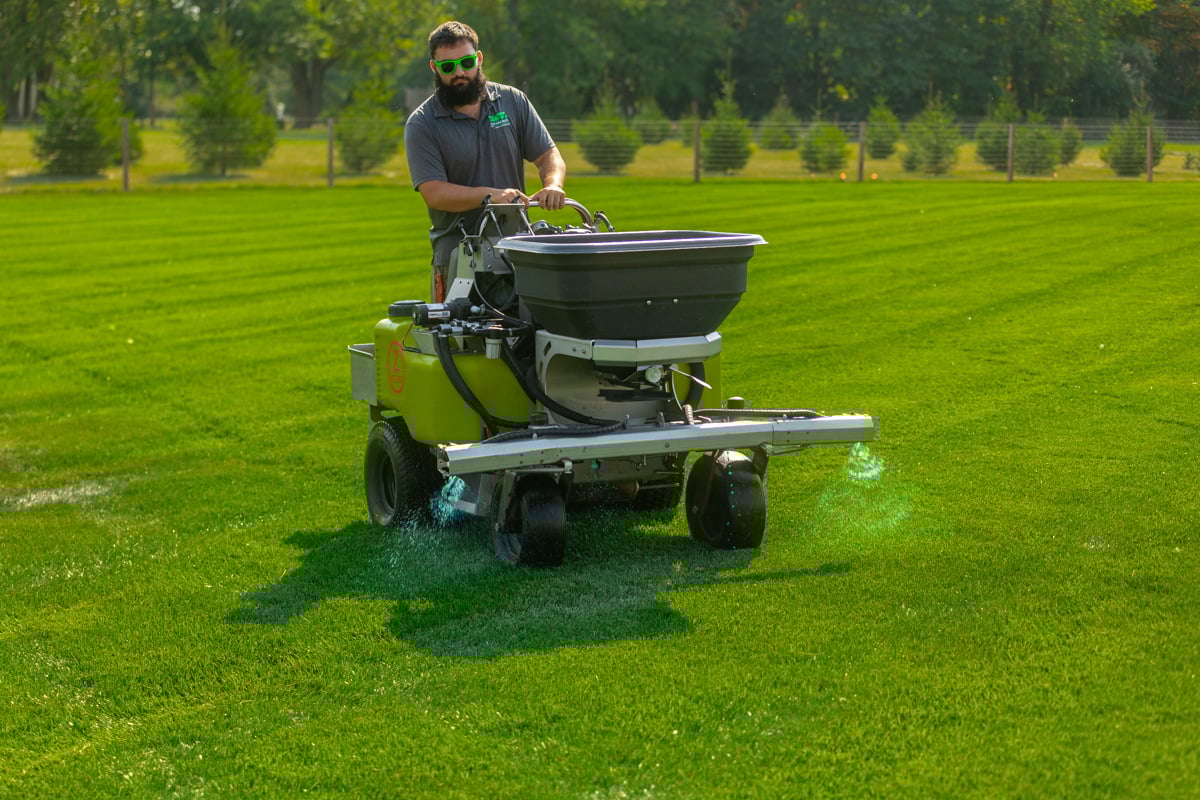
There are times when a full lawn treatment makes sense, especially when weeds are widespread or have had the chance to establish across large areas. This is common with new customers or lawns that haven’t been consistently treated. In these cases, treating the whole yard makes sure everything is addressed at once instead of chasing weeds bit by bit.
Once a lawn is in good shape and weeds are under control, weed control strategies can shift toward prevention.
Timing and weed pressure play a big role in how weeds are targeted throughout the year. In the spring, full lawn treatments are a priority, especially for new clients. Early application helps knock down weeds, and a follow-up treatment a few weeks later, when temperatures warm up a bit, ensures anything newly germinated is also controlled. Spring is one of the key windows when blanket, full lawn treatments are most effective.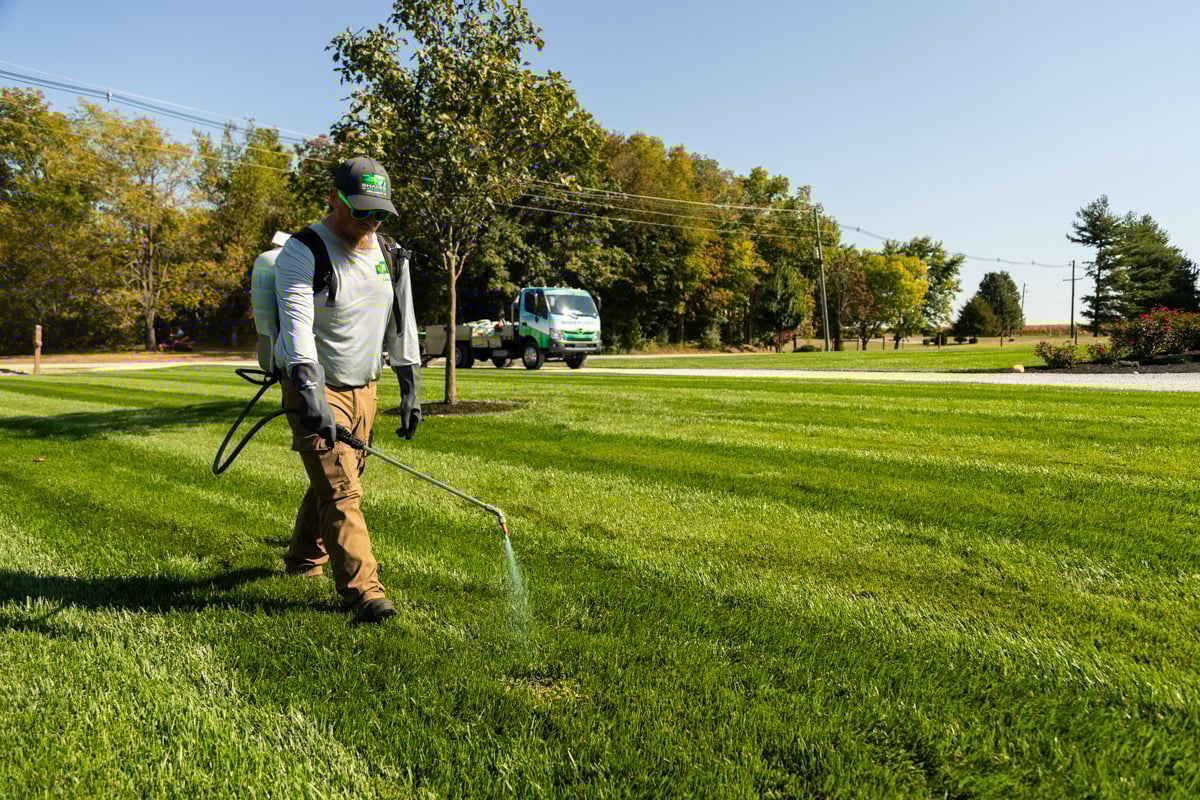
As summer rolls in, the approach to weed control has to change. Lawns and weeds are often stressed from heat and potential drought. During this time, plants slow down their natural processes, meaning they are not absorbing and moving products like weed control as effectively. A full lawn treatment in these conditions can be hard on the turf and increase the risk of off-target damage. That’s why spot spraying is the main weed control method in the summer. It helps to target only what breaks through while minimizing stress on the surrounding areas.
Fall is the other prime window for full lawn treatments. Cooler temperatures and active plant growth make this the most effective time to apply weed control products. Lawns handle it better, and weeds are more responsive to the desired effects of the treatment.
The most effective weed control adjusts with the lawn’s conditions and the time of year. Both spot spraying and full lawn treatments are necessary to control weeds here in Indiana. Early in the season, full lawn treatments help reset and establish control, especially if weeds are more widespread. As the lawn fills and becomes healthier, the method shifts toward maintenance. Spot treatments can be used to quickly address any new or stubborn weeds without overapplying the product.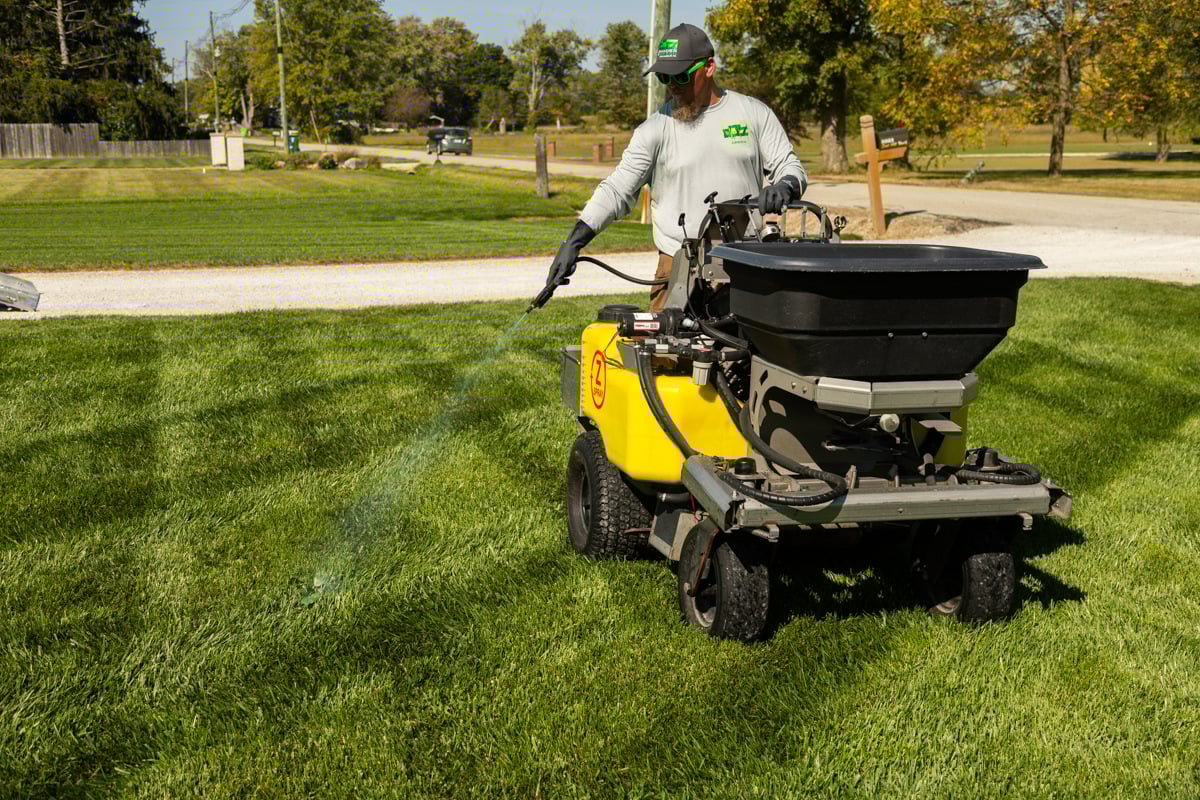
Keeping weeds under control comes down to using the right approach at the right time. When both spot spraying and widespread treatments are used thoughtfully throughout the seasons, it not only improves results but also helps protect the overall health of your grass.
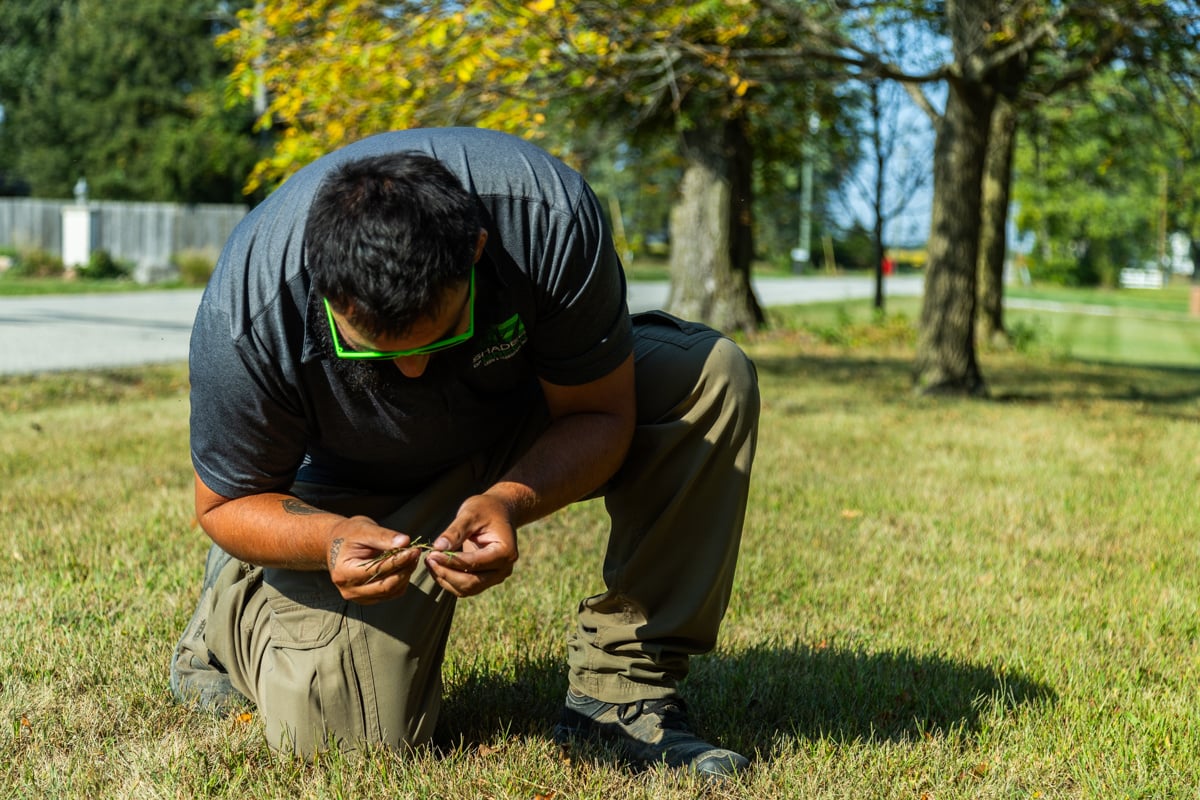
Battling weeds can be stressful and sometimes a whole lot of work. If you are not sure what your lawn needs or if you are tired of guessing, working with a professional can take the pressure off. At Shades of Green, we are watching as conditions change and can adjust treatments because we understand how Indiana lawns behave. This means a healthy and consistently weed- free lawn without all the trial and error.
Sick of tackling weed control on your own? Get started with a lawn care program that covers everything your turf needs by filling out our contact form.
Envision a Brighter Future for Your Lawn


Cory is the heart and soul of Shades of Green. His dedication to doing right for our customers has been the driving force behind the company's success. With a degree in Turf Science from Purdue University, Cory continually strives to craft the best treatment plans using the latest technologies and innovative products, ensuring top-notch results for every client.