
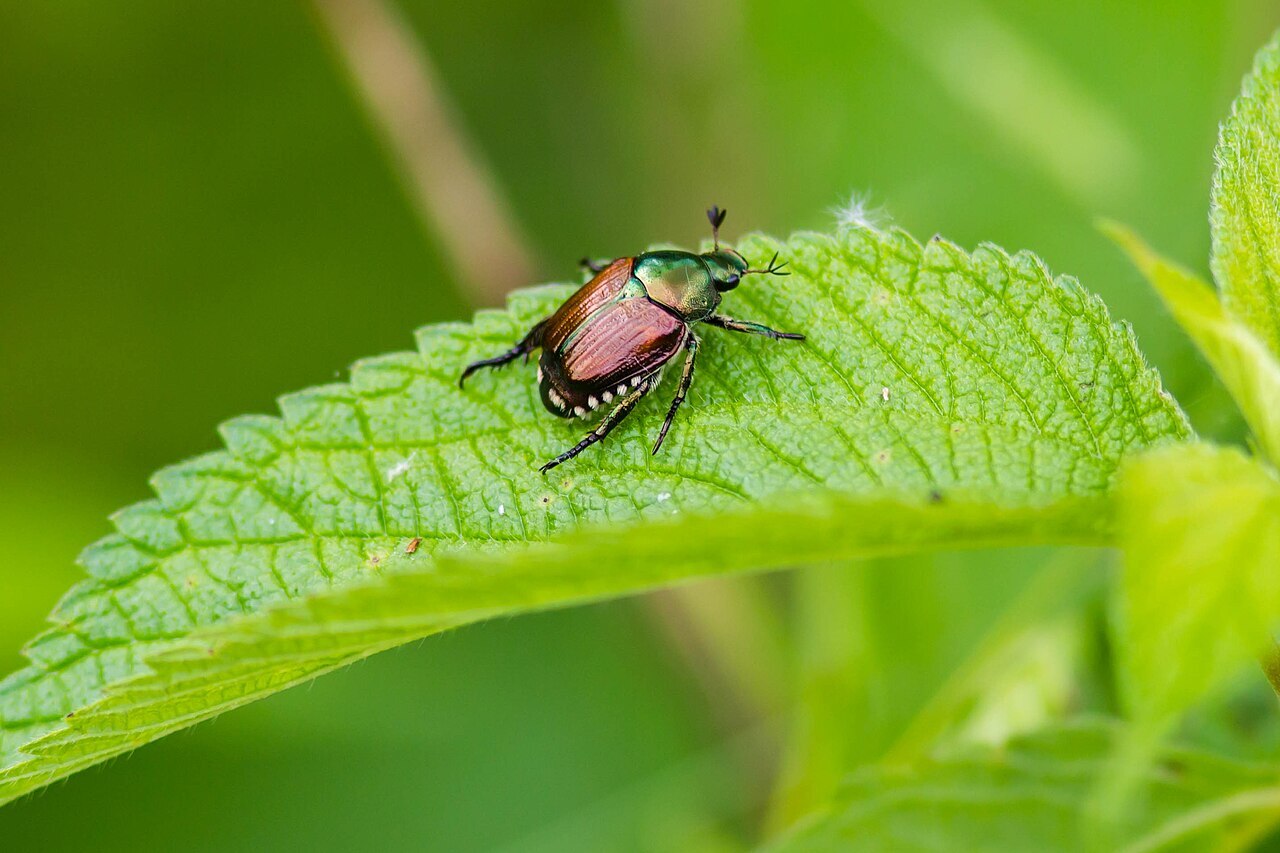
3 Signs of a Japanese Beetle Infestation in Your Indiana Landscape

If you see one Japanese beetle, you can bet that there are more close behind. The Japanese beetle is a landscape pest that travels in large numbers. And when they find something to feed on, like your beloved landscape plants, they have a special way of attracting their friends to that precise location.
This is one of the reasons why the Old Farmer’s Almanac names Japanese beetles as one of the most troublesome pests of the eastern and midwestern parts of the country. While they are relatively small in size, they can be incredibly destructive, particularly due to their tendency to feed in large groups.
We know that Japanese beetle damage can be frustrating which is why we want to educate you on what to do.
Jump To:
What Are Japanese Beetles?
When Are Japanese Beetles Active in Indiana?
3 Signs of a Japanese Beetle Infestation
Why Early Detection Matters
Japanese Beetle Prevention Tips
FAQs on Japanese Beetles
Choosing Lawn Care in Lafayette and Nearby Areas
What Are Japanese Beetles?
The Japanese beetle is an invasive pest that originated from Japan. They were unknown to the United States until 1916 when the first ones showed up in New Jersey.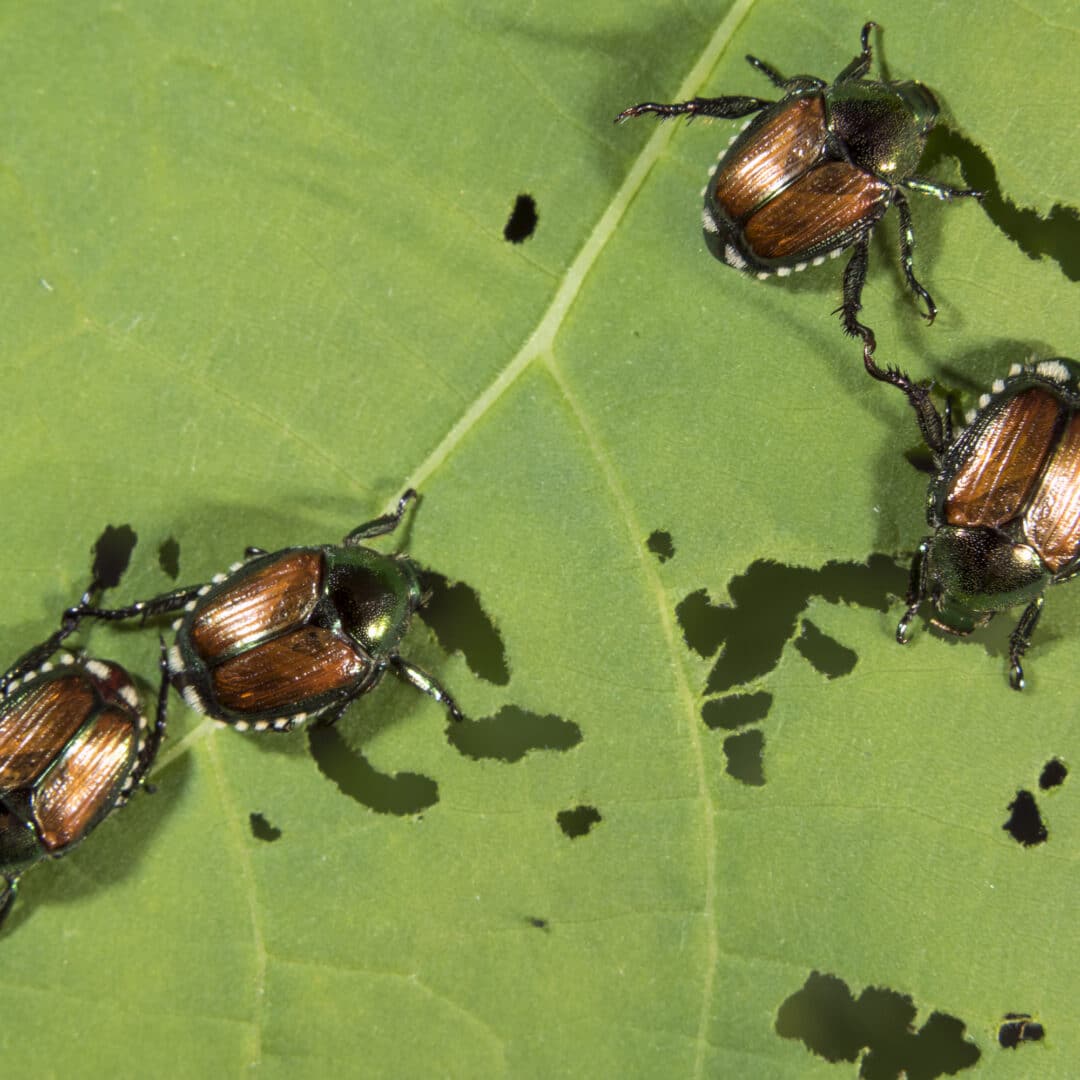
Today, they pose a major problem to residential landscapes and even commercial crops.
Japanese beetles have some distinguishing features including:
-
Metallic green head and body
-
Copper wings
-
About a half inch in length
Japanese beetle damage is also very noticeable on your Indiana property. Because these beetles use their sharp mouthparts to chew on foliage, they will fully skeletonize leaf tissue. Additionally, their larvae fall into the basket of white grubs, one of the more destructive lawn pests we see here in Indiana.
When Are Japanese Beetles Active in Indiana?
Japanese beetles are most active in Indiana in mid-June through August. This is the time when they are actively consuming landscape plants.
However, the Japanese beetle is one of those pests that is a problem throughout its entire life span. When you look at the Japanese beetle lifecycle, you see that it’s not just the adults that cause trouble. Japanese beetle grubs are also highly problematic.
They begin their lives as these beetle grubs, chewing on grass roots with an intensity that can destroy your lawn. Then, they mature into adults and move to feeding on your landscape plants.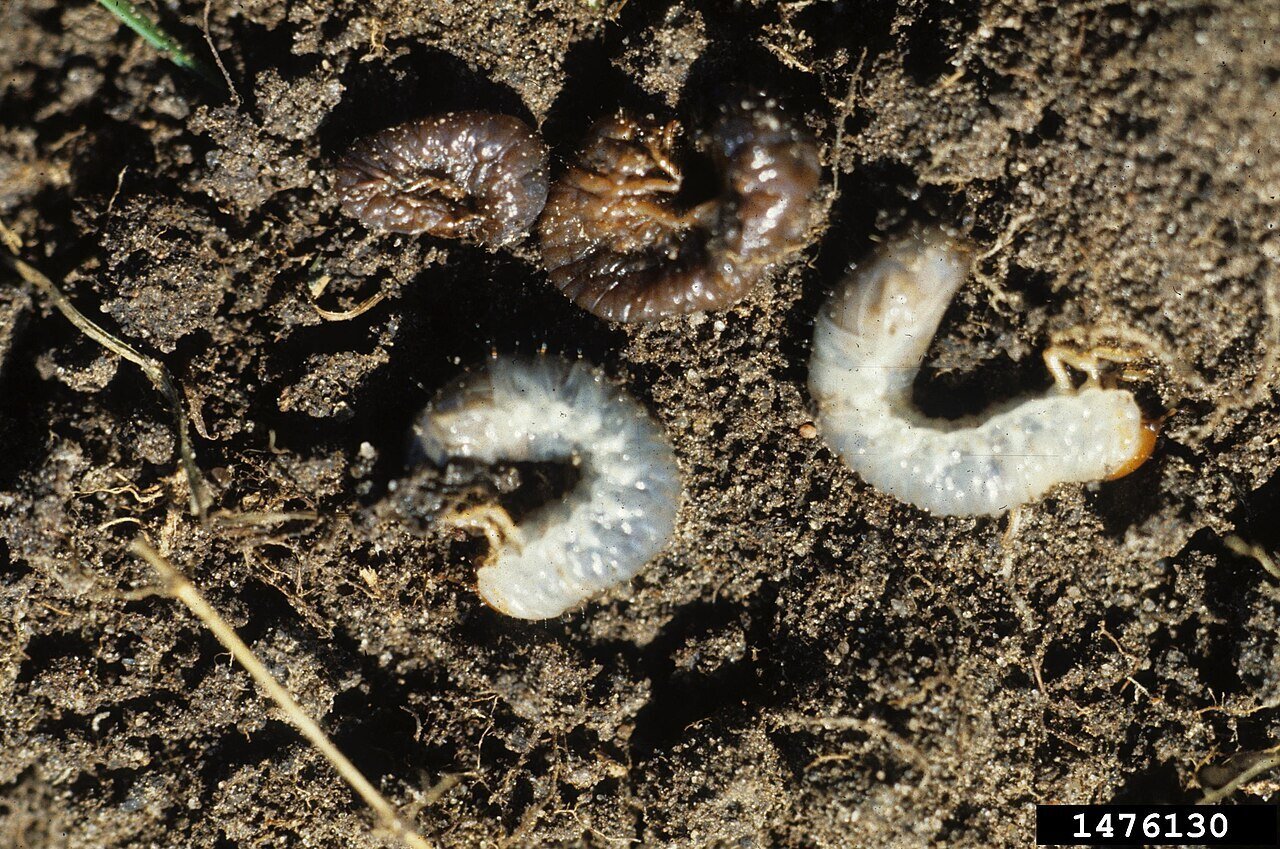
That means Japanese beetle damage can begin in the lawn and ultimately transition to the landscape. These pests can, in essence, be destructive to your whole property.
3 Signs of a Japanese Beetle Infestation
How do you know if you have a Japanese beetle infestation? Here are some common signs.
You see something shiny on your plants
Adult Japanese beetles are not exactly teeny tiny and they have shiny metallic shells. That makes them relatively easy to spot with the naked eye. If you find one of these beetles munching on your plant leaves, you can bet there are more already on your property. These beetles fly so you might not necessarily see them eating. You might catch them flying around instead.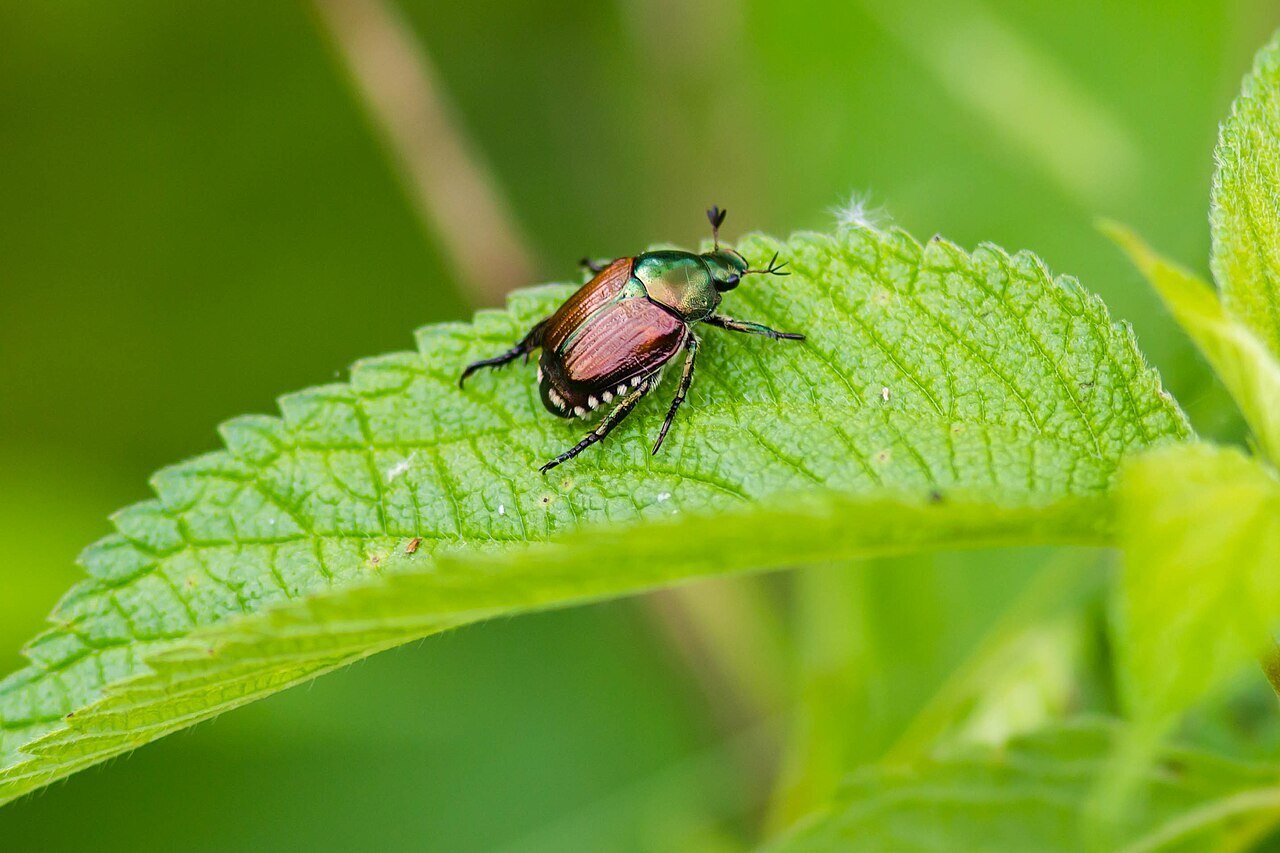
Finding plant damage
These insects eat the plant fiber of plant leaves. Their feasting results in lacy-looking, skeletonized leaves, leaving only the veins behind in many cases.
Grub damage in the lawn
Since new Japanese beetles start as lawn grubs, you may see damage to your lawn. This might include brown patches that don’t turn green, turf that feels spongey, or an increased presence of animals like birds, skunks, raccoons, and moles as these animals eat grubs and will tear up your lawn to find them. Lawns that have been damaged by grubs can also “roll up like a carpet” since they no longer have roots holding them down.
Why Early Detection Matters
Because Japanese beetles can be so destructive, spotting them early is helpful in preventing widespread damage.
Early detection is also important since beetles end up feeding in groups. When a Japanese Beetle finds a good feeding spot, it will release a pheromone to attract its friends to that same location.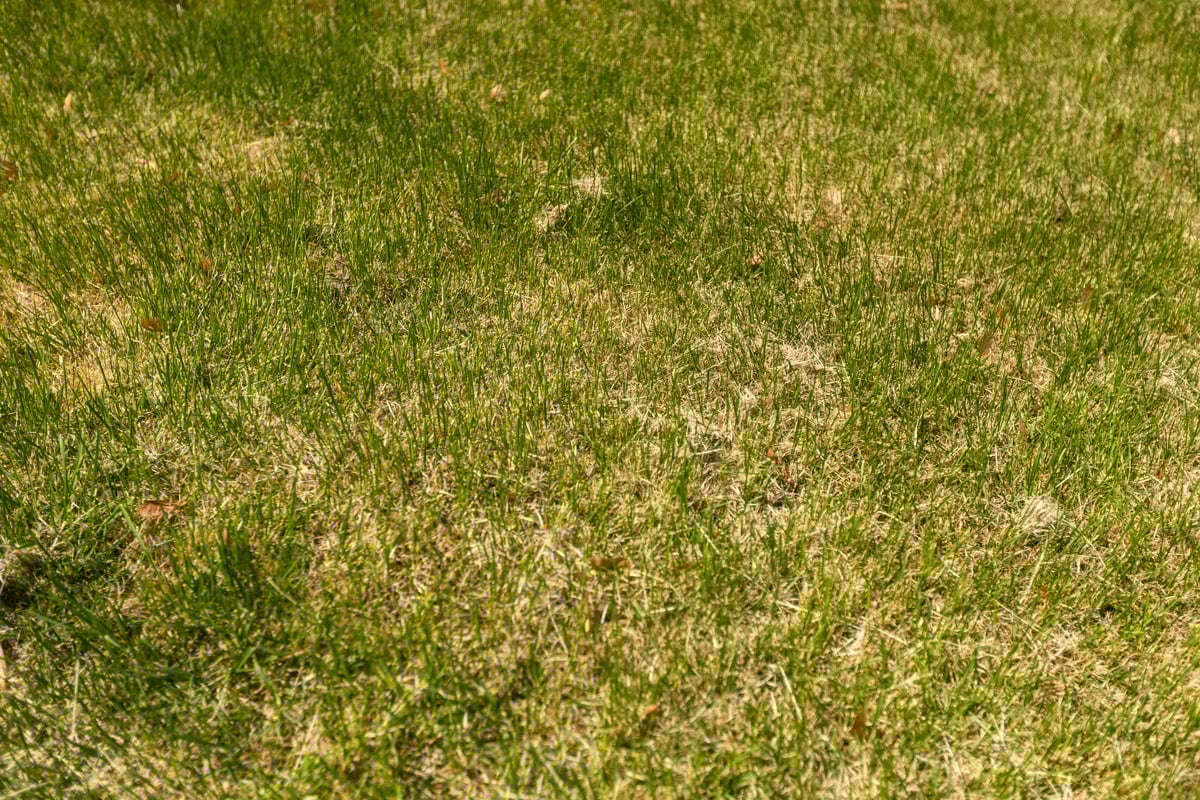
It won’t take long for this to turn into a full-blown infestation.
If you can identify these pests early on and get rid of them, you can prevent them from multiplying and from severely damaging your landscape. We’ll talk more about Japanese beetle prevention in our next section.
Japanese Beetle Prevention Tips
Preventing Japanese beetle damage is most effective when you start early in the season before they have a chance to voraciously feed on your plants. Here are a few tips on how to do that.
Start with Lawn Grub Protection
Attacking Japanese beetle larvae (grubs) with lawn grub control is one step toward preventing these pests on your property in the first place. You don’t want grubs destroying your lawn so this is an important step anyways. But it will also play a role in preventing those grubs from turning into adults that go on to feast on your plants.
The best defense for grubs is getting ahead of them before they have a chance to start feeding on your lawn. You may have heard that grub treatment should go down in the summer months, and for some weaker products, that can be true. For lawns here in Indiana, April through May is the most ideal time to treat. With the right products, you get a long-lasting residual effect that continues working right until it matters most, when eggs are hatching and early feeding starts. Make sure you partner with a lawn care professional that includes grub control in their programs.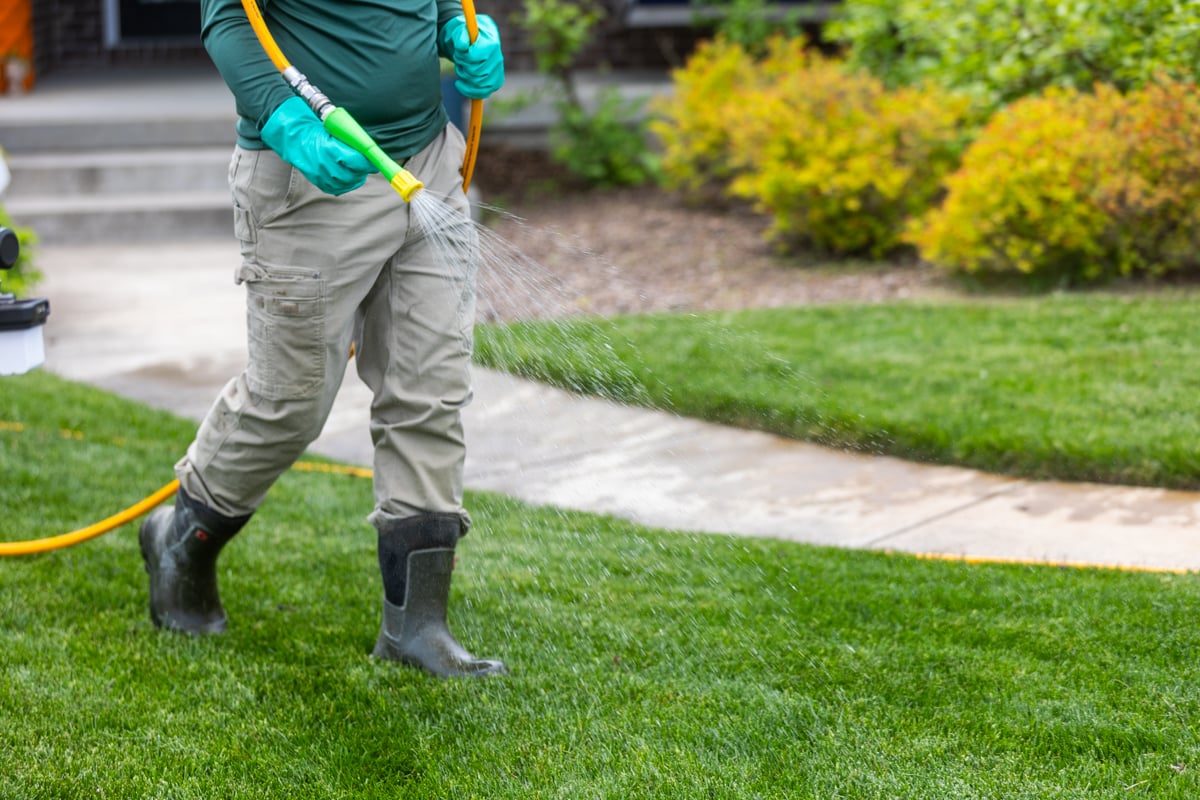
While this is definitely a critical step, it does not mean it’s going to prevent all Japanese beetles from winding up on your property. Many adult beetles do travel from elsewhere so it’s important to understand that just because you invest in grub control does not mean you will never see a Japanese beetle on your property.
Hand Pick Beetles if You Spot Them
If you do see Japanese beetles on any of your landscape plants, it’s important to pick them off and get rid of them. You can put them in soapy water to dispose of them.
If it’s early enough in the season and an infestation hasn’t occurred yet, you can reduce the population of beetles simply by hand-picking them.
Do this in the morning when they’re sluggish for the most success. If you already have an infestation, there are some insecticides that can target Japanese beetles.
Avoid Purchasing Traps
One thing that we strongly advise against is purchasing Japanese beetle traps. These actually attract MORE Japanese beetles to your property. Homeowners often assume these traps are working great because they fill up quickly. But many of these are beetles that you brought into your yard from elsewhere…and you don’t know how many are still out there consuming your plants.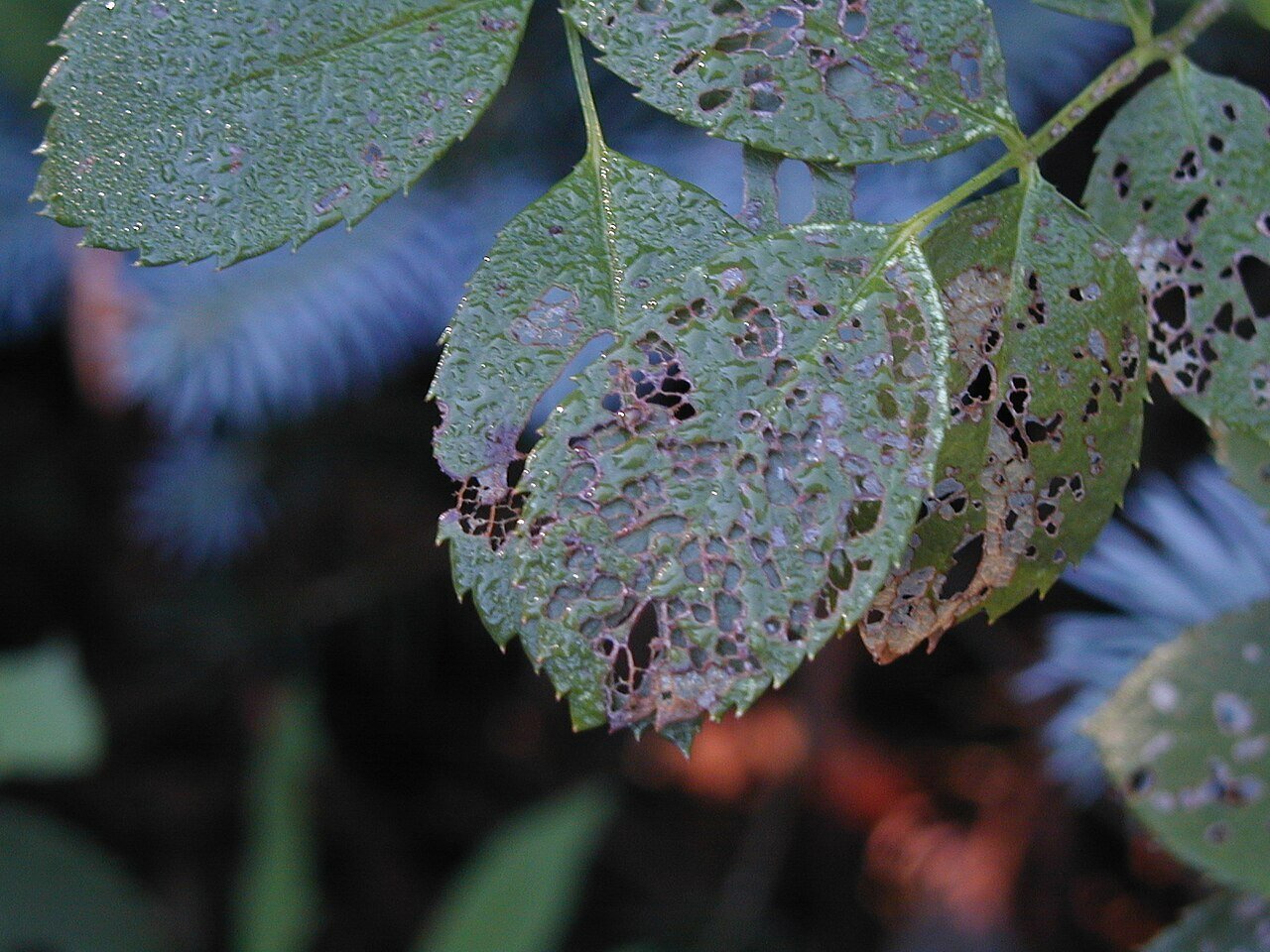
Traps work by releasing a pheromone that attracts other beetles. Yes, it will attract the beetles that are already on your property. But it will also bring them from many other yards.
That means that you are inviting more pests into your yard which might decide to feed on your landscape before making their way to the trap. And there are always going to be some that don’t get caught. These traps end up causing more potential problems down the road.
FAQs on Japanese Beetles
Here are some of the most commonly asked questions about these pests.
When do Japanese beetles typically start appearing in Indiana?
Adults usually start to emerge in mid June with the season peaking in July. But you might see these pests all the way through August.
How can I tell the difference between grub damage and other lawn issues?
Since grub damage can sometimes show up as brown spots (once the lawn has died in those areas), it can get mistaken for various lawn issues. But one way to tell if it’s grub damage is to try the “tug test.” If the grass pulls up easily or is fully detached, something is likely eating the roots. Grass that has been damaged by grubs can also “roll up like a carpet” since it’s no longer anchored down.
Can I treat a Japanese beetle infestation on my own?
Yes, you can use store-bought products and also hand remove Japanese beetles to try and reduce the population.
Where do Japanese beetles live?
When Japanese beetles are not actively feeding, they tend to stay close to the plants they’ve been feasting on. They live in trees and shrubs on the undersides of leaves, on branches and stems, or sometimes even in the lawn.
Choosing Lawn Care in Lafayette and Nearby Areas
A lawn care company can help you in your fight against these pests by attacking Japanese beetle larvae with grub control.
Grubs might be working underground, but the damage they cause can show up quickly, front and center on your turf. Later on, that can turn into damage to your landscape as the adult beetles start to feast. However, with the right timing and proactive approach, you can stop the problem before it gets started.
At Shades of Green, grub control is built right into our programs, not addressed as an afterthought. Our Grub XL treatment is designed to protect your lawn from both grubs and billbugs, giving you coverage against pests that cause the most damage in our area. And, if you are already seeing signs of trouble, our team can help properly diagnose what’s going on and recommend the right next steps.
Want to beat out grubs this season? Get started today by filling out our contact form.
Image Sources: white grub, Japanese beetle, Japanese beetle damage
Envision a Brighter Future for Your Lawn

About Cory Overman

Cory is the heart and soul of Shades of Green. His dedication to doing right for our customers has been the driving force behind the company's success. With a degree in Turf Science from Purdue University, Cory continually strives to craft the best treatment plans using the latest technologies and innovative products, ensuring top-notch results for every client.