
How to Identify and Control Nutsedge in Indiana

Finding weeds in your lawn can be a major source of frustration. Weeds tend to stick out and impact the uniformity of your lawn’s color. They also compete with your grass for essential needs like water and nutrients. That means having weeds in your lawn can deprive your healthy turf!
Of the various weeds that we battle here in Indiana, nutsedge weed is one of the major offenders. Not only is it a major eyesore, but it can be really difficult to control.
In this article, we’ll talk about everything you ought to know about identifying nutsedge in Indiana, including what to do if you find it. We truly want you to be able to enjoy your lawn instead of worrying about invasive weeds.
Jump To:
What is Nutsedge?
Identifying Nutsedge in Indiana Lawns
Nut Grass vs Nutsedge: What’s the Difference?
Why Nutsedge is So Difficult to Control
How to Control Nutsedge in Lawn
FAQs About Nutsedge Weed
When to Call in the Pros
What is Nutsedge?
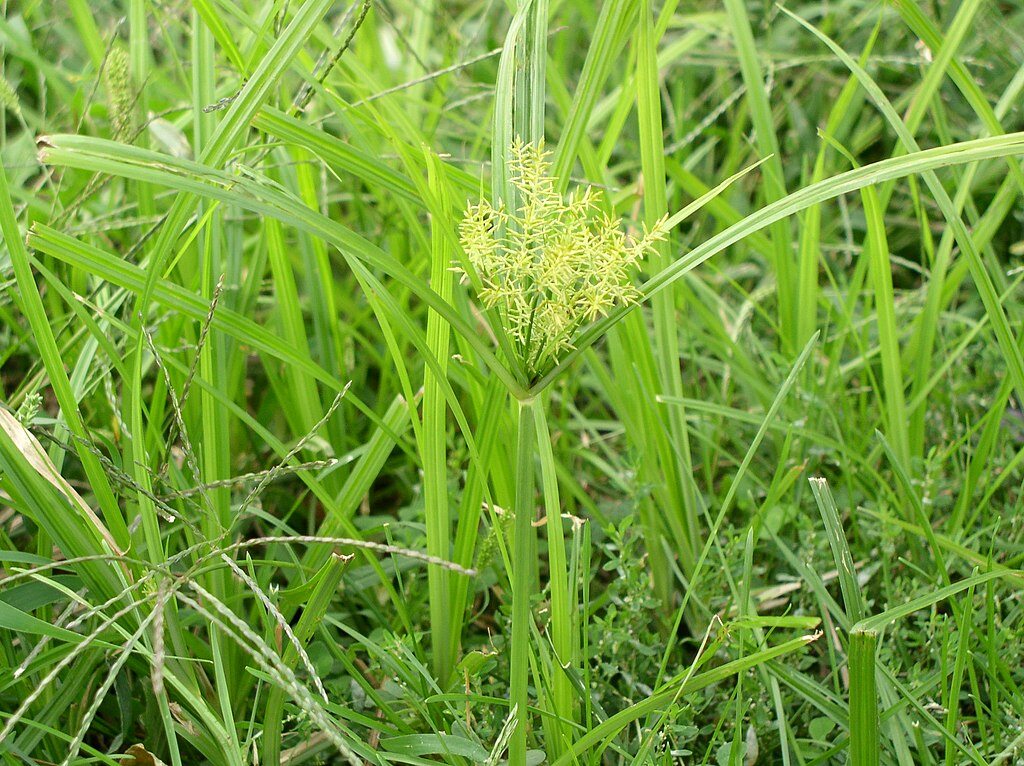
Though it looks like a grassy weed (and is commonly misidentified by homeowners as crabgrass), nutsedge is a perennial weed that is actually part of the sedge family. It has a thicker stem and leaves that are more v-shaped.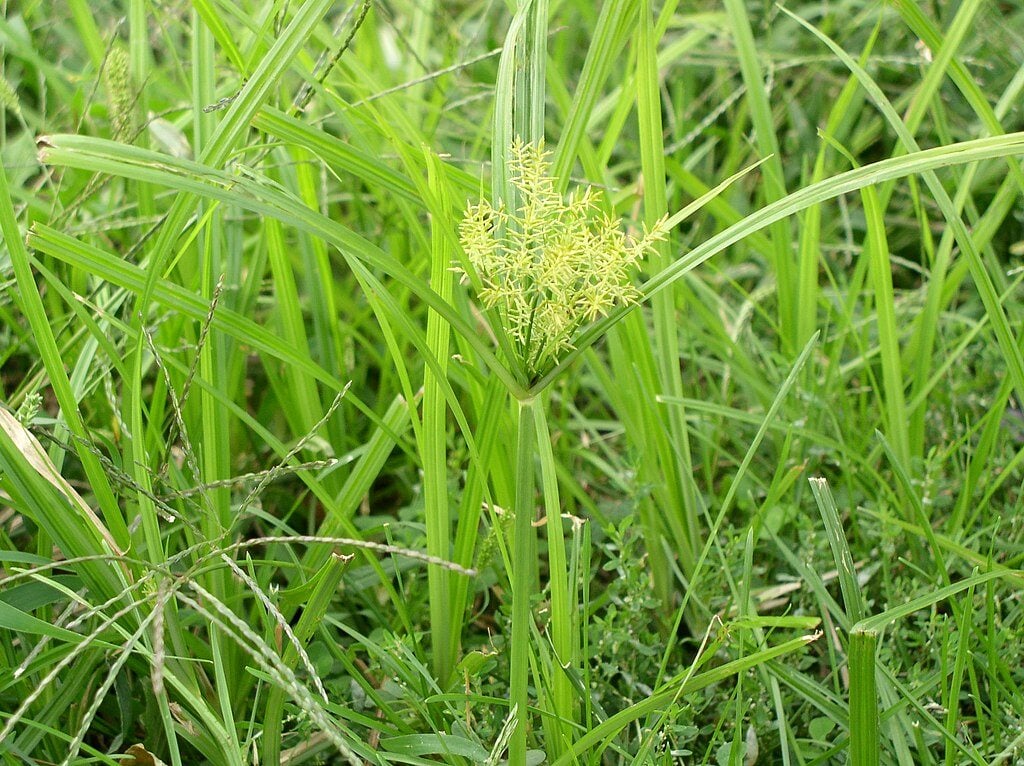
Sedge weeds tend to be aggressive weeds because of the way that they grow underground via “tubers,” also called “nutlets” (which is where the name comes from).
These tubers store energy, allowing the weed to bounce back even after mowing or pulling. It can quickly take over, creating unsightly patches of taller, uneven growth in your lawn.
Nutsedge weed loves moisture and poorly draining soils but can also persist in drier areas if not controlled.
Identifying Nutsedge in Indiana Lawns
At first glance, homeowners do sometimes mistake yellow nutsedge in the lawn for a different grassy weed, like crabgrass. But there are definitely some identifiable features when comparing nutsedge to crabgrass (or any other weed for that matter).
A key identifying feature is color. Nutsedge is a much brighter, almost neon green color. This is different from crabgrass which is duller and almost bluish-green.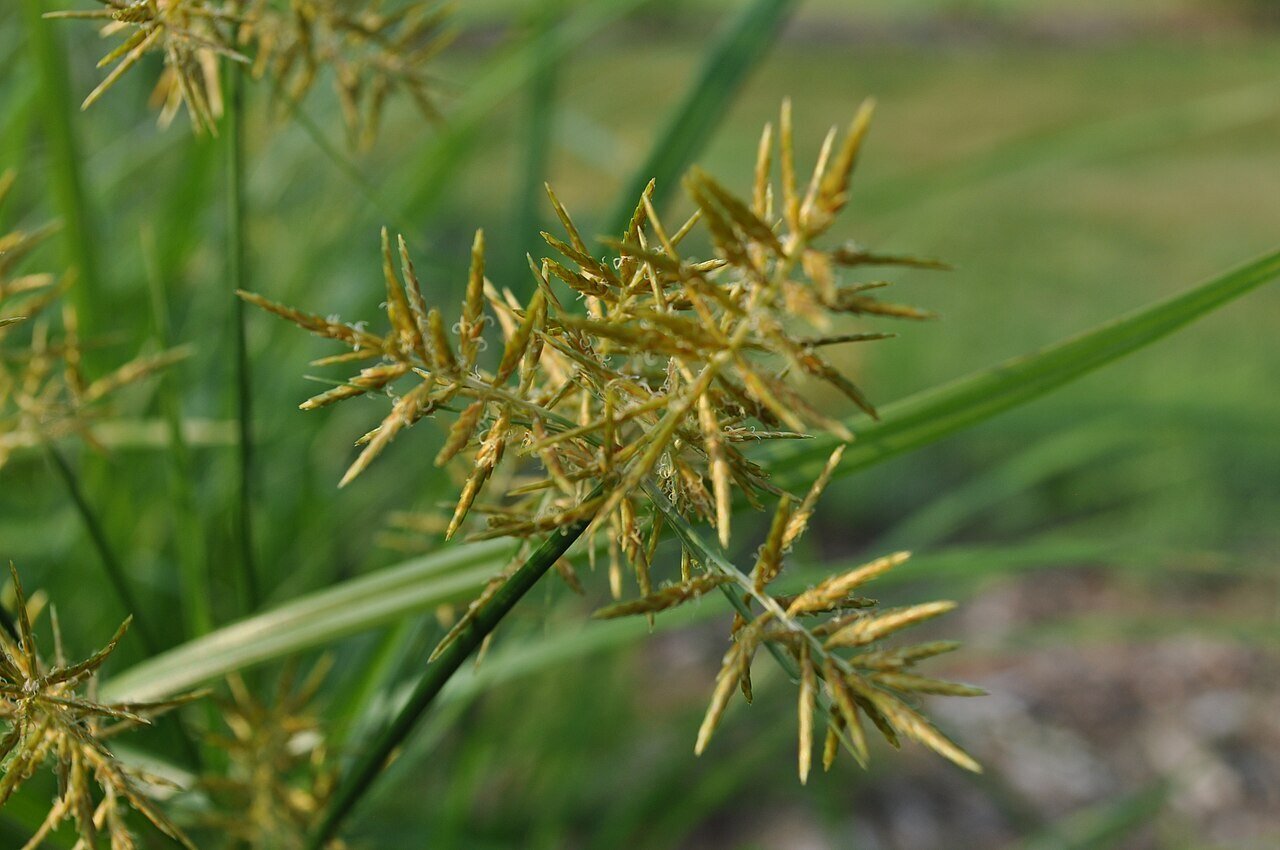
Nutsedge also tends to really stick out from the rest of the lawn both because of its bright coloring but also because it grows so much faster than desired turfgrass. Nutsedge can grow 3 to 5 times faster than regular turfgrass, so it’s almost always identifiable because it sticks out so much.
As many of us turfgrass experts learned in school, there’s also the saying “sedges have edges.” If you look closely at the nutsedge in the lawn, you’ll notice it has triangular stems. If you were to roll an individual blade between your fingers, you can feel those edges.
Nut Grass vs Nutsedge: What’s the Difference?
We sometimes get asked the difference between nutsedge and nut grass and the answer is simple: they’re the same thing!
Nut grass is simply a different name used for this weed. Nutsedge is the correct common name and nut grass is a nickname that people have given this weed over time.
The nut grass nickname can get confusing since this weed is not actually a grass (but a sedge). Whatever you call it, this weed is a pain! That’s why you need to implement effective nutsedge control.
Why Nutsedge is So Difficult to Control
Nutsedge is a notoriously difficult weed to control. This is one of the reasons why it often tops the list for most-hated weeds.
There are a few reasons why nutsedge control can be so challenging.
Underground spreading
For one, a key challenge is the way that this weed reproduces and spreads.
Nutsedge’s underground nutlets (aka tubers) store energy, so even if you mow or pull the weed, the underground nutlets can just send up new shoots. Underground you might have an extensive chain of nutlets growing across the yard, which is why it just keeps coming back.
Pulling it can potentially even make problems worse as this just stimulates growth. When you pull on a sedge weed, the underground nutlets interpret this as damage and push new growth.
Rapid growth
Another reason that nutsedge control is so challenging is because it grows so rapidly. As we mentioned, it can grow 3 to 5 times faster than regular turf. That makes it really hard to keep up with. It’s one of those weeds that requires repeated applications of nutsedge herbicide and it can take years to truly get the issue under control.
Nutsedge also requires specialty controls that are specifically formatted to attack this weed. Even then, nutsedge can continue to appear year after year. It truly is one of the most aggressive growers out there.
Thriving in tough conditions
The fact that nutsedge can thrive in areas where healthy turf struggles also makes it a challenge.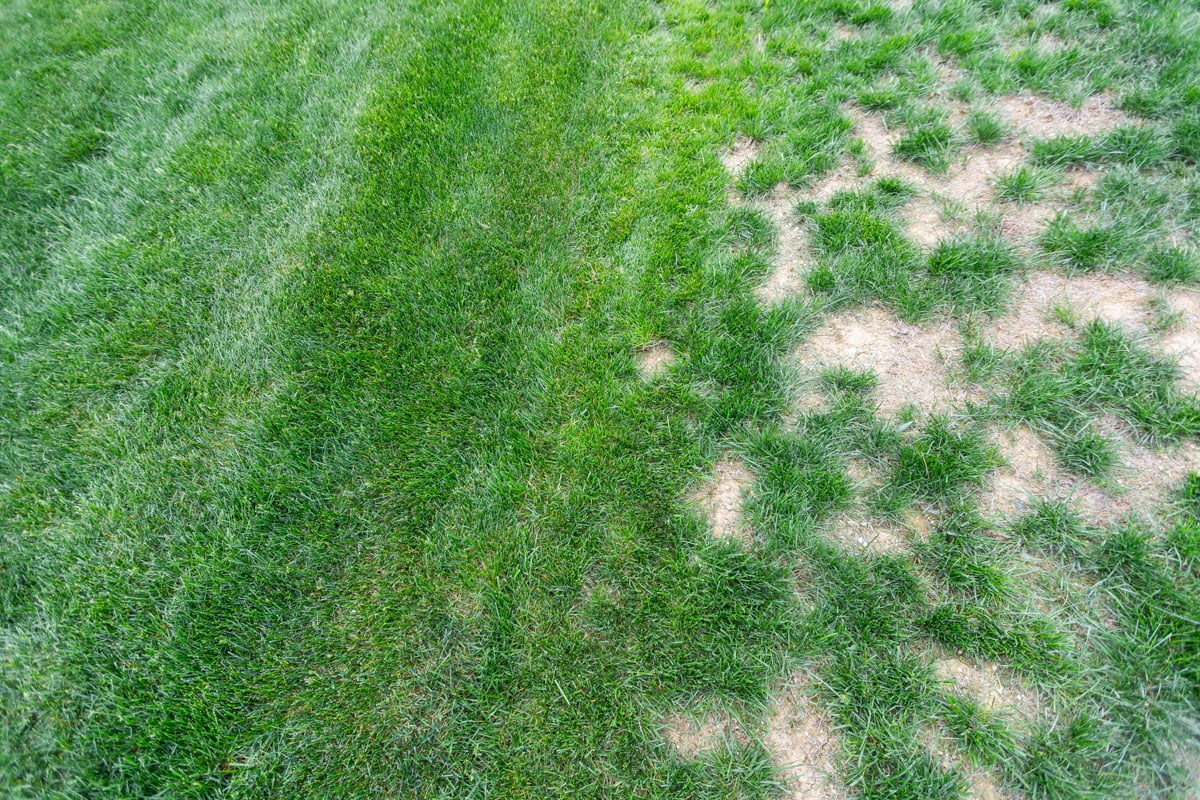
Yellow nutsedge can thrive in wet or poorly drained areas, especially after heavy rain or an overwatering irrigation system. These are spots where healthy turf is going to struggle.
However, we’ve absolutely seen nutsedge adapt to dry conditions, too, so you almost can’t win. It’s one of those weeds that is going to just keep persisting no matter what. You might think of it as the cockroach of lawn weeds - it just keeps surviving.
How to Control Nutsedge in Lawn
You want to know how to get rid of nutsedge so you can get back to enjoying your lawn. The best way to control this weed is with specially formulated nutsedge herbicide that is designed specifically for this purpose.
Given the aggressive way in which this weed grows, you’ll need repeated applications to keep it down. Nutsedge will also return year after year so it’s something to stay on top of over time.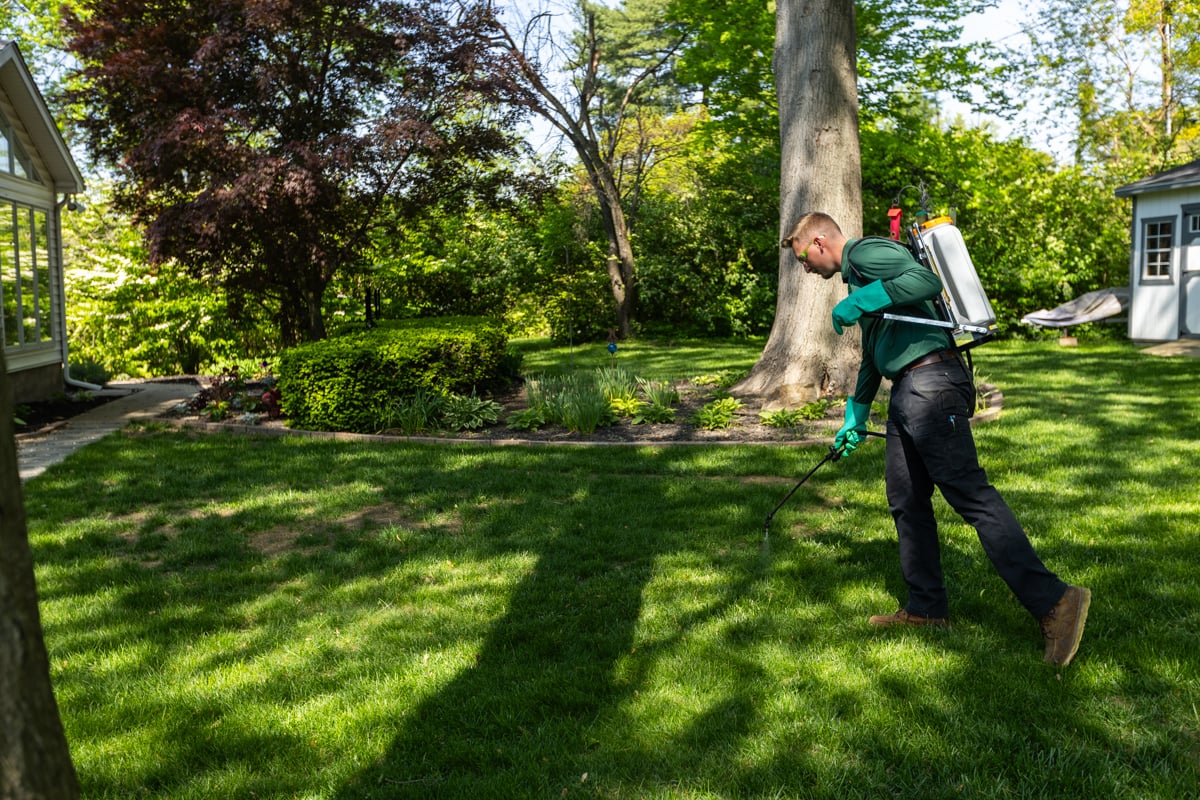
Correcting the conditions of your lawn can also play a secondary, but just as important, role. As we mentioned, nutsedge does tend to thrive in overly wet conditions so if you are overwatering your lawn, have an irrigation leak, or have compacted soil that isn’t draining well, you’ll want to correct these issues.
But that alone is likely not enough to stop this weed. Nutsedge tends to be an invader that finds a way, so effective nutsedge control definitely boils down to specialty herbicide use.
Though you can buy this product on your own, we want to be transparent that it is expensive. You’re likely in better shape working with a lawn care professional who is purchasing it in bulk and integrating it into their weed control program.
That also eliminates the hassle of having to treat nutsedge yourself.
One of the biggest benefits of working with a professional lawn care provider is that you don’t have to worry about these concerns as your lawn care company has you covered!
FAQs About Nutsedge Weed
Before we wrap up this article, let’s make sure we’ve answered some of the most commonly asked questions we get about nutsedge.
What is the quickest way to identify nutsedge?
Remember: “sedges have edges.” Pull a blade of what is growing in your lawn and examine it closely. If it is triangular, with edges, it’s probably nutsedge. This weed is also brighter in color and will grow taller than the rest of your lawn.
Why does nutsedge grow so much faster than my grass?
Nutsedge is biologically built to outcompete healthy turfgrass, growing as much as 3 to 5 times faster. A big reason for this is due to its underground nutlets which store energy and keep pushing new growth.
Can I get rid of nutsedge on my own?
Yes, you can buy nutsedge herbicide and treat your lawn yourself…but do you really want to spend your weekends trying to keep up with this weed? One of the biggest benefits of hiring professional lawn care is taking the burden off your shoulders.
How long does it take to fully control a nutsedge problem?
It can take several years to really get a nutsedge problem under control, so patience is key. It’s an incredibly persistent and aggressive weed that requires repeated controls over time.
What is the most effective treatment for nutsedge?
Nutsedge requires a specialty control that is specifically formulated to attack it. This is due to it being part of the sedge family and the way in which it survives underground. Ordinary weed control products won’t do anything to nutsedge.
When to Call in the Pros
Whether it’s weed control or any other lawn care concern, you shouldn’t have to figure all of this out on your own.
One of the key benefits of choosing professional lawn care in Lafayette and nearby areas is that you’ll have an expert on your property helping you make decisions. At Shades of Green, we also provide services in Carmel, Noblesville, Westfield, and Zionsville.
Ultimately, so much of this boils down to finding a lawn care program that will give you peace of mind. At the end of the day, you want to know that your lawn care needs are being taken care of without the worries and burdens on your plate. If a weed like nutsedge pops up, you want to know that you’ll be taken care of.
That’s exactly why we’re here!
At Shades of Green, you can count on us to provide helpful advice and recommendations while also supporting your lawn with the treatments it needs. That means more time enjoying your lawn and less time stressing about it.
Ready to get your lawn on track this season? Get started by filling out our contact form for your quote.
Image Sources: yellow nutsedge, nutsedge weed
Envision a Brighter Future for Your Lawn

About Cory Overman

Cory is the heart and soul of Shades of Green. His dedication to doing right for our customers has been the driving force behind the company's success. With a degree in Turf Science from Purdue University, Cory continually strives to craft the best treatment plans using the latest technologies and innovative products, ensuring top-notch results for every client.